
Kernia
Kernia
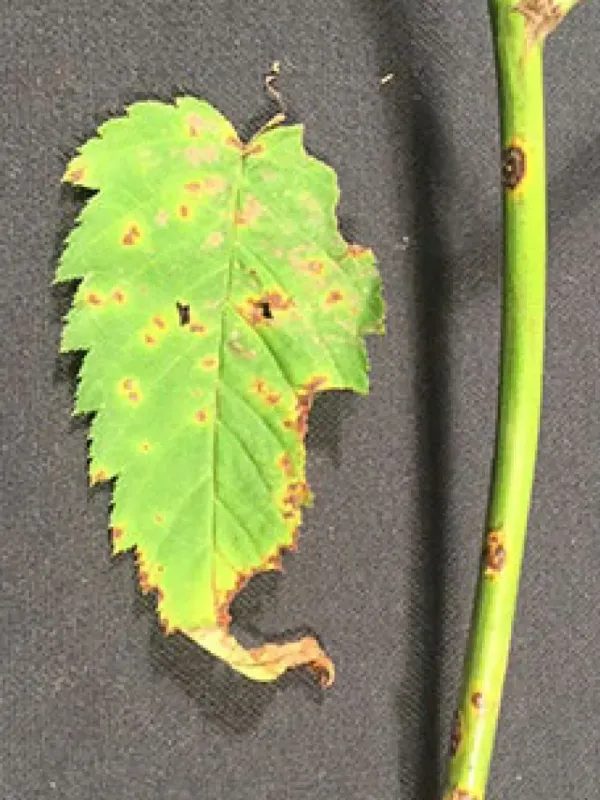
Description
Pathogen
Kernia is a genus of ascomycete fungi belonging to the order Microascales. These microscopic organisms are frequently identified as saprotrophs found in soil, on decomposing plant materials, or within specific ecological niches. While many species within this genus exhibit a saprophytic lifestyle, their prevalence in agricultural ecosystems is often associated with the decline and weakening of crop plants.
Biologically, these fungi develop fruit bodies known as cleistothecia, which serve to protect their spores from harsh environmental conditions. Spores are actively dispersed by air currents, soil-dwelling microorganisms, or water. Research into their life cycle demonstrates their ability to rapidly colonize organic substrates that are rich in cellulose and other carbohydrates.
In a phytopathological context, these fungi are classified as opportunistic pathogens. They rarely function as aggressive primary invaders of healthy plants; instead, they tend to target weakened tissues, infiltrating the root system or damaged stem areas. They are frequently detected in complexes alongside other soil-borne pathogens.
The fungus's growth is inherently tied to moisture levels in its habitat. The pathogen's mycelium is capable of penetrating deep into host plant tissues, utilizing complex enzymatic systems to degrade cell walls. In laboratory settings, Kernia species are cultured on specialized media to facilitate detailed investigations into their morphology and physiological characteristics.
Modern agronomic research categorizes the impact of these fungi as a contributing factor to the progression of root rots. Accurate systematic classification is essential for identifying these pathogens, which are often responsible for latent diseases in agricultural crops caused by compromised cultivation practices.
Conditions for development
The development and proliferation of Kernia species are directly dependent on soil moisture levels and the presence of unharvested crop residues. The fungus thrives in moderate temperature ranges characteristic of spring and autumn seasons, provided the soil maintains adequate moisture capacity.
A critical factor for growth is poor soil aeration resulting from compaction. Water stagnation within the rhizosphere creates an ideal microclimate for spore germination and mycelial expansion. Furthermore, the pathogen prefers soils with a neutral or slightly acidic pH that are rich in fresh organic matter.
Spore dispersal occurs primarily via infected seeds, contaminated soil adhering to agricultural machinery, or the movement of soil particles through irrigation water or rainfall. In the absence of a host, the fungus can survive in the soil for extended periods in the form of dormant cleistothecia.
Improper crop rotation and the premature return of susceptible host plants to the same field contribute to the accumulation of inoculum within the soil profile. Agronomic errors that induce plant stress—such as drought, over-irrigation, or nutrient deficiencies—drastically increase the susceptibility of crops to this pathogen.
High infection pressure is frequently recorded in farming operations where conservation tillage is practiced without deep incorporation of crop residues. Under such conditions, Kernia fungi retain their viability for many years, waiting for favorable environmental cues to initiate an infection cycle.
Why it matters
The primary economic harm caused by Kernia involves the suppression of growth and overall development in crops, leading to significant yield losses. Widespread infection often results in reduced seed germination energy and thin, sparse stands, which may necessitate costly replanting across affected acreage.
The pathogen infects the root system, causing decay and vascular necrosis. Consequently, the plant loses its efficiency in absorbing water and essential mineral nutrients from the soil. This leads to premature wilting, leaf chlorosis, and a general stagnation in the growth of the entire organism.
Chronic infestation weakens the plant's immune response, rendering it more vulnerable to secondary infections from other pathogens such as Fusarium, Helminthosporium, and various bacteria. Pests are also more likely to colonize tissues already weakened by fungal activity, cumulatively reducing both the market value and quality of the harvest.
- Decreased seed viability and germination rates.
- Necrosis and rot of the root crown and main roots.
- Overall retardation of vegetative growth phases.
- Lower quality and nutrient content of the final product.
- Increased post-harvest losses due to latent infection.
In severe instances, particularly under favorable environmental conditions for the fungus, total crop failure may occur in low-lying, water-logged areas of the field. This presents a substantial economic burden to growers, requiring significant additional expenditure for soil fertility restoration and the improvement of phytosanitary conditions.
Protection
Effective management of Kernia relies on a holistic approach that integrates agronomic, biological, and chemical control measures. The priority is to implement a diverse crop rotation strategy that breaks the pathogen's life cycle by alternating non-host species within the soil.
Deep plowing with moldboard inversion allows for the burial of crop residues to depths where rapid decomposition by other soil microorganisms denies the fungus its primary nutritional substrate. Additionally, monitoring mineral nutrition is vital, as excessive nitrogen coupled with potassium and phosphorus deficiencies often results in fragile tissue structures that are highly prone to fungal infection.
To prevent the spread of infection through contaminated seeds, it is essential to treat all planting material with high-quality systemic fungicides. The application of broad-spectrum seed dressings provides a protective barrier around the seedling during the most vulnerable early stages of growth.
During the growing season, if initial signs of plant distress appear, timely foliar fungicide applications or the introduction of biological control agents based on Trichoderma species is recommended. These biocontrol agents act as aggressive antagonists to many soil fungi, displacing the pathogen from the rhizosphere.
Prevention strategies also include the mandatory disinfection of agricultural tools and machinery that are transported between fields. Managing soil moisture via improved drainage systems and optimizing irrigation scheduling significantly reduces the risk of pathogen proliferation throughout the entire growing cycle.
Discussion
No discussions yet — be the first.