
Jackrogersella cohaerens
Jackrogersella cohaerens
Description
Symptoms
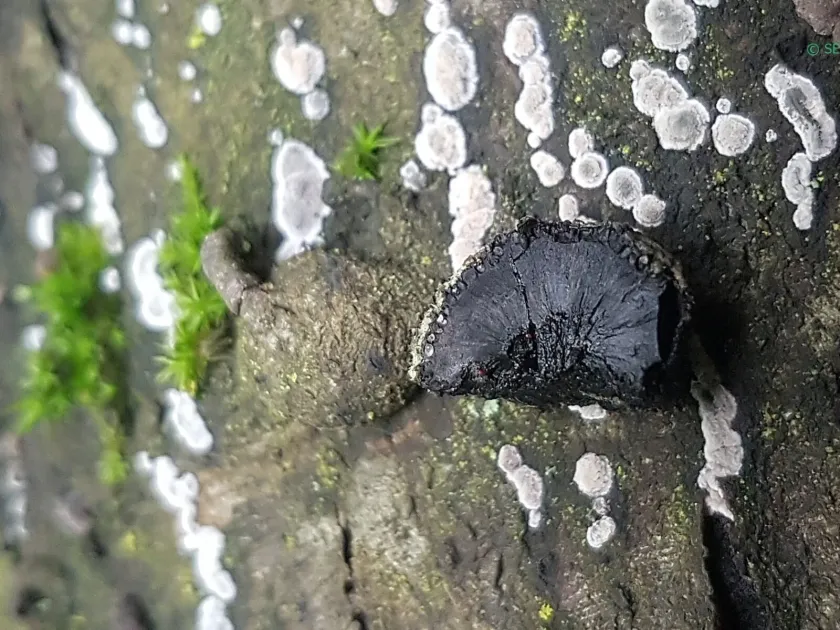
The most visible symptom of an infection is the presence of small, coal-black, crust-like stromata that erupt through the bark surface, often grouped in clusters.
As the fungal colonies mature, these stromata may merge, forming a distinct black, charred-looking layer on the surface of the branches or the main trunk of the tree.
The bark surrounding these structures often shows signs of cracking, peeling, or necrosis. Upon closer inspection, the wood underneath the bark may appear discolored or soft due to the ongoing decay.
Affected trees often show symptoms of canopy dieback. Leaves on the infected branches may wither, turn yellow prematurely, and drop off while the branch itself becomes brittle.
In advanced stages of the disease, the infected wood loses its structural integrity. The visual contrast between healthy bark and the rough, black fungal growths is a key diagnostic feature.
Pathogen
The causal agent of this disease is the ascomycete fungus Jackrogersella cohaerens, formerly classified as Hypoxylon cohaerens. It is primarily known as a saprotrophic fungus that colonizes wood.
The fungus develops mycelium deep within the woody tissues, causing white rot. It breaks down lignin and cellulose, which are essential components of the wood structure in deciduous trees, particularly beech.
Its life cycle involves the production of stromata—hard, black, cushion-like structures that erupt through the bark of the host. These stromata house the perithecia where the ascospores are generated.
While often acting as a decomposer, Jackrogersella cohaerens can colonize stressed or weakened trees. Its ability to spread spores effectively makes it a common inhabitant of decaying branches.
The fungus is highly adapted to temperate climates, allowing it to survive within the wood substrate through winter and resume its reproductive activity once environmental conditions become favorable.
Conditions for development
The development of Jackrogersella cohaerens is strongly influenced by moisture levels. High humidity and rainfall are essential for the spores to germinate on the bark surface.
Infection often initiates at sites of mechanical injury, such as frost cracks, wind-damaged limbs, or poorly executed pruning wounds that leave the wood exposed.
Tree health plays a major role; trees weakened by prolonged drought, root competition, or nutrient deficiencies are significantly more susceptible to colonization by the fungus.
Poor airflow within the tree crown creates a microclimate with stagnant, moist air, which facilitates the successful attachment and growth of fungal spores on the bark.
The fungus thrives in moderate temperature ranges, typically between 15°C and 25°C, which allows for optimal metabolic activity and rapid spread of the mycelium throughout the host wood.
Why it matters
The primary damage caused by this fungus is the structural deterioration of wood known as white rot. This reduces the mechanical strength of the branches, leading to a high risk of breakage.
By disrupting the vascular tissues of the tree, the fungus impedes the transport of water and essential nutrients, causing a slow but steady decline in the tree's health and vitality.
In ornamental and forest settings, the presence of the fungus significantly lowers the aesthetic value and ecological safety of the affected trees, often necessitating removal.
The fungus acts as a source of inoculum for other nearby trees. If left untreated, the accumulation of spores on decaying wood can lead to an epidemic spread across the site.
In extreme cases, the decay can progress to the main trunk, compromising the safety of the entire tree and increasing the probability of wind-throw or total collapse.
Protection
Proactive management focuses on maintaining tree vigor and preventing the conditions that allow the fungus to enter the plant's vascular system.
- Regular pruning of dead or decaying branches to reduce potential substrates.
- Disinfecting pruning tools between cuts to prevent cross-contamination.
- Applying wound sealants or protective paints to large cuts to prevent spore entry.
- Improving soil health and providing adequate irrigation to minimize tree stress.
- Prompt removal and destruction of infected wood materials to lower spore load.
Fungicidal applications, particularly copper-based treatments applied in early spring, can help protect wounded surfaces and minimize the risk of initial infection.
If the infection has compromised the structural integrity of the main trunk, the entire tree must be removed and the debris disposed of properly to ensure site safety.
Discussion
No discussions yet — be the first.