
Ischnoderma
Ischnoderma
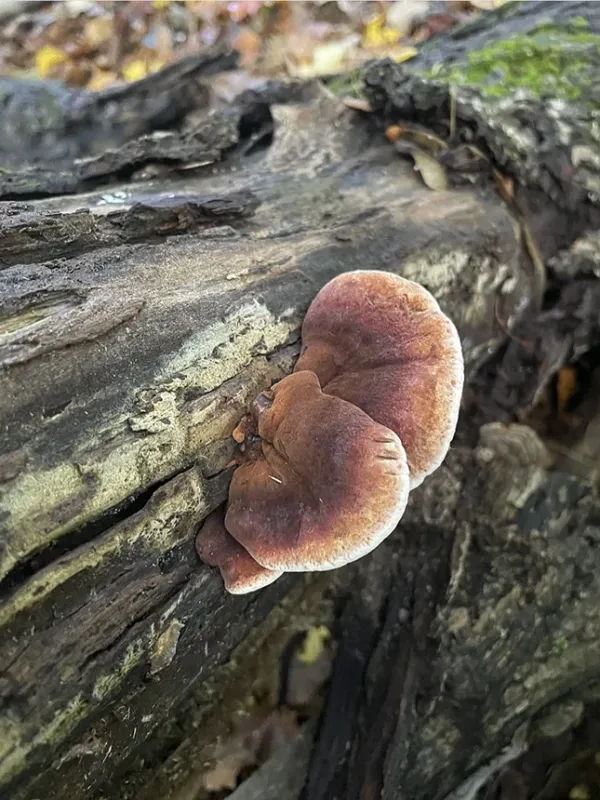
Description
Symptoms
The primary symptom is the emergence of fruiting bodies (conks) on the surface of the trunk or stump. These often have a characteristic shelf-like or fan-shaped appearance.
Young fruiting bodies may exude droplets of resinous liquid, a unique trait that often serves as a key identifying feature for this specific fungal genus.
Wood decay symptoms include a distinct change in the texture and color of the internal timber, which becomes brittle, soft, and crumbly.
Visible decline in the tree's overall vigor, including premature leaf drop and the dieback of upper canopy branches, is a frequent sign of severe internal damage.
Deep cracks or hollows forming in the trunk area often indicate advanced stages of decay, where the internal structural support of the tree has been compromised.
Pathogen
The causative agent of the disease is a fungus from the genus Ischnoderma, with Ischnoderma resinosum being the most prominent species. These are wood-destroying basidiomycetes belonging to the polypore group.
The disease is classified as a white or brown rot, which affects the structural integrity of the wood. The fungus enters the tree through wounds, broken branches, or frost cracks.
The mycelium colonizes the heartwood, secreting enzymes that break down lignin and cellulose, which are essential for the mechanical strength of the tree.
The life cycle involves the formation of fruiting bodies that emerge from the bark, releasing large quantities of spores that are easily disseminated by wind.
Once established, the fungal infection often progresses internally for several years before external signs of the disease become apparent to an observer.
Conditions for development
Development of the fungus is favored by high humidity and cool to moderate temperatures, which are ideal for the growth of its mycelium.
Over-mature or stressed trees with reduced natural defenses are more susceptible to colonization by Ischnoderma spores.
Inadequate sanitation in forested areas or orchards, such as leaving debris and fallen wood, provides a constant environment for the pathogen to thrive.
Dense plantings that restrict airflow increase the local humidity, creating an environment that promotes the germination of fungal spores on bark wounds.
The presence of open wounds, either from natural causes or human activity, significantly accelerates the infection rate and fungal entry.
Why it matters
The most severe impact is the creation of internal heartwood rot, which renders the timber commercially worthless and compromises the tree's health.
Trees affected by this rot become prone to windthrow, posing significant safety hazards in parks, residential areas, and near property.
The disease causes a gradual loss of ecological value in forests as infected trees decline and eventually die from structural failure.
Economic losses are significant due to the need for costly removal of hazardous trees and the loss of long-term timber resources.
As a persistent pathogen, the fungus can survive on stumps and dead logs for many years, acting as a perennial source of infection for surrounding trees.
Protection
Proactive sanitation, including the removal of infected wood and dead trees, is the most effective way to reduce the spore load in the environment.
All pruning wounds or accidental trunk damage should be treated immediately with wound sealants to prevent the entry of fungal spores.
Regular visual inspections are crucial to catch infections early, allowing for potential interventions before structural stability is lost.
Maintaining tree vigor through proper irrigation and nutrition can help trees better resist colonization by wood-decaying fungi.
Preventing physical damage during lawn care or forest maintenance is essential, as the bark remains the best natural defense against fungal pathogens.
Discussion
No discussions yet — be the first.