
Insolibasidium
Insolibasidium
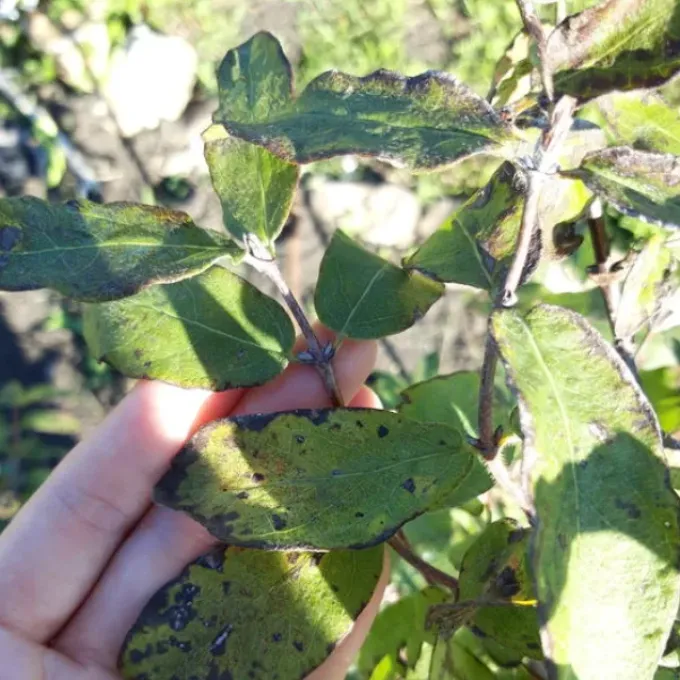
Description
Symptoms
A primary sign of infection is the development of specific necrotic spots and lesions on the bark. These affected areas are often covered by a characteristic pale or creamy fungal film during moist conditions.
Premature drying and dieback of individual branches occur as a result of the fungus disrupting the plant's vascular system, hindering the transport of water and essential nutrients.
When infected bark is cut, one may observe color changes in the underlying wood, which indicates the inward growth of the fungal mycelium and the formation of localized decay pockets.
As the disease progresses, the canopy becomes sparse, and leaves may turn yellow and drop prematurely. In severe cases, the infection spreads to the main trunk, leading to the gradual decline of the entire tree.
Symptoms can range from localized outbreaks on twigs to more diffuse, widespread necrosis, depending on the tree's health and the environmental factors favoring fungal development.
Pathogen
Insolibasidium is a genus of basidiomycetous fungi belonging to the order Platygloeales. This pathogen is a specialized fungus that primarily targets the conductive tissues and bark of various woody plants.
The fungus exhibits a complex life cycle, closely linked to the seasonal physiological activity of its host. Mycelium is the dominant structure, capable of penetrating deep into the parenchyma of the infected plant parts.
The biology of Insolibasidium is significant in forest pathology. The fungus reproduces by producing basidiospores, which are easily dispersed by air currents, facilitating the spread of infection across orchards or woodlands.
Morphologically, fungal colonies often manifest as pale, cushion-like growths on the bark surface, particularly visible during periods of high humidity. It acts as an obligate or facultative parasite.
Research into the genetic diversity of this genus is ongoing, as various strains may display differing degrees of pathogenicity depending on host species and the climatic conditions of the habitat.
Conditions for development
The development of Insolibasidium is heavily dependent on moisture levels. Prolonged rainfall, fog, and heavy dew during the spring and summer provide ideal conditions for spore germination and growth.
Temperature plays a crucial role in the lifecycle of the pathogen. It thrives in the moderate temperatures typical of early and mid-vegetation periods, while extreme heat often inhibits mycelial expansion.
The presence of mechanical wounds or pruning cuts provides the primary entry points for the fungus. Insects that damage bark can also create favorable conditions for infection.
Dense planting schemes that restrict airflow through the canopy create a microclimate with high humidity, which significantly increases the risk of infection and disease spread.
The pathogen can persist in plant debris and dormant bark crevices, allowing it to survive the winter and re-emerge as a source of infection when favorable conditions return in the following season.
Why it matters
The primary damage caused by Insolibasidium is the gradual exhaustion of the host plant. By damaging conductive tissues, the fungus induces a chronic nutrient and water deficit.
The disease reduces both the commercial value of timber and the aesthetic appeal of ornamental trees. In fruit production, it often leads to reduced yields and inferior fruit quality.
Infection compromises the tree's immune system, making it more susceptible to secondary colonization by bark beetles and other pests, which often accelerates the tree's death.
In forest ecosystems, the pathogen can cause significant thinning of stands, leading to ecological imbalances and requiring costly forest management and sanitation efforts.
Long-term infestation leaves trees highly vulnerable to abiotic stresses, such as drought or severe frost, ultimately reducing the resilience of the entire plant community.
Protection
Preventative measures are the most effective management strategy. This includes practicing good horticultural care, proper irrigation, balanced fertilization, and ensuring appropriate tree spacing for ventilation.
Annual sanitary pruning is essential; all infected, dead, or damaged branches should be removed promptly. It is crucial to disinfect all pruning tools and treat cut surfaces with antifungal agents.
If symptoms are detected, the application of fungicides containing copper or other active compounds may help suppress fungal development and protect the remaining tree structure.
Removing and destroying infected plant debris, such as fallen leaves and bark pieces, is vital to reducing the fungal inoculum load in the soil and surrounding environment for the next season.
Selecting and planting cultivars that exhibit genetic resistance or tolerance to fungal pathogens is the best long-term strategy for minimizing the impact of Insolibasidium in landscape and forest settings.
Discussion
No discussions yet — be the first.