
Inonotus nodulosus
Inonotus nodulosus
Description
Symptoms
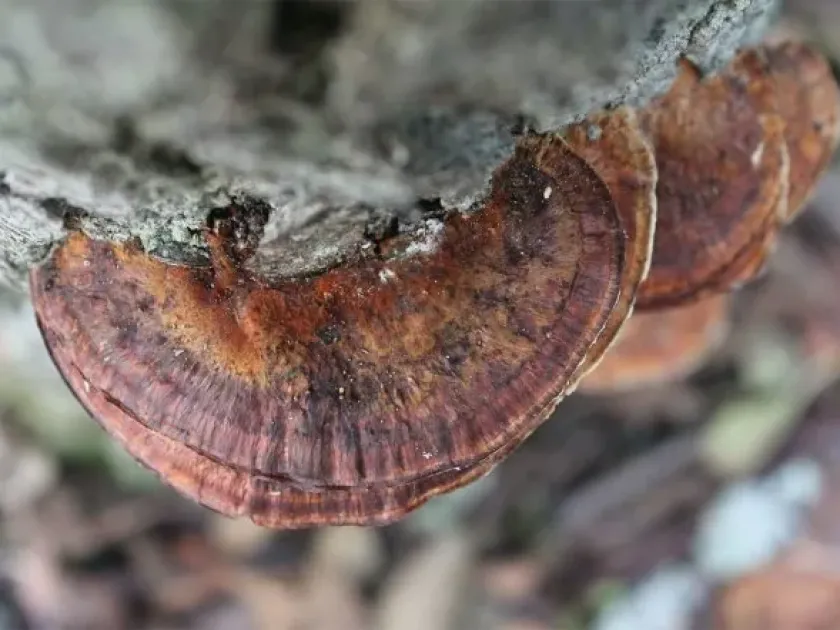
The primary symptom of infection is the emergence of characteristic fungal fruiting bodies on trunks or thick branches. They exhibit a nodular, often imbricate arrangement, which inspired the species' name.
Fruiting bodies typically possess a brown or rusty-brown color and a rigid, almost woody consistency. They often erupt through cracks in the bark or where branches have fallen off.
The interior of the infected wood develops a white fibrous rot. In advanced stages, the trunk structure becomes brittle, loose, and easily crumbles under mechanical stress.
Trees infected with Inonotus nodulosus often display signs of general decline: premature yellowing of foliage, crown dieback, and a reduction in annual shoot growth.
Where fruiting bodies emerge, the bark often swells, cracks, and peels away, exposing the wood degraded by the fungus, which serves as a clear indicator of a deep-seated infection.
Pathogen
The causative agent of the disease is the wood-destroying fungus Inonotus nodulosus, which belongs to the Basidiomycota division. It acts primarily as a saprotroph that often transitions to parasitism on weakened tree species.
The fungus develops mainly within the wood of trunks and branches, causing an intensive breakdown process of lignin and cellulose. Its biological cycle is closely linked to the presence of wounds and bark damage on the host tree.
The fungal mycelium penetrates deeply into the wood structure, gradually filling intercellular spaces and forming specific mats. This leads to a progressive loss of mechanical strength in the tree tissues.
The reproduction of the pathogen occurs via spores, which are disseminated by wind or wood-boring insects. Upon landing on fresh wounds on the tree, the spores germinate, initiating a new infection cycle.
The biology of this species is characterized by high aggressiveness in conditions of high humidity, which allows the fungus to rapidly colonize new areas of infected wood.
Conditions for development
The development of Inonotus nodulosus is favored by conditions of high air and soil humidity. The fungus progresses most actively in dense stands where air circulation is poor.
A significant factor in its spread is mechanical damage to trees. Frost cracks, sunscald, branch breakage, or the activity of trunk pests create entry points for the infection.
Stands experiencing physiological stress due to drought or environmental pollution are much more susceptible to fungal attack than healthy specimens.
Optimal temperatures for active mycelial growth fall within moderate ranges, making the spring and autumn periods the most favorable for spore production.
The presence of significant quantities of standing deadwood and decaying timber in the forest creates a permanent reservoir of infection that facilitates the rapid spread to neighboring weakened trees.
Why it matters
Inonotus nodulosus poses a serious threat to forestry by causing significant loss of commercial timber. Affected sections of the trunk completely lose their structural integrity.
Infected trees become extremely hazardous in terms of windthrow and snow breakage. The brittle core of the trunk cannot withstand physical loads, leading to sudden tree failure.
Fungal infection leads to a decrease in overall stand productivity and a decline in timber quality, rendering the wood unsuitable for industrial construction purposes.
In urban settings, trees infected with this fungus pose a danger to public safety and infrastructure due to the risk of sudden failure of large branches or entire trunks.
Prolonged disease development inevitably leads to the total death of the tree, necessitating labor-intensive sanitary felling and proper disposal of the woody debris.
Protection
The primary preventive measure is maintaining a high level of sanitary hygiene in forest stands. Timely removal of deadwood and severely weakened trees reduces the infection load.
It is essential to avoid causing mechanical damage to trunks during forestry operations. Any wounds on valuable specimens should be treated with protective wound dressings or fungicides.
Regular monitoring of forest health allows for the identification of infected trees at early stages, before active sporulation and widespread dissemination of the fungus occur.
In decorative gardens and parks, it is recommended to prune damaged branches exclusively during dry weather to prevent spore germination on fresh cuts.
- Implementation of sanitary logging.
- Protection of bark from physical damage.
- Removal and destruction of infected plant parts.
- Sanitary treatment of bark injuries.
Discussion
No discussions yet — be the first.