
Inonotus
Inonotus
Description
Symptoms
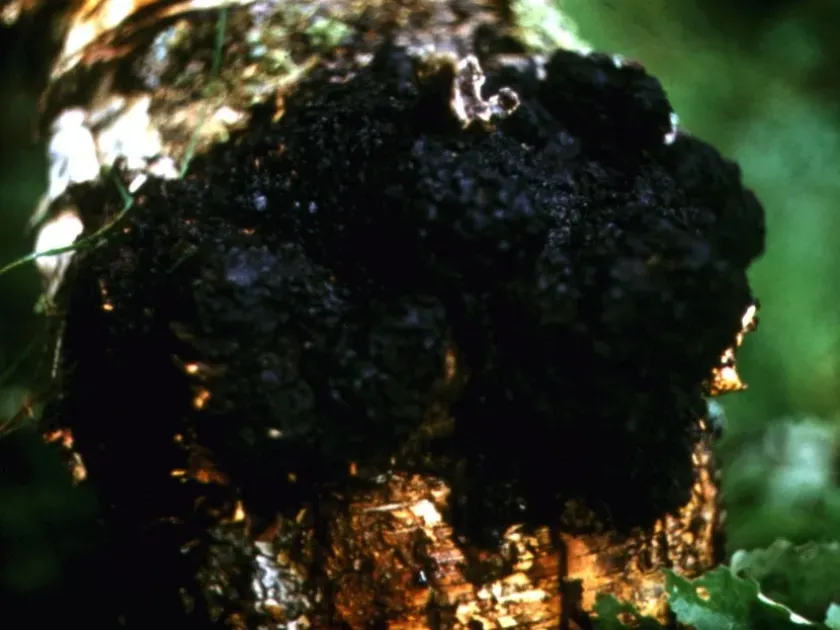
The most visible sign of an Inonotus infection is the emergence of perennial, woody fruiting bodies on the trunk or large branches.
Affected trees often exhibit internal heart rot, where the core of the wood turns brown and brittle, leading to a loss of structural strength.
Foliage symptoms may include thinning of the canopy, premature yellowing, or dieback of twigs and smaller branches during the growing season.
Deep cracks or vertical fissures on the bark often develop in areas where the fungus has significantly weakened the underlying wood.
- Presence of woody, bracket-like conks on the bark.
- Visible brown heart rot in the center of the trunk.
- Reduced crown density and twig dieback.
- Formation of hollows where the fungus has decayed the wood.
- Increased brittleness of the tree structure.
Pathogen
The genus Inonotus includes various species of parasitic and saprotrophic fungi that cause severe decay in both deciduous and coniferous trees.
These fungi belong to the order Hymenochaetales and are known for producing specialized enzymes that break down lignin and cellulose within wood.
The infection process typically begins when spores land on fresh wounds or damaged bark, where they germinate to form mycelial structures.
Inside the host, the pathogen develops a network of hyphae, progressively degrading the structural integrity of the tree trunk.
As a specialized wood-decay agent, the fungus can survive for years, eventually emerging through the bark to produce reproductive structures called conks.
Conditions for development
Spore dispersal of Inonotus is primarily facilitated by wind and water, which carry spores to vulnerable areas of susceptible trees.
High humidity and moderate temperatures provide optimal conditions for the spores to germinate and colonize the inner tissues of the host.
Mechanical injuries, such as broken branches or frost-induced cracks, serve as the primary entry points for the fungal pathogens.
Dense stands of older trees with low vigor are generally more susceptible to widespread outbreaks of wood-decay fungi.
Environmental stress factors like drought or site disturbances can weaken a tree's natural defenses, making it easier for the fungus to take hold.
Why it matters
The primary damage caused by these fungi is the significant reduction in the mechanical strength of the tree, creating high risks of windthrow and breakage.
Forestry operations suffer economic losses due to the degradation of timber quality, as the decay makes the wood unusable for commercial purposes.
In urban environments, infected trees pose significant safety hazards, as large branches or the entire trunk may fail without warning.
Chronic infections often result in a gradual decline in the tree's overall health, leading to decreased growth rates and eventual premature mortality.
In addition, these fungi create entry points for secondary pests and pathogens, further accelerating the degradation of the affected trees.
Protection
Sanitation practices, such as removing infected trees or diseased branches, are critical to reducing the spore load within the environment.
Protecting trees from mechanical damage during landscaping or forestry maintenance is essential to preventing new infection sites.
Applying protective wound dressings to large cuts or broken limbs can help shield exposed wood from fungal colonization.
Promoting overall tree vigor through proper irrigation and soil management improves the tree's natural ability to compartmentalize decay.
Regular inspections by certified arborists allow for early detection, enabling management decisions to mitigate risks before structural failure occurs.
Discussion
No discussions yet — be the first.