
Hypomyces tremellicola
Hypomyces tremellicola
Description
Symptoms
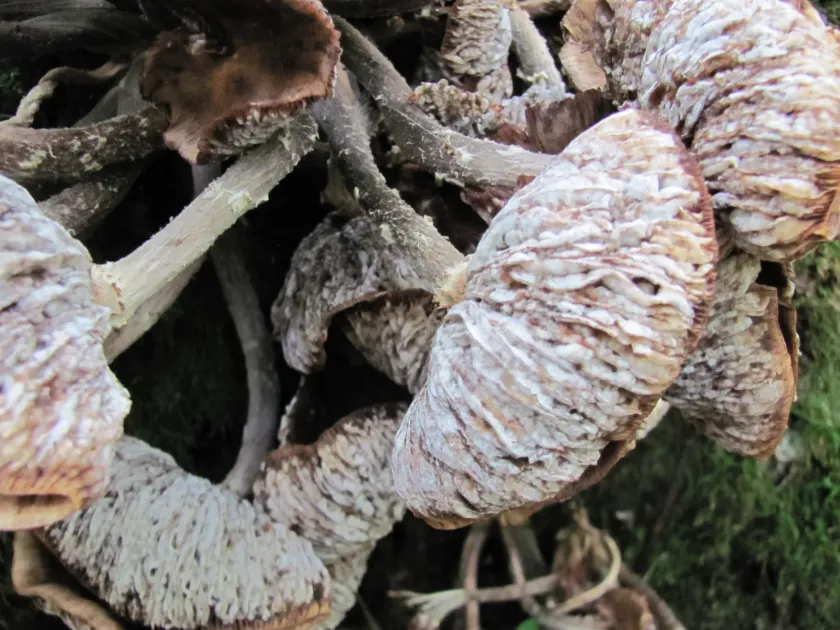
Signs of infection by Hypomyces tremellicola include visible malformations of the host's fruiting body. The fungus causes the host to develop irregular shapes, bumps, or swellings that are unnatural for the species.
A distinctive coating or a dusting of minute, colored perithecia often appears on the surface of the host. The color may shift to shades of yellow, ochre, or white depending on the infection stage.
The host tissue loses its structural integrity, often becoming brittle or unusually mucilaginous. The infection effectively halts the growth and maturation process of the affected fruiting body.
Microscopic examination shows the penetration of the host's hyphae by the parasite's filaments. This physical intervention causes the collapse of the host's reproductive organs.
In later stages, the entire fruiting body may shrink and dry out, appearing as a withered, hardened mass rather than a healthy, fully developed mushroom.
Pathogen
Hypomyces tremellicola is a specialized mycophilic ascomycete fungus belonging to the class Sordariomycetes. It survives by parasitizing other fungi, specifically targeting members of the genus Tremella.
The fungus develops its mycelium deep within the tissues of the host, systematically extracting nutrients and disrupting the host's normal biological functions. This parasitic relationship is highly evolved and effective.
Its life cycle involves the production of conidia for rapid dispersal and the formation of perithecia, which are small, flask-shaped fruiting bodies that appear on the surface of the infected mushroom.
The specificity of Hypomyces tremellicola to its host makes it a classic example of an obligate mycophilic parasite. The pathogen inhibits the host's spore formation by colonizing the hymenial layer.
Understanding the biology of this fungus is essential for mycologists and specialists in mushroom production, as it provides insights into the complex ecological interactions between fungal species.
Conditions for development
High humidity and consistent moisture are the primary environmental requirements for the development of Hypomyces tremellicola. It thrives in damp, shaded environments where water remains on surfaces for extended periods.
Moderate temperatures are ideal for its metabolic activity and spread. The fungus can persist in a dormant state during less favorable conditions, but will reactivate once moisture returns.
The spread of the parasite is facilitated by contact between an infected mushroom and a healthy one. High density of mushrooms in a given area drastically increases the transmission rate.
Free water on the mushroom surface acts as a catalyst for spore germination. Insects visiting the mushrooms may also carry the spores from one host to another, accelerating the infection spread.
Proper airflow is inversely correlated with the pathogen's success; stagnant, humid air creates a perfect environment for the fungus to establish its hold on the host.
Why it matters
The damage caused by this parasite is primarily related to the destruction of the host's reproductive cycle, leading to the reduction of natural mushroom populations in specific forest areas.
In commercial mushroom cultivation, Hypomyces tremellicola poses a severe economic threat. It renders the entire crop unsalable due to physical degradation and the presence of fungal growth.
The colonization by the parasite invites secondary contamination from bacteria and common molds, which accelerates the rotting of the substrate and the surrounding environment.
Chronic infestation of the substrate can lead to the exhaustion of the fungal colony, reducing the yield capacity for future harvests or seasons.
Additionally, the parasite may produce metabolites that alter the nutritional and chemical profile of the host, potentially making it unsafe for human consumption.
Protection
Strict sanitation protocols are the most effective way to prevent outbreaks. Infected mushrooms must be removed immediately and disposed of away from the growing area to avoid spore dispersal.
Managing the microclimate by reducing air and substrate moisture is critical. Keeping the growing area dry and well-ventilated prevents the pathogen from thriving.
Enhancing air circulation helps to quickly dry out the surfaces of the fruiting bodies, effectively inhibiting the germination of spores and the development of the parasite's mycelium.
Regular disinfection of all tools, equipment, and surfaces in the cultivation area is mandatory to prevent the transmission of inoculum between batches.
Using disease-free spawn and maintaining optimal hygiene practices throughout the entire production cycle are essential strategies to keep the pathogen in check.
Discussion
No discussions yet — be the first.