
Hypocreopsis rhododendri
Hypocreopsis rhododendri
Description
Symptoms
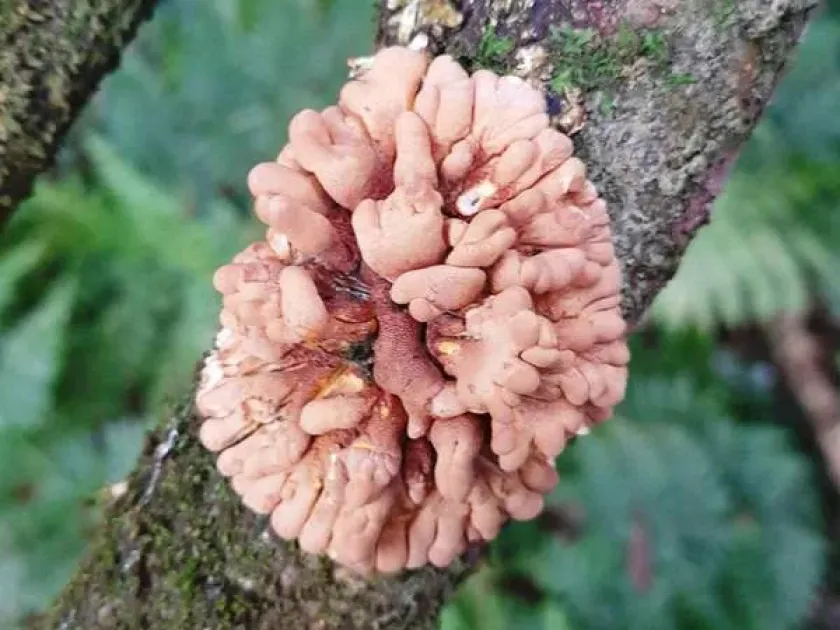
The primary symptom of infection is the presence of irregular, coral-like, or lobed fungal growths on the stems or branches. These growths are the visual manifestation of the pathogen's fruiting bodies.
The color of these structures ranges from pale beige to deep brown, depending on their maturity and the moisture content of the environment. They are typically found firmly attached to the bark surface.
As the infection progresses, the bark in the affected area becomes brittle, discolored, and eventually starts to peel away or die. This creates visible lesions on the wood surface.
Affected branches often show signs of foliage yellowing and wilting, as the fungus disrupts the vascular integrity of the plant, preventing essential fluids from reaching the leaves.
Advanced stages of the disease lead to the death of the colonized branches, which can be easily identified by the presence of dry, decaying wood and the characteristic fungal formations.
Pathogen
The pathogen Hypocreopsis rhododendri is an ascomycete fungus known for its parasitic lifestyle on the bark and woody parts of specific host plants. It is highly specialized and thrives in specific ecological niches.
The fungus develops by colonizing the outer layers of the bark, where it forms distinct fruiting bodies. These structures are essential for the production and dispersal of spores, allowing the disease to spread.
Inside the host plant, the fungal mycelium penetrates the bark tissues and the underlying wood layers. This process interferes with the transport of nutrients and water, impacting the plant's overall health.
Research into this fungus highlights its role in forest ecosystems and its occasional impact on managed horticultural landscapes, where it is often associated with high-humidity environments.
The biology of Hypocreopsis rhododendri makes it a persistent pathogen, as it can remain active within the bark tissue whenever environmental conditions are favorable for growth.
Conditions for development
The development of Hypocreopsis rhododendri is strongly favored by high levels of humidity. Environments characterized by frequent rainfall, fog, or persistent dew provide optimal conditions for spore release.
Shaded areas with poor airflow are particularly vulnerable. In such conditions, the bark remains damp for longer periods, facilitating the establishment of fungal colonies.
Physical injuries to the bark, caused by mechanical tools, animal activity, or insect boring, provide essential entry points for the pathogen to establish itself within the host tissue.
Plants that are already under stress due to poor soil conditions, drought, or inadequate nutrition have weaker natural defense mechanisms, making them more susceptible to this fungal attack.
A closed canopy or dense planting layout prevents the drying of stems after precipitation, maintaining the moisture levels required for the fungus to thrive and spread throughout the garden.
Why it matters
The main harm caused by this fungus is the gradual decay of the bark and cambium, which weakens the plant significantly. This can lead to the decline of entire branches or the whole specimen.
In ornamental plants like rhododendrons, the disease destroys the aesthetic value, as branch dieback ruins the plant's structural shape and seasonal beauty.
The weakened host becomes a target for secondary pests and opportunistic pathogens, accelerating the deterioration process and making recovery more difficult.
If left unmanaged, the fungus can spread to other healthy specimens in the immediate vicinity, especially in nurseries where plants are kept in close proximity with high humidity.
Economic damage is associated with the loss of valuable plant stock, the cost of specialized maintenance, and the labor required for intensive pruning and site sanitation.
Protection
Effective management of Hypocreopsis rhododendri relies on proactive care and the rapid identification of symptomatic branches during regular plant inspections.
Sanitary pruning is the most critical control measure; removing affected parts and destroying them immediately prevents the fungus from producing more spores in the area.
- Improve air circulation by thinning the canopy and ensuring proper spacing between plants.
- Disinfect all pruning tools using alcohol or bleach solutions to prevent cross-contamination.
- Apply wound dressings or protective pastes to fresh cuts to prevent new infections.
- Maintain optimal soil moisture and provide balanced nutrition to strengthen plant immunity.
- Consider the use of systemic fungicides during the growing season if the infection is identified early.
Proper wound management is vital, as exposed wood is a prime target for opportunistic fungi. Sealing large cuts significantly lowers the risk of pathogen entry.
In professional nursery settings, strict quarantine protocols are recommended to ensure that new plants do not introduce the fungus into existing, healthy collections.
Discussion
No discussions yet — be the first.