
Hypholoma
Hypholoma
Description
Symptoms
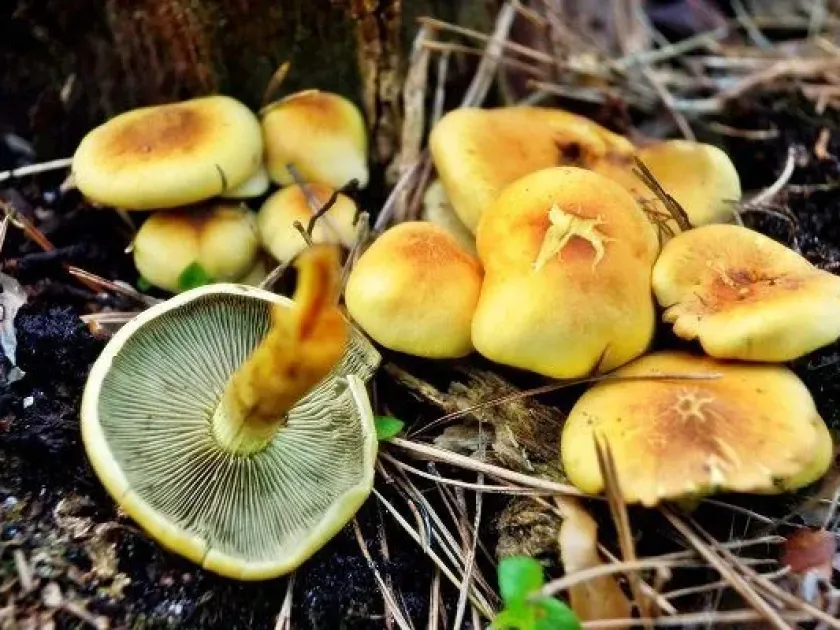
The most evident sign of Hypholoma infection is the emergence of clusters of mushrooms on the bark, at the base of the trunk, or near the main roots of the tree.
Affected wood exhibits signs of white rot; it becomes light-colored, soft, and spongy, eventually losing its ability to support the weight of the tree canopy.
Trees infected with this fungus often show symptoms of decline, including leaf chlorosis, thinning foliage, and the gradual dieback of upper branches.
Under the bark, one might find white, thread-like mycelial cords or rhizomorphs, which indicate the aggressive spread of the fungus throughout the sapwood.
- Clusters of mushrooms with yellowish or brick-red caps.
- Softening and discoloration of the internal wood.
- Reduced vitality and annual growth of the tree.
- Premature leaf drop and branch failure.
Pathogen
Hypholoma is a genus of fungi belonging to the family Strophariaceae. In the context of arboriculture and gardening, these fungi act as wood-decay agents that decompose organic matter within tree trunks.
Common species include Hypholoma lateritium (brick cap) and Hypholoma capnoides, which are frequently found on stumps, fallen logs, and weakened standing trees.
The pathogen functions by secreting enzymes that break down lignin and cellulose, effectively turning solid wood into a soft, fibrous mass known as white rot.
The fungal mycelium spreads through the internal tissue of the tree, often entering through wounds, pruning cuts, or root systems that have been damaged by pests.
While playing a vital role in forest ecosystems by recycling dead wood, their presence in managed orchards is detrimental to the structural health and longevity of fruit trees.
Conditions for development
High humidity and moisture levels are critical factors for the survival and colonization of Hypholoma species on tree surfaces.
Wounds left by improper pruning, frost cracks, or mechanical damage provide direct access for spores to colonize the interior wood of the tree.
Stagnant air and poor ventilation in a garden setting create a microclimate that encourages the growth of fungal mycelia on bark and wood tissues.
Trees that are already stressed due to drought, nutritional deficiencies, or soil-borne pests are significantly more susceptible to successful colonization.
Optimal temperatures for fungal growth range between 15°C and 25°C, making the spring and autumn seasons the most active periods for infection.
Why it matters
The primary damage caused by Hypholoma is the internal degradation of structural wood, leading to the instability of the tree and risk of collapse.
The production of metabolic toxins by the fungus can disrupt the vascular flow of the tree, leading to systemic physiological stress and stunted growth.
Infection is highly transmissible between trees, especially those with touching roots, which can lead to the rapid spread of the disease within an entire orchard.
Once the wood is significantly decayed, the tree cannot recover, often necessitating the removal of the entire specimen to prevent further spread.
Economic loss is significant as the fruit-bearing capacity is severely diminished, and the cost of tree removal and replacement is high.
Protection
Effective prevention involves rigorous tree care, including the immediate disinfection of all pruning wounds with suitable fungicide pastes.
Removing old stumps and decaying wood debris from the garden is essential, as these are the primary reservoirs where the fungus persists and spreads.
Promoting tree health through appropriate fertilization and water management helps maintain a strong immune system capable of resisting minor infections.
Routine inspections for signs of mushroom growth or bark damage allow for early intervention before the fungus reaches the heartwood of the tree.
In cases of severe infestation, affected trees should be professionally removed, and the surrounding soil treated to ensure no remaining mycelium poses a threat.
Discussion
No discussions yet — be the first.