
Hymenochaete carpatica
Hymenochaete carpatica
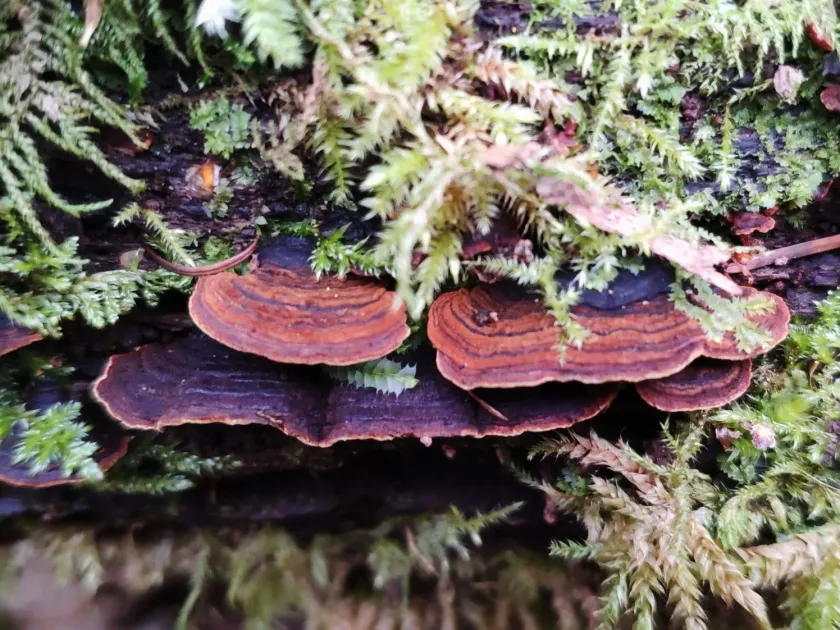
Description
Symptoms
The most visible indicator of Hymenochaete carpatica is the formation of specific fruiting bodies on the tree trunk and branches. These often appear as thin, leathery, crust-like structures colored in shades of grayish-brown or reddish-brown.
Infected bark typically exhibits signs of cracking, drying, and eventual peeling. The tissues beneath the bark often show discoloration, indicating a disruption in the tree's internal transport systems.
Visually, the disease manifests as irregular necrotic patches that may expand over time. As the fungus progresses, the bark loses its elasticity and can be easily detached from the underlying wood.
Unlike some aggressive wood-rotting fungi, this species focuses its early activity on the destruction of the bark's protective layers, which often obscures the diagnosis in the initial phases.
Advanced stages of the infection are characterized by general tree decline, including premature leaf drop, dieback of individual limbs, and reduced annual shoot growth.
Pathogen
Hymenochaete carpatica is a fungal pathogen belonging to the Hymenochaetaceae family. It is a specialized fungus known for colonizing the bark of various hardwood tree species.
The mycelium of the fungus develops primarily within the bark tissue, gradually extending its influence into the inner bark and cambium layers. It produces characteristic fruiting bodies on the surface of the infected areas.
Functioning mainly as a saprotroph or a weak parasite, the fungus takes advantage of weakened trees to establish itself as a primary pathogen. It is classified as a wood-decaying fungus that induces localized necrotic damage.
The life cycle of the pathogen is highly dependent on environmental moisture and the physical integrity of the host's bark. Spores are dispersed by wind and utilize natural cracks or wounds in the bark to initiate colonization.
Development is typically slow, allowing the fungus to persist undetected for significant periods until the appearance of visible fungal structures. It is well-adapted to temperate forest ecosystems and mountain ranges.
Conditions for development
High levels of atmospheric humidity are essential for the germination of spores and the subsequent spread of Hymenochaete carpatica mycelium. Dense, poorly ventilated forest stands are the most susceptible to outbreaks.
Damaged bark serves as the primary entry point for the pathogen. Mechanical injuries, frost cracks, sunscald, and insect-related damage significantly increase the likelihood of successful infection.
Extended periods of rainfall create ideal microclimatic conditions for the fungus. The optimal temperature range for mycelial growth is observed between 15 and 22 degrees Celsius.
Trees growing in nutrient-poor soils or suffering from physiological stress are significantly more prone to colonization. Poor forest management practices often lead to higher inoculum density.
In forest stands, the lower trunk area is most frequently infected due to the prolonged retention of moisture, which supports fungal growth even during drier seasons.
Why it matters
The primary impact of this fungus is the degradation of the bark, which serves as the tree's primary defense against external threats. Its removal exposes the tree to secondary infections, including deep wood rot and wood-boring insects.
Infection interferes with the transport of nutrients through the phloem, leading to systematic physiological stress and potential tree death. This reduces the commercial and ecological value of the wood.
Affected areas lose structural integrity, increasing the tree's vulnerability to windthrow and breakage during severe weather events. It contributes to the accelerated decline of weakened individuals within a forest stand.
Economic losses occur due to diminished growth rates and degraded timber quality. In urban and park settings, infected trees may become hazardous due to the risk of falling branches.
In nurseries, the presence of the pathogen can lead to significant losses of seedlings, causing direct economic damage to forestry and ornamental plant production.
Protection
Maintaining high sanitary standards in forest stands is the most effective preventive measure. Timely sanitation logging and the removal of heavily infected trees help reduce the inoculum pressure.
Protecting trees from mechanical injuries and immediately sealing existing wounds with wound dressing or antiseptic pastes can prevent the fungus from gaining a foothold.
Thinning young stands is a recommended silvicultural practice, as it improves airflow and light penetration, creating unfavorable conditions for fungal development.
For chemical prevention in orchards or ornamental plantings, copper-based fungicides can be applied to the trunks during early spring or autumn to inhibit spore germination.
Regular monitoring of bark conditions allows for the early detection of the pathogen, enabling localized management strategies that are much more effective than addressing an advanced infestation.
Discussion
No discussions yet — be the first.