
Hymenochaete
Hymenochaete
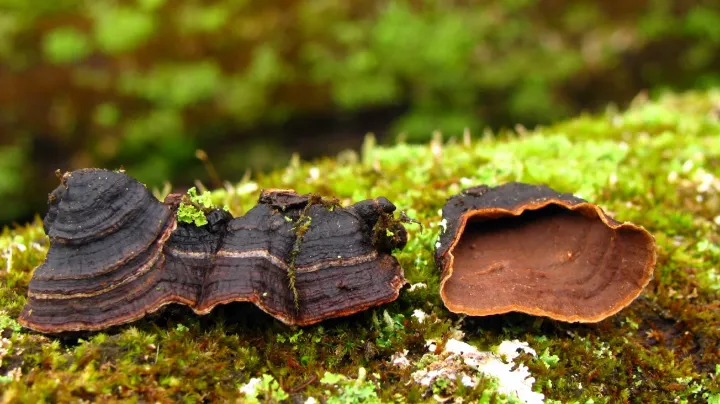
Description
Symptoms
The most visible sign is the presence of leathery, crusty fungal growths on the trunk or large branches, which can persist for several years.
Internally, the wood undergoes discoloration, typically appearing white or yellowish with distinct dark zone lines caused by the fungal mycelium.
As the rot progresses, the wood loses structural integrity and becomes brittle, making the tree susceptible to wind snap or collapse during heavy storms.
Foliage symptoms include yellowing, premature shedding, and the eventual dieback of branches in the upper canopy as the transport of nutrients is disrupted.
Cracks and necrotic patches on the bark may indicate areas where the fungus has entered or where the internal wood is significantly compromised.
Pathogen
Hymenochaete is a genus of fungi within the Hymenochaetaceae family, known as wood-decaying organisms that cause white rot in both deciduous and coniferous trees.
The fungus colonizes the woody tissue of the host plant, usually entering through wounds caused by pruning, breakage, or environmental stress such as frost cracks.
Once inside, the mycelium breaks down lignin and cellulose, which are the main structural components of wood, leading to progressive softening and degradation.
The fruiting bodies are typically crust-like, leathery, and firmly attached to the bark surface. They often have a characteristic brownish or rusty color.
Reproduction occurs through spores released from the fruiting bodies. These spores are dispersed by wind to new locations, ensuring the survival and spread of the fungus.
Conditions for development
High humidity and moderate temperatures provide the most favorable environment for the germination of spores and the vegetative growth of Hymenochaete.
Poor ventilation within the canopy, common in neglected or overly dense orchards, significantly increases the risk of spore settlement and infection.
Trees subjected to mechanical damage or stress are highly vulnerable, as open wounds serve as primary entry points for the fungal pathogen.
A lack of proper maintenance, including infrequent sanitation pruning, allows the fungus to establish itself and build up a significant spore load.
Rainy seasons facilitate the formation of fruiting bodies, leading to peaks in spore dispersal throughout the tree's immediate environment.
Why it matters
Hymenochaete causes severe wood decay that leads to a decline in tree vigor and can eventually cause the death of the entire specimen.
The primary danger lies in the structural weakening of the tree, which poses a safety risk to people and property due to potential branch or tree failure.
Once established in a tree, the fungus is nearly impossible to eliminate, making the infected plant a permanent source of inoculum for the entire garden.
Reduced vascular function impairs the tree's ability to transport water and nutrients, resulting in significantly lower yields for fruit-bearing trees.
In forest and landscaping contexts, the disease can spread to neighboring healthy trees, resulting in the need for widespread removals and economic losses.
Protection
Effective management begins with strict sanitation, including the prompt removal and disposal of any infected limbs or dead wood found in the garden.
All pruning tools must be thoroughly disinfected after contact with infected trees to prevent the accidental transfer of fungal spores to healthy tissue.
Proper wound care, such as sealing larger pruning cuts with appropriate protectants, can prevent the initial colonization of the wood by the fungus.
Maintaining tree health through proper fertilization and irrigation helps the plant develop natural defenses against wood-decaying pathogens.
In cases of severe infection, removing and burning the entire tree is often the only way to prevent the spread of the disease to the surrounding area.
Discussion
No discussions yet — be the first.