
Hydnobolites cerebriformis
Hydnobolites cerebriformis
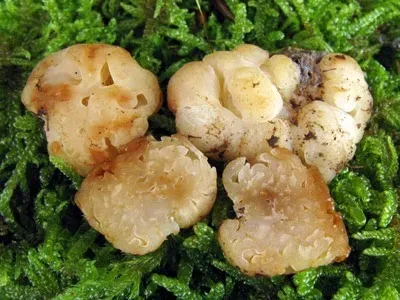
Description
Pathogen
Hydnobolites cerebriformis is a type of ascomycete fungus that primarily resides within the soil profile. While often studied in mycological contexts, in agricultural terms, it acts as a soil-borne agent that can affect the health of cultivated plant root systems.
The pathogen thrives by colonizing the rhizosphere, where it can compete with beneficial microorganisms for nutrients. Its ability to interact with plant roots can lead to weakened plant vigor and altered metabolic processes within the host.
The morphology of the fungus is distinct, characterized by subterranean fruit bodies that possess a convoluted, brain-like surface structure. This unique appearance is a diagnostic feature used to identify the presence of the organism in soil samples.
The life cycle of this fungus involves the production of resistant spores that allow it to persist through harsh winter conditions or prolonged periods of drought. These survival structures ensure its continued presence in the soil seed bank.
Agricultural impact is primarily seen in the reduction of overall soil quality and the physiological stress it imposes on crops. Over time, heavy infestation can lead to significant yield degradation if not managed properly.
Conditions for development
Environmental conditions play a crucial role in the development and propagation of Hydnobolites cerebriformis. High soil moisture content is the most significant factor, as it facilitates the rapid growth of fungal mycelia.
The pathogen prefers well-structured soils that are rich in decomposing organic matter. Consequently, fields with heavy crop residue levels or inadequate soil turnover are more susceptible to high population densities of the fungus.
Temperature fluctuations also influence the activity of the pathogen. Optimal growth is achieved within a temperate range of 15°C to 23°C, which aligns with the peak growing season for many standard agricultural crops.
Soil chemistry, specifically the pH level, affects the establishment of the fungus. Neutral or slightly acidic soils provide the best conditions for mycelial expansion and the formation of mature subterranean fruit bodies.
Transmission of the fungus between fields is often facilitated by farm machinery, flooding events, or the transfer of contaminated soil clinging to plant roots or seedlings during transplanting procedures.
Protection
Effective management requires a multi-faceted approach. Crop rotation is essential to break the infection cycle, particularly by introducing crops that are less susceptible or that possess antagonistic root exudates.
Implementing deep soil cultivation techniques helps disrupt the continuity of fungal networks. Improving soil drainage and aeration also makes the environment less favorable for this moisture-loving organism.
Biological control agents, such as specialized strains of fungi like Trichoderma or Bacillus species, have proven effective in outcompeting the pathogen in the rhizosphere and reducing its survival rate.
Chemical intervention through soil-applied fungicides may be considered in cases of severe infestation. However, these applications should be performed as part of an integrated pest management program to minimize environmental impact.
- Maintain optimal soil moisture levels through improved drainage.
- Utilize green manure crops to enhance soil suppressiveness.
- Monitor root health in symptomatic areas of the field.
- Strictly sanitize agricultural equipment between field operations.
Discussion
No discussions yet — be the first.