
Hydnangium carneum
Hydnangium carneum
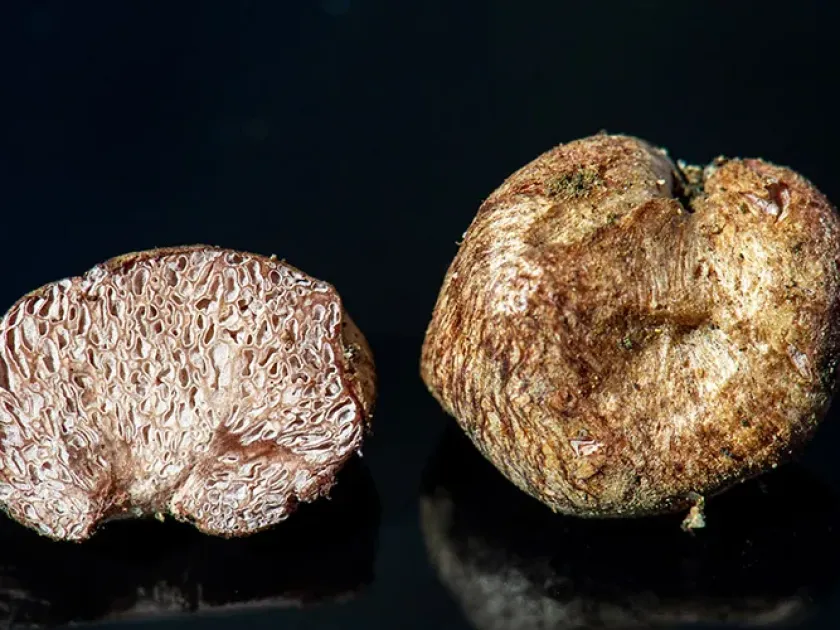
Description
Symptoms
The presence of Hydnangium carneum is primarily marked by the formation of hypogeous (underground) fruiting bodies. These sporocarps are typically flesh-colored or pinkish-brown and are often hidden beneath leaf litter or the top layer of soil.
Identifying this fungus visually is challenging because the fruiting bodies do not emerge above the surface like traditional mushrooms. They are often detected only through manual excavation of the upper soil horizons.
The fungus forms a distinct mantle around the fine roots of host plants, which is a classic indicator of ectomycorrhizal association. These fungal sheaths can be observed under a microscope when examining root systems.
There are no overt symptoms of "disease" on the aerial parts of the host plant. In fact, a healthy, vigorous plant often indicates a successful symbiotic relationship, as the fungus enhances nutrient uptake.
If the fungus is present in high concentrations, one might notice a slightly different soil structure around the roots, as the mycelial mats can bind soil particles together, forming a firm root-soil complex.
Pathogen
The organism is a basidiomycetous fungus belonging to the Hydnangiaceae family. It is an obligate mycorrhizal symbiont, which means it requires a living host to complete its life cycle.
It forms an ectomycorrhiza, a type of symbiosis where fungal hyphae penetrate the root cortex but remain in the intercellular spaces. This creates a large surface area for the exchange of water and minerals for the host's carbohydrates.
The life cycle is strictly dependent on the host tree, most commonly species of Eucalyptus. Without the host, the fungus is unable to produce the complex, fleshy sporocarps that characterize this species.
Dissemination is facilitated by small mammals and soil invertebrates that consume the fruiting bodies. These animals act as vectors, transporting spores to new locations through their digestive tracts.
The genetic makeup of Hydnangium carneum is optimized for survival within the rhizosphere, showing specialized biochemical pathways to interact with the specific exudates of host tree roots.
Conditions for development
This fungus thrives in environments with moderate moisture and high organic matter, typical of forest floors. It requires a stable microclimate, as it is highly sensitive to fluctuations in temperature and desiccation.
Soil pH plays a critical role in its development. It prefers slightly acidic conditions that align with the natural habitats of the host trees, allowing for optimal hyphal colonization of the roots.
Successful sporulation requires periodic moisture, often linked to seasonal rainfall. During prolonged droughts, the fungus may retreat into a dormant mycelial state within the deeper soil layers.
The presence of specific chemical signals, or root exudates, from host trees is essential for spore germination. Without these compounds, the fungus remains inactive in the soil bank.
Oxygen availability within the soil is another limiting factor. Despite being an underground fungus, it requires sufficient pore space to allow for gas exchange, which supports active metabolic rates.
Why it matters
In its native forest ecosystems, Hydnangium carneum is considered beneficial rather than harmful. It contributes to tree health, drought resistance, and overall forest productivity through nutrient cycling.
However, it can be problematic in commercial plant nurseries. If young trees are grown in soil contaminated with this fungus, it might lead to unwanted symbiosis that could hinder specialized growth protocols for certain species.
Over-colonization by mycorrhizal mats can potentially restrict root growth in confined containers, leading to nutrient competition between the fungus and the young, vulnerable plant.
There is no evidence that this fungus acts as a primary pathogen that kills plants. It is a specialized partner, and its "harm" is purely contextual, depending on the nursery's management goals.
Economic damage is limited, usually involving the extra cost of sterilizing soil or managing nursery bed components to ensure consistent growth results across non-symbiotic plant batches.
Protection
Control measures are rarely required given the beneficial nature of the fungus. If necessary, nurseries often use heat sterilization (steam) to treat soil mixes before sowing or planting sensitive stock.
Chemical control using broad-spectrum fungicides is possible but generally discouraged, as it can disrupt the entire soil microbiome and negatively affect the growth of the plants themselves.
Prevention involves strict hygiene in nursery practices, including the use of high-quality, sterile potting media and preventing the introduction of soil from natural forest areas where the fungus is present.
If management is needed, biocontrol agents such as certain bacteria or other fungi that compete for space and nutrients can be introduced to suppress the growth of Hydnangium carneum.
Monitoring for the presence of fruiting bodies during peak growing seasons can help nurseries identify contaminated batches and take corrective actions early in the production cycle.
Discussion
No discussions yet — be the first.