
Hydnangium
Hydnangium
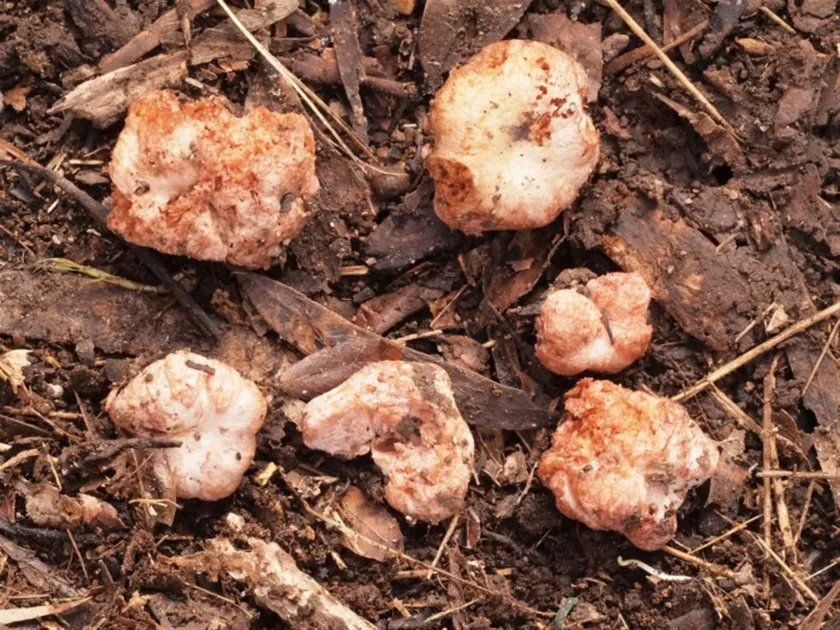
Description
Symptoms
Symptoms often manifest as stunted growth and a general lack of vigor in the infected seedlings compared to non-infected cohorts.
A hallmark sign is the discoloration of the root tips, which may show specific morphological changes due to the fungal colonization of the mycorrhizal structures.
Foliage chlorosis and premature leaf drop are common secondary signs caused by the disruption of nutrient uptake from the soil to the tree's canopy.
During the fruiting phase, small, tuber-like sporocarps may be found partially buried in the leaf litter or topsoil near the base of the infected plant.
Root systems show signs of decay or reduced development, leaving the plant susceptible to secondary opportunistic pathogens that further damage the root architecture.
Pathogen
The disease is caused by the basidiomycetous fungus belonging to the genus Hydnangium, with Hydnangium carneum being a notable representative.
This pathogen acts as a mycorrhizal fungus that forms symbiotic relationships with the roots of specific tree species, primarily within the Eucalyptus genus.
The fungus completes its life cycle by developing underground sporocarps, which are often overlooked until the host plant shows signs of severe stress.
Spores are dispersed through soil water movement and can be transported by soil-dwelling invertebrates, allowing the pathogen to spread within plantations.
Its biological adaptation to various soil textures and conditions contributes to the difficulty of complete eradication once the soil is contaminated.
Conditions for development
The development of Hydnangium is favored by high soil moisture levels and stable, moderate temperatures characteristic of subtropical forest environments.
Soils with high organic matter content provide an ideal environment for the persistence and propagation of the fungal mycelium.
Dense planting configurations facilitate the spread of the fungus as root contacts between trees allow for the easy transition of the pathogen from plant to plant.
Waterlogging and poor soil aeration significantly increase the risk of infection, as these conditions weaken the natural defenses of the host root system.
Human activities, such as the transport of contaminated machinery and topsoil, are major vectors for introducing the pathogen into clean areas.
Why it matters
The primary damage is the interference with the tree's ability to absorb essential minerals, leading to long-term nutritional deficiencies and poor forest growth.
In nursery settings, the infection can cause significant mortality rates, leading to substantial economic losses for forestry operations and plant producers.
Infected trees exhibit reduced resilience to environmental stresses such as drought or wind, leading to increased rates of tree failure in the field.
The disruption of healthy root systems makes the trees more vulnerable to colonization by other destructive wood-decaying fungi and bacterial infections.
Widespread occurrence in a plantation can lead to the overall degradation of the site, requiring long fallow periods or extensive soil remediation efforts.
Protection
Strict phytosanitary protocols, including the use of certified pathogen-free planting stock, are the first line of defense against the introduction of the fungus.
Proper land management, specifically ensuring adequate drainage, helps create an environment less conducive to the proliferation of the fungal mycelium.
Quarantine measures are essential to isolate infected areas and prevent the movement of equipment and soil to unaffected parts of the nursery or plantation.
Biological control agents that compete with Hydnangium in the rhizosphere may offer a sustainable solution for managing the pathogen population.
Continuous monitoring and early detection through regular root examinations are vital to containing small outbreaks before they become widespread epidemics.
Discussion
No discussions yet — be the first.