
Hydnangiaceae
Hydnangiaceae
Description
Symptoms
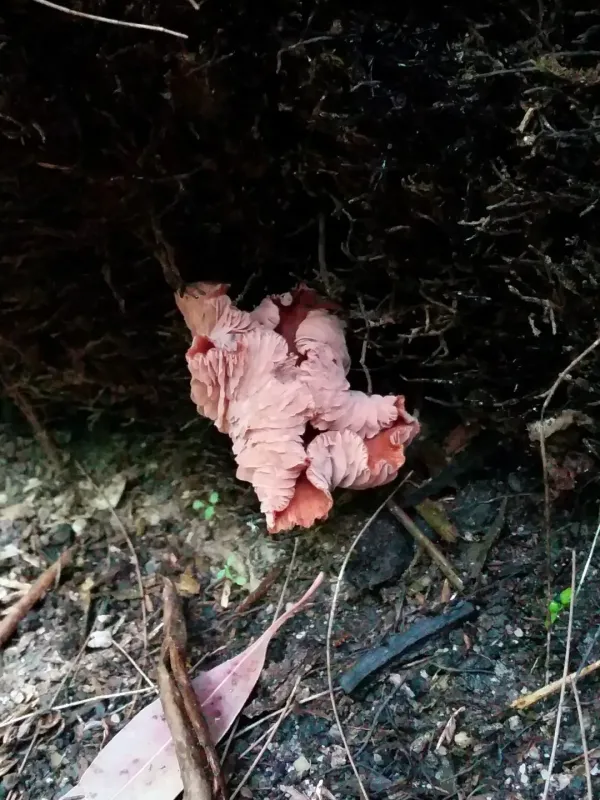
The visual signs of their presence are primarily the fruit bodies, which develop within the upper soil layer or deep under leaf litter.
Root systems may appear more branched or dense due to the formation of ectomycorrhizal sheaths, which is a positive response to fungal colonization.
Microscopic examination reveals the presence of fungal hyphae enveloping the root tips, which is a clear indicator of symbiosis rather than infection.
There is an absence of characteristic disease symptoms like necrosis, wilting, or lesions that are typical for true soil-borne plant pathogens.
In humid conditions, the development of spores might be observed, but this is a natural biological process and not a symptom of crop damage.
Pathogen
The family Hydnangiaceae belongs to the order Agaricales. It is essential to clarify that these fungi are not true plant pathogens but rather essential mycorrhizal symbionts.
The most representative species, Hydnangium pecrae, establishes mutualistic relationships with the roots of host trees, primarily in forest ecosystems.
Biologically, these fungi interact with the roots of the host plant to facilitate nutrient uptake, particularly phosphorus and nitrogen, in exchange for photosynthates.
The classification of this family as a "disease" in agricultural databases is a significant misnomer, as their presence usually improves plant physiological health.
Understanding their role is crucial for foresters, as they are part of the beneficial soil microbiome that supports the growth of various woody species.
Conditions for development
The development of these fungi is highly dependent on the presence of suitable host trees, often species from the Myrtaceae family.
Optimal conditions include high moisture levels in the forest floor and stable temperatures that support mycelial growth and fruit body formation.
Soil acidity (pH) is a critical factor, with most Hydnangiaceae species preferring slightly acidic soil environments common in forest ecosystems.
Adequate soil aeration is necessary for the mycelium to function effectively and to provide the roots with necessary gas exchange.
The dispersal of the fungi occurs through mycelial connections and, to a lesser extent, via spores distributed by small soil fauna.
Why it matters
These fungi cause no harm to plants; they do not cause decay, tissue rot, or decline in tree productivity under normal ecological conditions.
The only potential damage is indirect, caused by misdiagnosis leading to the unnecessary use of fungicides that can harm beneficial soil life.
They do not produce mycotoxins that would affect plant growth or represent a health risk to the surrounding forest vegetation.
In modern silviculture, the presence of Hydnangiaceae is considered a positive indicator of soil biodiversity and ecosystem health.
Unlike pathogenic fungi such as root rots, they do not disrupt the vascular system of the host or cause premature mortality of trees.
Protection
No specific control measures are needed because these fungi are beneficial symbionts rather than pests or diseases.
Avoid the use of broad-spectrum fungicides, as these chemicals can destroy essential mycorrhizal networks that support plant growth.
Management should focus on maintaining natural soil conditions and biodiversity to ensure that the symbiosis remains undisturbed.
Accurate identification is the most important step for an agronomist to prevent incorrect treatments that could disturb the soil microbiome.
If you suspect a plant disease, conduct a laboratory analysis to rule out pathogenic fungi before deciding on any agricultural intervention.
Discussion
No discussions yet — be the first.