
Hydnaceae
Hydnaceae
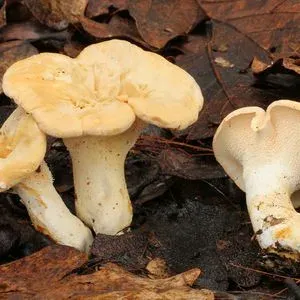
Description
Symptoms
The presence of Hydnaceae is identified by the appearance of their fruiting bodies on decaying logs, stumps, or sometimes directly on the forest floor.
The most prominent sign is the unique spine-bearing surface, which sets them apart from gill-bearing or pore-bearing fungi found in the same regions.
Fruiting bodies can be quite varied in structure, appearing either as large, fleshy masses or as delicate, coral-like structures hanging from wood.
Colors typically range from pure white to various shades of yellow, tan, or brown, depending on the specific genus and the moisture content of the substrate.
Mycelial growth, though often hidden within wood or soil, can be detected as fine white filaments that actively decompose organic compounds.
Pathogen
The family Hydnaceae represents a diverse group of fungi within the order Cantharellales. In scientific terms, they are not classified as plant pathogens or diseases, but as essential components of forest ecosystems.
These fungi typically engage in saprotrophic or mycorrhizal relationships, which are vital for nutrient cycling and the overall health of woodland environments.
The distinguishing feature of this family is the hymenophore, which is covered in tooth-like spines. These spines are the primary structures for spore production in many species.
The family includes various types, from the well-known medicinal Lion's Mane (Hericium erinaceus) to numerous species that live on decaying organic matter.
Understanding the biology of Hydnaceae helps researchers grasp the complexities of soil microflora and the natural decomposition processes occurring in nature.
Conditions for development
The growth and development of Hydnaceae are heavily dependent on high humidity levels and the availability of suitable organic substrates, such as decaying wood.
These fungi thrive during periods of sustained rainfall when relative humidity remains high, providing the necessary moisture for the development of fruiting bodies.
Ideal temperatures for most species fall between 15 and 22 degrees Celsius, which supports the most active phase of vegetative mycelial growth.
They prefer sheltered, shady environments where the substrate is protected from direct sunlight, which would otherwise lead to rapid desiccation.
Environmental stability is crucial; significant changes in microclimate or loss of forest cover can quickly inhibit the reproductive success of these fungi.
Why it matters
Hydnaceae are not considered plant diseases and do not pose a threat to agricultural crops, meaning they cause no direct harm to farming activities.
While they decompose wood, they primarily target already compromised or dead tissues, playing a beneficial role in recycling nutrients back into the soil.
There is no evidence that these fungi produce toxins that could harm nearby vegetation or inhibit the growth of agricultural produce.
In forest management, their presence is often viewed as a sign of a healthy, functioning ecosystem capable of breaking down dead biomass efficiently.
The only potential impact is the natural aging process of trees, which these fungi assist in by breaking down wood structure after the tree has reached the end of its life.
Protection
No formal control measures exist for Hydnaceae because they are not categorized as harmful pests or diseases in agricultural or forestry guidelines.
In ornamental settings, if their presence on wood is deemed aesthetically undesirable, the primary management technique is the removal of decaying wood and pruning of dead branches.
Good cultural practices, such as maintaining proper plant vitality and ensuring adequate drainage, are sufficient to manage the microclimate of a site.
Chemical fungicides are unnecessary and discouraged, as they may disrupt the beneficial fungal and bacterial life necessary for soil health.
Prevention relies on standard horticultural care, ensuring that trees remain vigorous and healthy, which naturally prevents the colonization by saprotrophic fungi.
Discussion
No discussions yet — be the first.