
Hyaloscypha herbarum
Hyaloscypha herbarum
Description
Symptoms
Infection is often manifested by the loss of turgor pressure in stems and petioles, leading to premature wilting of parts of the plant.
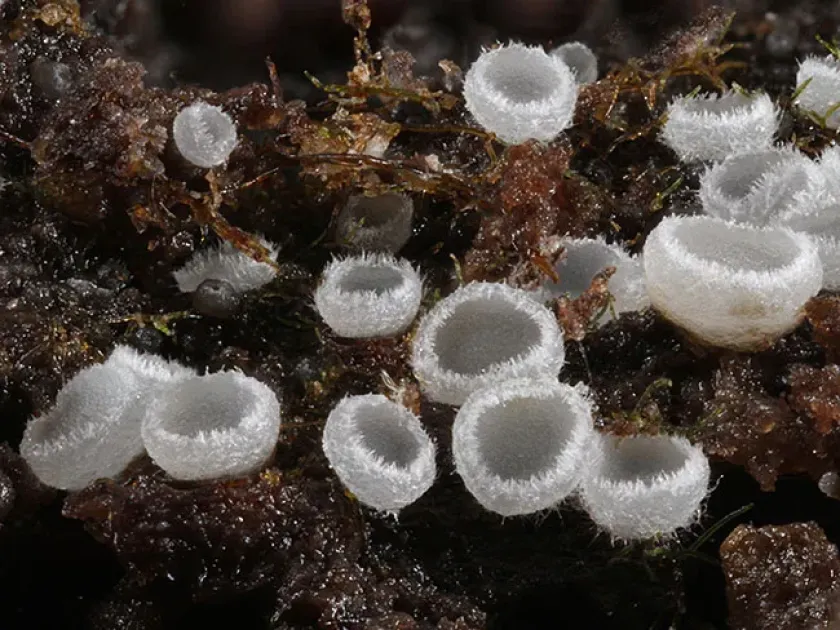
One of the first signs is the appearance of small, light-colored, cup-shaped fruiting bodies appearing on decaying plant stems.
Discoloration of the tissue around the fungal colony is common, turning the affected areas into soft, mushy, or brownish patches.
The presence of these tiny cups provides a strong diagnostic clue, as they are often visible to the naked eye under favorable moisture conditions.
As the infection progresses, structural integrity of the plant tissue fails, often resulting in stems breaking under their own weight.
Pathogen
The causal agent of this condition is the ascomycete fungus Hyaloscypha herbarum, belonging to the family Hyaloscyphaceae.
This fungus is primarily known as a saprotroph that decomposes dead organic matter, though it may opportunistically colonize stressed plant tissues.
It produces tiny reproductive structures called apothecia, which typically exhibit a cup-shaped or discoid morphology.
These fruiting bodies are very small, usually measuring between 1 and 2 millimeters, often featuring characteristic fine hairs on the outer surface.
The life cycle involves the release of spores that disperse via wind or water droplets, facilitating the spread across agricultural fields.
Conditions for development
High humidity and consistent moisture are the primary drivers for the development and proliferation of Hyaloscypha herbarum.
The fungus thrives in cool to moderate temperatures, often coinciding with autumn weather or periods of excessive dew accumulation.
Densely planted crops that lack sufficient airflow create a stagnant microclimate that is perfectly suited for fungal colonization.
The presence of abundant plant debris on the soil surface provides an essential nutrient reservoir for the fungus to persist throughout the season.
Improper irrigation techniques that keep the plant crown and soil surface constantly damp significantly increase the risk of an outbreak.
Why it matters
The primary damage caused by this fungus is the rapid degradation of plant cell walls, which compromises the nutrient transport system.
Plants affected by the fungus show stunted growth and reduced vigor, which directly correlates to a lower overall yield potential.
The aesthetic quality of the crops is severely diminished, often making them unmarketable due to discoloration and structural decay.
By weakening the plant, the fungus creates entry points for secondary infections, which may be more aggressive than the initial pathogen.
In commercial greenhouse environments, rapid spread can lead to significant economic losses if not identified and managed early.
Protection
Effective management begins with strict sanitation, including the complete removal and destruction of crop residues after harvest.
Improving air circulation through proper spacing and thinning of crops is essential to reduce humidity levels within the canopy.
Cultivation and tillage practices that turn over the soil help bury organic debris, preventing the buildup of fungal inoculum.
Chemical control can be implemented using broad-spectrum fungicides, particularly those known to be effective against ascomycete species.
Maintaining a diverse crop rotation is a fundamental preventive measure to disrupt the life cycle of the pathogen and restore soil health.
Discussion
No discussions yet — be the first.