
Hyaloscyphosis
Hyaloscypha
Description
Symptoms
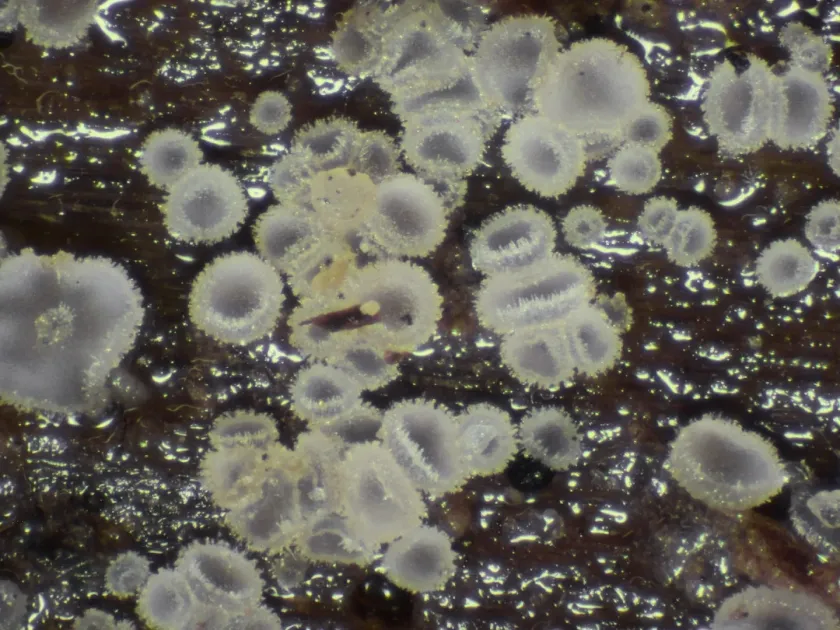
The most distinct sign of infection is the presence of tiny, cup-shaped fruiting bodies, which appear as whitish or translucent structures on the stems or bark of the host plant.
Infected tissues often show characteristic color changes, forming necrotic spots or areas of softened, decaying tissue. Over time, these areas may lead to the dieback of shoots and branches.
In woody species, premature leaf drop and overall stunted growth are common symptoms. Some plants may react to the fungal presence by secreting sap or resin, indicating stress caused by the localized infection.
Diagnosis can be challenging as the symptoms may resemble other decay-causing fungi. However, the presence of specific apothecia during periods of high humidity is a reliable indicator for identification.
Monitoring the lower portions of stems and the root collar is essential, as these areas often provide the microclimate necessary for the development of the fungal fruiting structures.
Pathogen
The disease is caused by fungi of the genus Hyaloscypha, which belong to the Ascomycota division. While primarily saprotrophic, these fungi can exhibit opportunistic pathogenic behavior, especially when the plant's health is compromised.
The fungus develops mycelium within the plant tissues, often colonizing decaying matter before spreading to living cells. Its biology is closely linked to humidity levels, which trigger the production of fruiting bodies.
Morphologically, the genus is characterized by small, cup-shaped apothecia that develop on the surface of infected plant stems or bark. These structures release spores that are easily dispersed by wind and rain splash.
These fungi are common in both natural forest ecosystems and agricultural settings. They thrive in environments where organic debris is left on the soil surface, providing a continuous substrate for growth.
Understanding the life cycle of Hyaloscypha is crucial for identifying its role as a secondary pathogen that exploits plant vulnerability rather than being a primary aggressor in healthy, vigorous crops.
Conditions for development
High humidity and prolonged periods of wetness are the primary drivers for the development of hyaloscyphosis. The fungus requires moisture to germinate and establish itself within the plant tissue.
The disease typically thrives in moderate temperatures, common during spring and autumn. Stagnant air around the plant canopy significantly increases the risk of infection spread.
Crowded plantings and lack of adequate spacing prevent airflow, keeping the plant surfaces moist for longer periods. This creates a perfect environment for spores to land and colonize.
Mechanical damage from pests, pruning, or weather conditions provides entry points for the pathogen. Weakened plants, suffering from nutritional deficiencies, are less capable of resisting fungal invasion.
Poor sanitation practices, such as leaving infected plant debris in the field or greenhouse, significantly elevate the spore load and provide the fungus with the necessary resources for survival.
Why it matters
The primary impact of hyaloscyphosis is the progressive weakening of the host plant, which reduces its vitality and growth rate. Over time, the cumulative effect can lead to severe stress and stunted development.
If the infection reaches a critical stage, particularly in young saplings or sensitive varieties, it can cause the death of stems or the entire plant due to the disruption of internal transport systems.
Ornamental crops often suffer from loss of visual quality, rendering them unmarketable. For nurseries, this represents a direct economic loss due to the destruction of inventory.
The disease also facilitates the entry of secondary pathogens, including bacteria and other aggressive fungi, which further complicates the health of the plant and increases mortality risks.
Management costs, including labor for sanitation, fungicide applications, and the loss of production area, make this disease a factor that growers must address to ensure a profitable harvest.
Protection
Sanitation is the most effective management strategy. Regularly removing and destroying infected plant parts prevents the buildup of the fungal population and reduces the risk of future outbreaks.
Improving the growing environment is essential, which includes ensuring proper spacing between plants to enhance air circulation and reducing moisture levels in the canopy.
Careful pruning practices are required to minimize entry points. All tools should be cleaned and disinfected regularly to prevent the inadvertent transmission of spores between plants.
Fungicides can be used preventatively or at the first sign of symptoms, particularly during periods of high rain and humidity, to protect the most vulnerable stages of plant development.
- Regular monitoring of plant health.
- Balanced fertilization to promote natural resistance.
- Proper drainage to reduce soil moisture levels.
- Selection of disease-resistant varieties where available.
Discussion
No discussions yet — be the first.