
Hyaloriaceae fungi
Hyaloriaceae
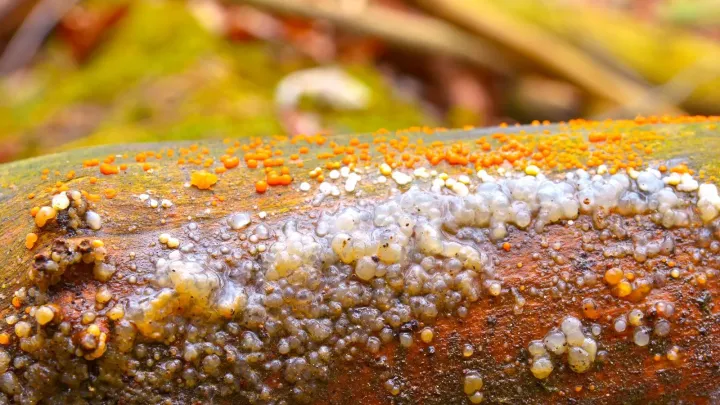
Description
Symptoms
The most visible symptom is the formation of jelly-like growths on the bark or branches. In dry conditions, these structures may harden and become crusty.
Infected plants often exhibit premature yellowing and leaf shedding, which indicates compromised vascular systems and limited water and nutrient transport.
Cross-sections of infected branches typically reveal areas of necrosis and tissue discoloration, which serve as a diagnostic indicator of internal decay.
Dieback of terminal shoots is a common observation, leading to distorted crown development and reduced overall vigor of the woody plant.
- Jelly-like growths on branches
- Premature chlorosis and leaf fall
- Internal tissue necrosis
- Shoot dieback and stunted growth
Pathogen
The family Hyaloriaceae belongs to the Auriculariales order. These fungi are identified as pathogens that can affect various tree species and decorative plants under certain environmental conditions.
Biologically, these are basidiomycetes that often develop gelatinous or jelly-like fruiting bodies. They act as parasites that infiltrate plant tissues through bark damage or other existing wounds.
The life cycle of the pathogen is heavily dependent on moisture. Spores are disseminated by wind or splashing water, successfully infecting host plants during periods of high humidity and sap movement.
The mycelium colonizes the plant parenchyma, utilizing enzymatic processes to break down cell walls. This action causes decay and tissue disruption, which hampers the host's physiological functions.
These fungi exhibit significant resilience and can persist in plant debris for extended periods, making them a recurring threat in orchards and managed green spaces.
Conditions for development
High relative humidity, typically exceeding 80%, is the primary environmental factor facilitating the development and spread of the pathogen.
Optimal temperatures for mycelial growth range between +15 and +22 degrees Celsius, making spring and autumn periods particularly high-risk times.
Mechanical injuries caused by pruning, hail, or insect feeding act as entry points for the fungus, drastically increasing the likelihood of infection.
Dense planting patterns that restrict airflow create a microclimate with high moisture retention, promoting the germination of fungal spores on plant surfaces.
Plants that are already weakened by poor nutrition or environmental stress are significantly more susceptible to successful colonization by Hyaloriaceae species.
Why it matters
The primary harm caused by these fungi is the gradual depletion of the plant’s energy reserves, leading to diminished productivity and poor overall health.
By damaging the vascular pathways, the fungus limits the transport of essential elements, which results in stunted growth and potential failure of the plant's reproductive organs.
Severe infestations often lead to the death of major branches, requiring significant pruning and resulting in the loss of structural integrity and aesthetic value.
If left unmanaged, the pathogen can eventually cause the complete death of the host plant, representing a substantial loss in agricultural or ornamental assets.
The presence of these fungi creates a continuous source of inoculum, threatening the health of surrounding plants in the same area.
Protection
Sanitation is the most critical control measure: all infected plant parts should be removed promptly and destroyed to limit spore dispersal.
Wounds created during pruning or through accidental damage should be treated immediately with protective sealants or fungicides to prevent colonization.
Preventive spraying with copper-based fungicides during the early spring helps manage the spore population and reduces the risk of initial infection.
Improving the cultural environment by thinning dense crowns and ensuring adequate drainage helps maintain a drier microclimate that is unfavorable to the fungus.
Maintaining strong plant vigor through appropriate fertilization and water management serves as a natural barrier against various fungal pathogens.
Discussion
No discussions yet — be the first.