
Description
Symptoms
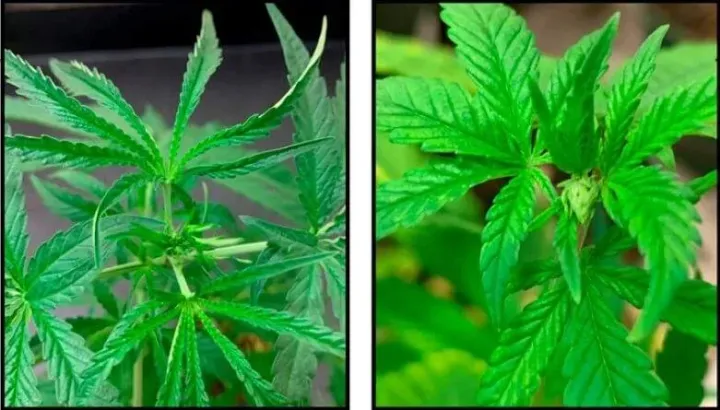
As the name implies, the virus is latent in most commercial hop cultivars, meaning that infected plants typically show no visible symptoms of disease.
In highly susceptible varieties, symptoms may manifest as very mild chlorotic mottling or slight yellowing of the leaves, which are easily overlooked in the field.
Some plants may exhibit a reduction in vigor or slightly stunted growth, though these signs are rarely diagnostic on their own.
The absence of clear symptoms makes visual inspection ineffective, necessitating serological or molecular tests, such as ELISA or RT-PCR, to confirm presence.
In rare cases of mixed viral infections, more pronounced leaf curling or reduced cone formation may occur, signaling a more serious physiological stress.
Pathogen
The causal agent is the Hop latent virus (HpLV), a member of the Carlavirus genus within the Betaflexiviridae family.
This virus is a single-stranded positive-sense RNA virus that commonly infects Humulus lupulus globally, often without causing severe damage.
Transmission occurs primarily through mechanical means, such as contact between plants or the use of contaminated pruning tools during farm operations.
Aphids act as vectors, facilitating the transmission of the virus in a non-persistent manner, which allows for rapid spread within and between hop yards.
The virus is also systemically spread through vegetative propagation, as infected rhizomes and cuttings serve as primary sources of inoculum for new plantations.
Conditions for development
Viral multiplication is synchronized with the active growth cycle of the hop plant, as the virus moves efficiently through the phloem to developing shoots.
Environmental conditions that favor the proliferation of aphid populations are directly correlated with an increased rate of virus dissemination across the field.
High-density planting systems increase the probability of leaf-to-leaf contact, which facilitates the horizontal spread of the virus during the growing season.
Agricultural practices that involve frequent physical handling of vines, such as stringing and pruning, create numerous opportunities for mechanical transmission.
Warm and humid weather conditions may indirectly support the disease cycle by promoting both host growth and vector activity.
Why it matters
Although the virus is often asymptomatic, it causes a reduction in total plant productivity, which can lead to cumulative economic losses over several years.
Infection is associated with a decrease in the quality of hop cones, specifically affecting the concentration of alpha-acids and essential oils.
Plants affected by the virus exhibit reduced tolerance to abiotic stresses, such as drought, nutrient deficiencies, or extreme temperatures.
The virus may negatively interact with other plant pathogens, potentially worsening the severity of fungal or bacterial infections already present in the crop.
Continued use of virus-infected stock leads to the long-term decline of a hop yard, eventually requiring costly removal and replanting with certified material.
Protection
The most effective strategy for control is the use of virus-free planting material, which is strictly certified through tissue culture and meristem propagation.
Rigorous sanitation protocols must be followed, including the systematic disinfection of all tools and machinery used during pruning and harvesting.
An integrated pest management program should be implemented to control aphid vectors, thereby minimizing the spread of the virus by insects.
Regular testing and culling of infected plants help to manage the viral load in existing plantations, although complete eradication from mature yards is difficult.
Maintaining physical barriers or spatial isolation between newly planted virus-free fields and older, infected yards is essential to prevent re-infection.
Pathogens and affected parts
Affects crops · 1
Discussion
No discussions yet — be the first.