
Hoehnelomycetaceae
Hoehnelomycetaceae
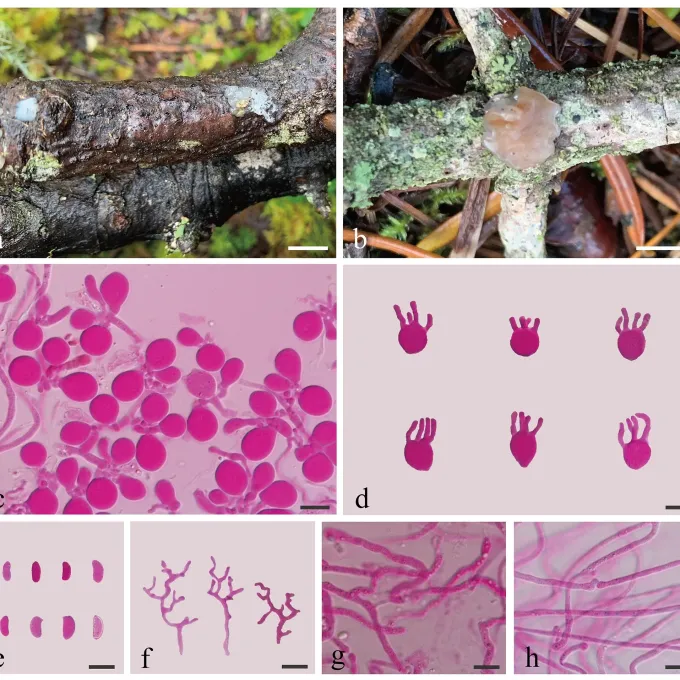
Description
Symptoms
The primary symptom of infection is the emergence of unusual growths or patches on the bark or stems of the affected plant.
Fruiting bodies appear as small, often translucent or brightly colored protrusions that become more prominent under high humidity conditions.
Tissues underlying the infected areas often become softened due to the enzymatic breakdown of cellulose and lignin by the fungal mycelium.
Over time, spore-producing surfaces, which can be slimy or velvety in texture, develop on the surface of the infected plant parts.
The host plant typically shows signs of general decline, including premature leaf fall, wilting of branches, and reduced seasonal growth rates.
Pathogen
The Hoehnelomycetaceae family consists of specialized fungal organisms belonging to the order Dacrymycetales, often acting as wood-decaying agents or parasites.
The pathogen is a microscopic fungus that produces gelatinous or firm fruiting bodies, typically exhibiting distinct coloration during its reproductive phase.
The infection primarily spreads via basidiospores, which are dispersed through wind currents, rain splashing, or by insect vectors to susceptible plant tissues.
The biological life cycle of this fungus is highly dependent on moisture levels, which are necessary for spore germination and the successful colonization of host tissues.
In a phytopathological context, these fungi are recognized for their ability to degrade structural plant components, especially when the host is under physiological stress.
Conditions for development
Development of Hoehnelomycetaceae fungi is directly linked to high relative humidity levels and the presence of free water on plant surfaces.
Optimal temperatures for mycelial expansion generally align with moderate seasonal conditions, particularly during spring and autumn wet periods.
Infection is significantly more likely when wounds, bark cracks, or frost damage exist, providing the fungus with entry points into the inner tissues.
Poor orchard sanitation, including the presence of decaying wood or debris, serves as a consistent reservoir for fungal inoculum.
Dense planting configurations that restrict air circulation create a microclimate with stagnant humidity, which facilitates rapid fungal proliferation.
Why it matters
The main damage caused by these fungi involves the progressive destruction of plant structural integrity, ultimately leading to the death of weakened individuals.
Pathogen activity reduces overall crop yield and vitality by interfering with vascular transport and compromising metabolic processes.
In commercial settings, widespread infection can lead to severe economic losses due to the need for costly removal and replacement of affected plants.
The presence of the fungus often makes the host more vulnerable to secondary pest infestations, further accelerating its decline.
Long-term colonization decreases the quality of wood and fruits, negatively impacting the market value of the produce.
Protection
The most effective strategy involves rigorous agronomic practices aimed at maintaining plant health and preventing environmental stress.
Regular sanitary pruning is essential, and all pruning cuts should be immediately treated with appropriate antiseptic agents or wound sealants.
It is critical to minimize mechanical damage to the bark and trunk during routine agricultural operations such as cultivation or pruning.
- Maintaining adequate spacing to ensure proper airflow.
- Thorough removal and disposal of all diseased wood and debris.
- Preventive application of copper-based fungicidal sprays.
Once infection is detected, the application of systemic fungicides authorized for specific crop types may be necessary to suppress further spread.
Discussion
No discussions yet — be the first.