
Hirsutella citriformis
Hirsutella citriformis
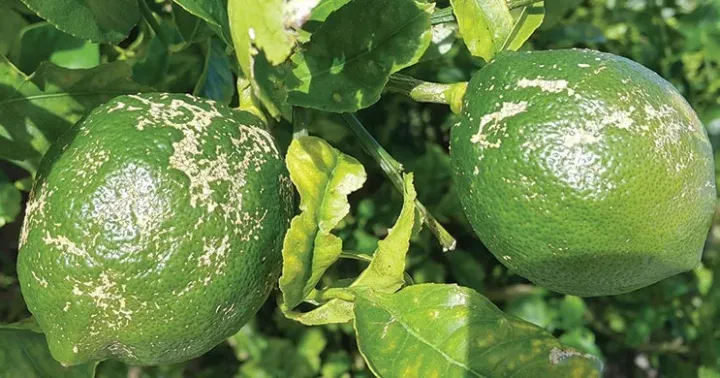
Description
Pathogen
Hirsutella citriformis is a specialized entomopathogenic fungus belonging to the Ophiocordycipitaceae family. Unlike harmful plant pathogens, this fungus acts as a natural biological control agent against specific insect species.
The fungus functions by infecting the larvae and adults of various pests. The infection begins when spores (conidia) land on the insect cuticle, germinate, and penetrate the host's body to feed on its internal tissues.
As the mycelium grows within the host, the insect eventually dies, allowing the fungus to produce new spores on the external surface of the insect carcass to continue the infection cycle.
This fungus is highly valued in integrated pest management because it is host-specific, primarily targeting arthropods such as whiteflies and certain scale insects common in citrus crops.
Biological studies highlight its role as a natural regulator that helps maintain insect populations below the economic injury level without the need for synthetic chemical intervention.
Conditions for development
The development of Hirsutella citriformis is strictly dependent on environmental factors, with high relative humidity (above 80%) being the most critical requirement for spore germination.
Optimal temperatures for the growth and colonization of the host usually range between 22°C and 28°C. These conditions are frequently met in humid, densely planted citrus groves or glasshouses.
A sufficient host density is necessary to sustain the fungus population. When host populations are low, the incidence of fungal-driven outbreaks may decrease as the dispersal of spores is limited.
Protection from direct ultraviolet (UV) radiation is vital for spore survival. Shaded, humid microclimates within the plant canopy provide the best environment for the fungus to persist and thrive.
Frequent rainfall or irrigation that maintains consistent canopy moisture significantly enhances the efficacy of the fungus by facilitating the spread of spores through water droplets.
Why it matters
From an agronomic perspective, Hirsutella citriformis is not harmful to plants. It is classified as a beneficial organism that contributes to plant health by suppressing damaging pest populations.
By controlling citrus whitefly (Dialeurodes citri) and related species, the fungus indirectly prevents the accumulation of honeydew and the subsequent development of sooty mold, which can severely reduce photosynthesis.
The absence of phytotoxicity makes this fungus an excellent candidate for sustainable agriculture. It does not damage plant tissues, fruits, or flowers, maintaining the market quality of the crop.
Its role as a biological agent provides a reliable natural defense mechanism that helps reduce the reliance on chemical insecticides, thereby promoting a healthier ecosystem.
The fungus does not compromise the plant's metabolic processes; rather, it relieves the plant from the stress of heavy pest feeding, allowing for better growth and higher yields.
Protection
Since Hirsutella citriformis is a beneficial organism, no control measures are required to combat it. Instead, the focus should be on conservation and habitat management to support its growth.
Avoid the overuse of broad-spectrum chemical fungicides, as they can inadvertently kill beneficial fungi along with the target plant pathogens, disrupting natural biological control.
Maintain optimal grove microclimates by ensuring appropriate pruning and spacing, which balances air circulation with the humidity levels required for fungal spore dispersal.
Integrated Pest Management (IPM) practices should prioritize the presence of such beneficial pathogens when evaluating the need for chemical insecticide applications.
Monitoring the prevalence of infected insects within the field allows agronomists to determine if the natural control provided by the fungus is sufficient, potentially eliminating the need for further chemical intervention.
Discussion
No discussions yet — be the first.