
Heterophoma
Heterophoma poolensis
Description
Symptoms
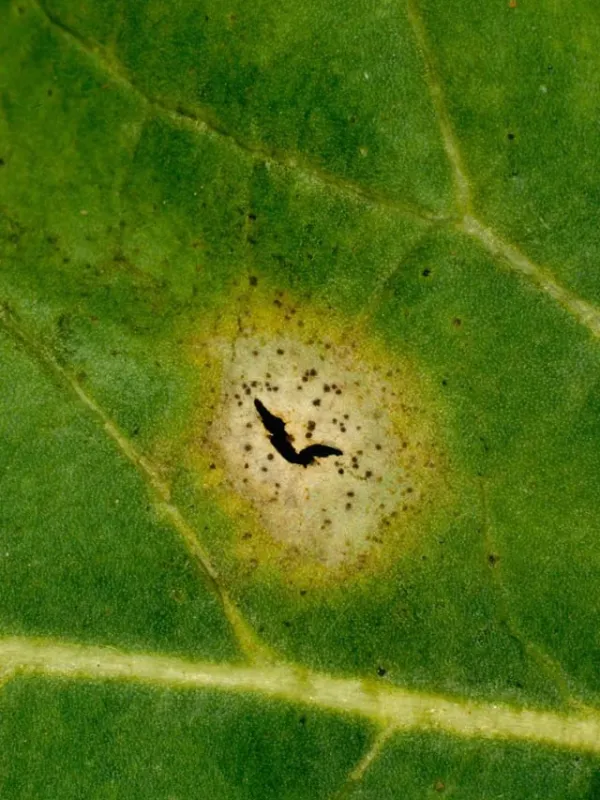
The first signs of infection typically appear as small, chlorotic spots on leaves. As the disease progresses, these spots expand into necrotized lesions, often featuring a distinct, darkened margin.
Visible tiny black dots appear in the center of these lesions, which are the pycnidia of the fungus. Identifying these structures is a crucial diagnostic step to distinguish this disease from other leaf spot pathogens.
Stem infections can lead to tissue softening and premature wilting of the plant. In severe cases, the epidermis of the stem may crack, compromising the plant's structural integrity and its ability to transport nutrients.
On early stages of infection, the symptoms might remain localized, but under favourable conditions, the disease spreads rapidly across the leaf canopy, leading to significant foliage senescence.
Infected seedlings may exhibit stunted growth and general discoloration. This systemic impact on the plant's metabolism significantly reduces its vigor and overall resistance to environmental stresses.
Pathogen
The disease is caused by the fungus Heterophoma poolensis, which belongs to the Ascomycota division. Previously classified within the Phoma genus, recent phylogenetic studies have established it as a distinct genus called Heterophoma.
The fungus typically functions as a saprotroph or a weak parasite that exploits weakened plant tissues. Its lifecycle is characterized by the production of pycnidia, specialized fruiting bodies that release large quantities of conidia into the environment.
Conidia are the primary means of dissemination. They spread effectively via water splashes during rain, wind currents, and through contact with contaminated soil or farming equipment during cultivation and harvesting.
The mycelium of Heterophoma poolensis exhibits remarkable resilience. It can survive for extended periods in crop debris, allowing the pathogen to persist in fields even when the primary host crop is absent.
In laboratory settings, the identification of the pathogen involves culturing on specific agar media. Microbiologists examine the morphological characteristics of the colonies and the specific structure of the pycnidia to confirm the species identity.
Conditions for development
The development of Heterophoma is strongly correlated with high humidity and moderate temperatures. Rainy seasons, combined with frequent fog, create the perfect atmosphere for spore germination and colonization.
The optimal temperature range for the mycelial growth of Heterophoma poolensis is between 18 and 22 degrees Celsius. Fluctuations in day and night temperatures can impact the rate of spread but rarely stop it entirely.
Poorly ventilated fields, especially those with high planting density, trap humidity at the leaf surface. This prolonged moisture creates an ideal environment for the pathogen to thrive and initiate widespread infection.
Excessive nitrogen fertilization can lead to succulent plant tissue growth, which is much easier for the fungus to penetrate. This imbalance makes the crop more susceptible to various fungal pathogens.
Soil-borne inoculum is the main source of primary infection. The presence of residues from previous seasons in the upper layers of the soil provides a continuous supply of spores when environmental conditions become suitable.
Why it matters
The primary economic impact of the disease is the reduction in photosynthetic area. This loss leads to lower yields and inferior quality of harvested produce, as the plant cannot produce sufficient carbohydrates.
Stem weakening caused by the fungus increases the risk of lodging, particularly in cereals. This results in significant mechanical harvest losses and complicates the logistical process of gathering the crop.
Seeds harvested from heavily infected plants often show poor germination rates. Using such seeds can perpetuate the disease cycle in subsequent years, spreading the pathogen to new planting areas.
Plants struggling with an active Heterophoma infection are often more susceptible to secondary pests and pathogens, requiring additional chemical inputs and increasing the overall cost of production.
The cumulative effect of these factors is a lower return on investment for the farmer, as the decreased yield and increased cost of protective measures directly affect the final profitability of the crop.
Protection
Effective crop rotation is the most essential strategy to break the infection cycle. By not planting susceptible species on the same field for several years, farmers can significantly reduce the pathogen's soil population.
Sanitation practices, including the deep burial or removal of crop residues, are vital. Removing the source of the primary inoculum drastically limits the potential for initial disease outbreaks.
The selection of disease-resistant varieties is the most cost-effective and environmentally friendly method for disease prevention. Breeding programs continue to focus on developing crops with natural defensive mechanisms.
Regular monitoring of field conditions and early detection of lesions allow for targeted fungicide applications. This proactive approach saves on costs and reduces the total amount of chemicals released into the environment.
- Maintaining optimal planting density to ensure proper air circulation.
- Balanced nutrient application to avoid excessive succulent vegetative growth.
- Utilization of certified, high-quality, and treated seed lots.
Discussion
No discussions yet — be the first.