
Hericiaceae
Hericiaceae
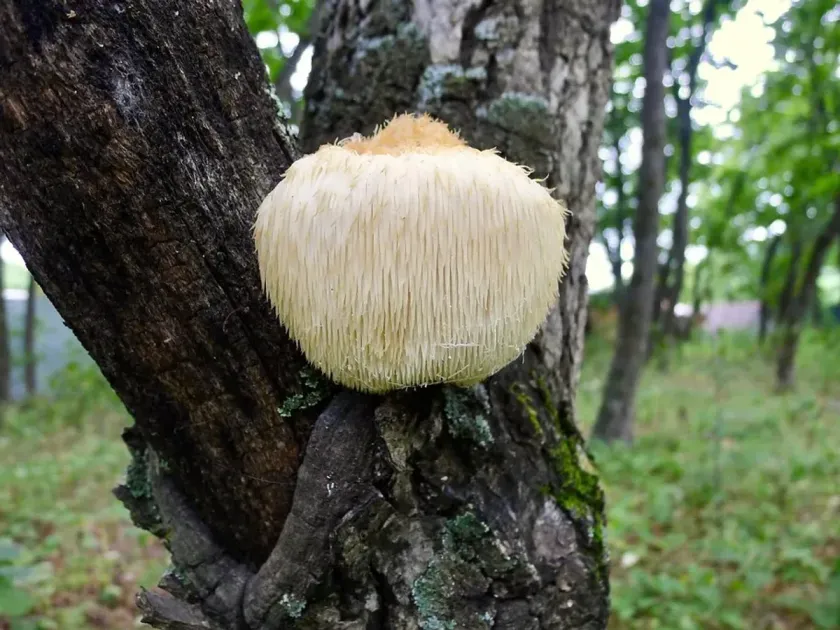
Description
Symptoms
The most visible indicator of a Hericiaceae infection is the emergence of characteristic, often shaggy or spiky, fruiting bodies on the trunk or large branches of the tree.
Internally, the wood exhibits bleaching or a loss of density. Over time, as the fungus consumes the heartwood, the tree develops hollows or soft, spongy pockets inside the trunk.
External symptoms include canopy thinning, chlorosis (yellowing of leaves), and premature leaf drop. The tree may struggle to support its own weight due to the weakening of the trunk.
Cracks in the bark, oozing wounds, or localized decay patches often suggest the presence of the pathogen beneath the surface. As the disease progresses, the bark may peel away from the wood.
A hollow sound when tapping the trunk indicates advanced decay. This is a critical stage where the risk of the tree collapsing during severe weather increases significantly.
Pathogen
The Hericiaceae family includes basidiomycete fungi that act as wood-decaying organisms. Some species are opportunistic parasites that thrive on weakened trees, causing significant structural damage to the xylem and heartwood.
These pathogens cause white rot, a condition where the fungi decompose lignin and cellulose, effectively breaking down the internal structure of the tree. This process gradually compromises the wood's integrity.
Infection typically occurs through open wounds, such as pruning cuts, broken branches, or frost cracks in the bark. Once inside, the mycelium colonizes the inner tissues, creating a network that transports enzymes to dissolve the wood structure.
The fungi are known for their persistence. They can survive within the host plant for many years, slowly expanding their reach until the internal wood is completely degraded.
Spore production is the primary method of propagation. Wind and insects carry these spores to other healthy trees, making hygiene in forestry and orchard management essential to prevent outbreaks.
Conditions for development
High humidity and moisture are crucial for the development and spread of Hericiaceae fungi. Wet bark and damp conditions inside the wood provide the necessary environment for mycelium growth.
Poor aeration in dense plantings or neglected orchards prevents the rapid drying of bark, creating a favorable niche for fungal colonization after mechanical damage.
Environmental stress, such as drought, extreme temperature fluctuations, or sunscald, weakens the tree's natural defenses, making it susceptible to infection through even minor injuries.
Lack of proper sanitation in a garden or forest—such as leaving dead logs or pruning debris—provides a reservoir for fungal spores to survive and multiply.
Temperature range is also a factor; moderate temperatures between 15 and 25 degrees Celsius are generally ideal for the metabolic activity of these fungi within the tree.
Why it matters
The primary harm is the destruction of the tree's structural stability. Once the heartwood is heavily rotted, the tree becomes a significant hazard, prone to sudden failure or collapse.
In commercial orchards, fruit production is drastically reduced. The tree fails to maintain proper nutrient transport, leading to stunted, poor-quality fruit and eventual decline.
Financial losses are substantial, as infected trees often require removal and disposal. Replacing large, mature trees is both costly and time-consuming for orchard owners.
The pathogen can act as a catalyst for other pests. Insects often colonize the decaying wood, further accelerating the tree's deterioration and shortening its lifespan.
If left unmanaged, a localized infection can spread to neighboring healthy trees, resulting in the loss of entire sections of a orchard or forest plot.
Protection
Prevention begins with proper pruning practices. Always use sterilized tools and treat larger pruning cuts with wound dressings or fungicides to seal the area from fungal spores.
Maintaining tree vigor through balanced fertilization and proper irrigation helps the plant develop stronger natural resistance against opportunistic fungal infections.
For minor infections, surgical removal of the fruiting bodies and decayed wood down to healthy tissue, followed by fungicidal treatment, can sometimes arrest the progress of the rot.
If the infection is widespread, the tree must be removed and the wood destroyed (burned or buried) to prevent the spread of spores. Stumps should be treated or extracted.
- Regular inspection of the trunks and canopy for signs of growth.
- Applying whitewash to trunks to prevent sunscald damage.
- Ensuring adequate airflow through strategic thinning.
- Removing and disposing of dead branches promptly.
Discussion
No discussions yet — be the first.