
Helminthosphaeriaceae
Helminthosphaeriaceae
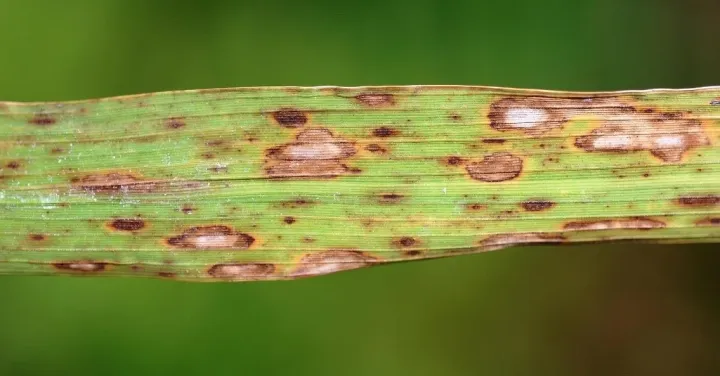
Description
Symptoms
Symptoms of Helminthosphaeriaceae infection typically appear as necrotic lesions on leaves, stems, or fruits. These spots often change in color, turning dark brown or black as the fungus matures.
Affected plant tissues often show signs of chlorosis followed by tissue necrosis. The weakening of cell structures leads to premature leaf drop or the wilting of branches, significantly hindering plant development.
Under magnifying conditions, tiny black fruiting bodies known as perithecia can be observed on the surface of the lesions. These are characteristic signs indicating the active stage of the pathogen's life cycle.
As the disease progresses, large areas of the plant canopy may turn brown, which drastically reduces the ability of the plant to conduct photosynthesis and produce energy.
Heavy infestations often result in stunted growth, distorted stems, and a overall decline in the plant's health, making it susceptible to secondary infections by other opportunistic pathogens.
Pathogen
The disease is caused by ascomycete fungi within the Helminthosphaeriaceae family. These organisms are specialized pathogens that utilize plant tissues as their primary substrate for nutrition.
The fungus reproduces sexually by forming perithecia, which serve as overwintering structures, allowing the pathogen to survive in soil or plant debris until the next growing season.
Ascospores act as the primary inoculums, being spread through wind currents, rain splashes, or contaminated agricultural equipment during the growth period.
Upon landing on a susceptible host, the spores germinate and penetrate the plant tissue. The hyphae then colonize the interior, releasing enzymes that break down the plant cell walls.
The high genetic flexibility of these fungi allows them to evolve rapidly, often leading to the emergence of new, more aggressive strains that can challenge existing resistance in commercial cultivars.
Conditions for development
High humidity and consistent rainfall are the most critical environmental factors that promote the development and dispersal of Helminthosphaeriaceae fungi.
Moderate temperatures during the active vegetative growth phase provide the ideal environment for the spores to germinate and for the fungal hyphae to spread effectively.
Plant density plays a significant role; overcrowded fields have reduced airflow, which leads to increased leaf wetness and creates a favorable microclimate for the disease.
Plants that are already under stress due to nutrient deficiencies, mechanical damage, or extreme weather are significantly more likely to be successfully invaded by the pathogen.
Periods of morning dew or prolonged mist allow the pathogen to maintain activity throughout the day, accelerating the infection process across the crop area.
Why it matters
The primary damage caused by these fungi is the significant reduction of photosynthetic surface area on leaves, which leads to lower yields and inferior quality of harvested produce.
When stems are infected, the vascular system of the plant is disrupted. This interferes with the transport of water and nutrients, resulting in weakened stalks that are prone to lodging.
In cases where the fungus attacks the reproductive organs, the seeds or fruits may become shriveled, discolored, and ultimately unsellable, resulting in substantial financial losses.
Secondary effects of infection include a reduction in the vigor of the plant, which may lower the nutritional value of the crops and affect their marketability in global trade.
Farmers often incur high costs related to the emergency application of fungicides and labor-intensive harvesting techniques to mitigate the losses caused by heavily infected crops.
Protection
Integrated Pest Management (IPM) is essential for controlling these fungi, beginning with the implementation of diverse crop rotations to interrupt the pathogen's life cycle.
Sanitation practices, such as the removal or deep burial of crop residues after harvest, are highly effective in reducing the primary inoculum levels for the upcoming season.
Selecting and planting genetically resistant varieties is the most sustainable and cost-effective method to manage Helminthosphaeriaceae without reliance on chemicals.
The timely application of broad-spectrum or systemic fungicides during the early stages of disease appearance can prevent further spread and save the potential harvest.
- Monitoring fields for early signs of symptoms.
- Maintaining optimal plant spacing to promote airflow.
- Using certified, disease-free seed material.
- Balancing fertilization to improve plant natural immunity.
Discussion
No discussions yet — be the first.