
Helminthosphaeria
Helminthosphaeria
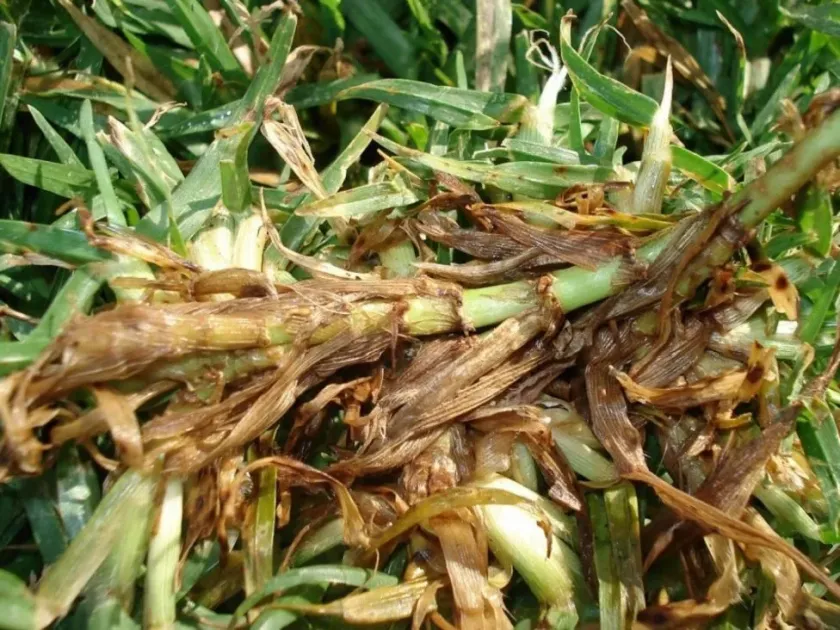
Description
Symptoms
The primary symptoms include the appearance of a dark, soot-like growth or tiny black dots (perithecia) on plant tissues or on the surface of other fungal colonies.
It is frequently detected as a secondary infection when it colonizes white patches of powdery mildew, causing the mildew colonies to turn dark gray or black.
Affected plant tissues may show signs of deformation or premature wilting, although the host plant often remains alive, albeit with reduced vigor and compromised physiological functions.
Close inspection with a magnifying lens reveals clusters of tiny, spherical black structures. These are typically scattered or aggregated in groups depending on the severity of the colonization.
Early-stage infection can be challenging to distinguish from sooty molds or other saprophytic fungi, necessitating careful monitoring of the host's health and fungal community composition.
Pathogen
The causative agent of the disease is the fungus Helminthosphaeria, which belongs to the class of Ascomycota. These pathogens often act as hyperparasites, infecting the fruiting bodies of other fungi.
The biology of Helminthosphaeria is intricately linked to the presence of other mycoses, such as powdery mildew, which serve as a host for this pathogen's reproduction.
The life cycle involves a dormant stage in the form of mycelium or dark fruiting bodies (perithecia) that survive on plant debris, ensuring the persistence of the fungus in the field.
Under favorable conditions, the pathogen releases ascospores that are dispersed by wind to healthy parts of the plant or neighboring hosts, initiating a new infection cycle.
Scientific identification requires microscopic examination, as the fruiting bodies are extremely small and easily confused with other surface-growing fungal structures.
Conditions for development
Development is favored by high humidity and moderate temperatures. Rainy periods are particularly conducive to the rapid germination and dispersal of Helminthosphaeria spores.
The presence of a primary infection is a critical prerequisite, as the pathogen is specialized for colonizing existing fungal colonies rather than healthy tissue directly.
Poor aeration in dense plantings creates a microclimate that keeps foliage damp for extended periods, providing ideal conditions for the establishment of the fungus.
Plant debris left in the field from previous seasons acts as a reservoir for the pathogen, ensuring a high inoculum pressure for the subsequent growing cycles.
Lack of proper field sanitation and improper pruning contribute to the buildup of the pathogen within an agricultural ecosystem, increasing the risk of widespread occurrence.
Why it matters
The economic harm stems from the weakening of the host plants, which are already suffering from primary fungal diseases, thus reducing the overall crop quality and yield.
The fungal growth can obstruct sunlight, interfering with the photosynthetic activity of the leaves and leading to reduced biomass accumulation and impaired plant development.
In cases of fruit or ornamental plant infection, the presence of black fungal structures significantly degrades the aesthetic and market value of the harvested products.
A heavy infestation creates an adverse phytosanitary background, often forcing growers to increase the frequency of chemical interventions, which raises production costs.
Continuous infection stresses the plant, making it more vulnerable to secondary environmental stressors like drought, heat, or damage from other pests.
Protection
The most effective strategy is the comprehensive management of the primary diseases, as preventing powdery mildew or rust effectively limits the habitat for Helminthosphaeria.
Agronomic practices that improve airflow and reduce humidity, such as proper spacing and thinning of the plant canopy, are essential for long-term disease mitigation.
Maintaining high hygiene standards in the field, including the thorough removal and destruction of crop residues, helps break the survival cycle of the pathogen.
- Selection of crop varieties with high resistance to fungal diseases.
- Sanitation of pruning tools to prevent the mechanical transfer of spores.
- Regular field scouting to identify and treat early stages of primary fungal outbreaks.
Biological control agents, such as beneficial microorganisms, can be integrated into the management plan to suppress the pathogen population naturally and sustainably.
Discussion
No discussions yet — be the first.