
Heimioporus betula
Heimioporus betula
Description
Symptoms
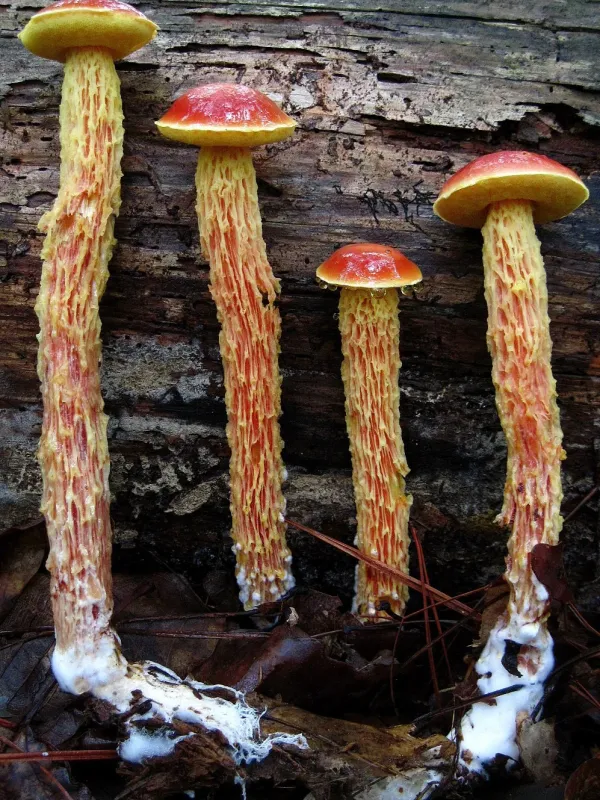
The fruit body typically features an orange-brown, often sticky cap that stands out against the forest floor. It is found growing in the vicinity of birch trees during the summer and autumn months.
A key diagnostic feature is the stipe, which is covered in coarse, sometimes patterned scales. This unique texture distinguishes it from other common boletes found in similar environments.
The pore surface is consistently bright yellow and generally does not change color when handled or bruised. The flesh remains firm and white throughout the development of the fruit body.
These mushrooms are often spotted in clearings or along the edges of birch forests where light penetration is sufficient to support both the tree and the associated fungal mycelium.
While the fruit bodies are the visible sign of the fungus, they indicate a healthy and active network of mycelium beneath the surface, interacting with the roots of the forest.
Pathogen
Heimioporus betula is a species of bolete mushroom that belongs to the Boletaceae family. It is important to emphasize that this fungus is not a plant pathogen and does not cause diseases in trees or crops.
This mushroom acts as a mycorrhizal symbiont, establishing a beneficial relationship with the root system of birch trees. It facilitates nutrient uptake and helps the host tree survive in various soil conditions.
The mycelium resides within the soil and leaf litter, maintaining a connection with the host's roots. Unlike wood-decaying fungi, it does not attack living wood or cause structural damage to the tree trunk.
Biologically, it is recognized for its unique morphological features, such as a distinctly scaly stipe and a bright yellow hymenophore. It serves as a vital component of the forest soil ecosystem.
Understanding that this species is a partner rather than a parasite is crucial for forest management. It promotes overall ecosystem health through its role in the mycorrhizal network.
Conditions for development
The development of Heimioporus betula is strictly dependent on the presence of birch trees. The fungus requires specific chemical signals from the tree roots to initiate the formation of fruit bodies.
Adequate moisture levels are essential for the fungus. Prolonged dry spells inhibit the growth of the mushroom, even if the mycelial network remains alive and healthy in the soil.
Temperature plays a significant role, with moderate summer weather being ideal for fruiting. Extreme heat or early frosts can prematurely terminate the growing season for this species.
Well-drained soil with a healthy layer of organic leaf litter is preferred. This environment provides the necessary nutrients and humidity control for the development of the fruit bodies.
The ecological health of the site is a major factor. As a mycorrhizal fungus, it thrives in balanced forest environments where the soil chemistry has not been disrupted by agricultural chemicals.
Discussion
No discussions yet — be the first.