
Gyroporus cyanescens
Gyroporus cyanescens
Description
Symptoms
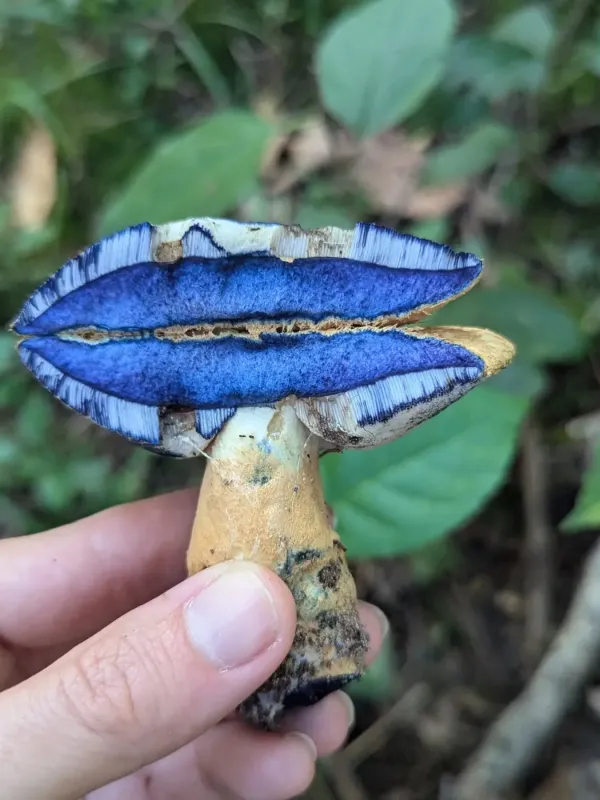
Gyroporus cyanescens, commonly known as the cornflower bolete, is a distinctive mushroom known for its rapid color change when bruised.
The cap is convex to flat, measuring 5–15 cm in diameter, with a dry, velvety surface ranging from cream to yellowish-tan in color.
Its pore surface is white initially, turning yellow with age, and stains an intense cornflower blue immediately upon handling or injury.
The stem is robust, often swollen at the base, and characterized by a chambered or hollow structure that also turns deep blue when damaged.
The flesh is white and crisp; the characteristic blue staining is a result of the chemical oxidation of the compound gyrocyanin upon exposure to air.
Pathogen
It is important to clarify that Gyroporus cyanescens is not a plant disease or a pathogen; it is a beneficial mycorrhizal mushroom.
This fungus forms a mutualistic relationship with the root systems of trees, particularly birch, helping them absorb water and essential minerals.
Unlike parasitic fungi, this species does not infect, damage, or compromise the health of its host trees in any way.
It is an essential component of forest soil health and contributes significantly to the nutrient cycling process in woodland ecosystems.
The fungus is ecologically valuable and serves as an indicator of a healthy and balanced forest environment.
Conditions for development
The cornflower bolete thrives in sandy soils within open deciduous or mixed forests, showing a preference for growing in association with birch trees.
It requires stable moisture levels to develop its fruit bodies but is sensitive to waterlogged or boggy soil conditions.
The ideal temperature range for its growth is between +16°C and +22°C during the late summer and early autumn months.
This species is highly sensitive to environmental pollution and is typically only found in pristine, undisturbed forest areas.
The fruiting season generally occurs from July through late September, depending on local precipitation and climatic patterns.
Why it matters
This fungus causes no harm to agricultural or silvicultural crops, as it does not compete for space or nutrients with living plants.
Because it is not a pathogen, it does not interfere with forest production or decrease the yield of any plant species.
In fact, its presence indicates that the soil biology is intact and supporting a healthy relationship between the vegetation and fungal networks.
There is no risk of infestation, and the mushroom is widely regarded as a desirable member of the forest mycota.
The only potential risk associated with it is misidentification, as some people may confuse it with unrelated toxic species if they lack proper training.
Protection
As Gyroporus cyanescens is not a plant disease, there are no control measures or chemical treatments required or recommended.
Instead, conservation efforts in many regions aim to protect this species, as it is often listed as threatened or rare in various red data books.
Forest management should focus on maintaining natural soil conditions and avoiding excessive use of chemicals that could disrupt mycorrhizal symbiosis.
Preserving the natural litter layer is the most effective way to ensure the long-term survival of the mycelium in its native habitat.
Responsible forest stewardship and the protection of biodiversity are the standard approaches to managing environments where this mushroom appears.
Discussion
No discussions yet — be the first.