
Chestnut bolete
Gyroporus castaneus
Description
Symptoms
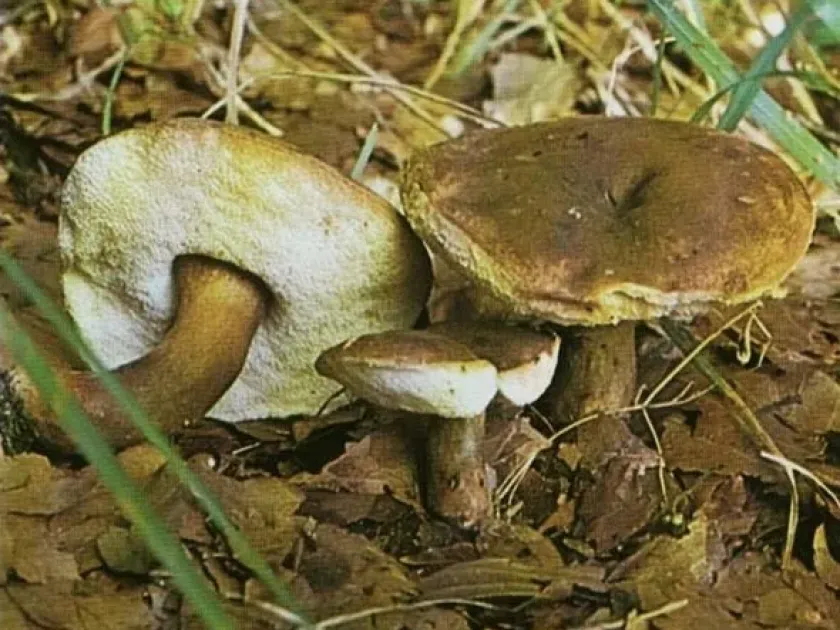
The main evidence of its presence is the growth of fruiting bodies, characterized by a smooth, chestnut-brown cap.
The stem is distinctively hollow or cavernous, which is a key identification feature distinguishing it from other boletes.
The pore surface is white when young, turning yellowish with maturity, and does not stain blue when bruised.
The mycelium forms a sheath around the fine roots of host trees, establishing a symbiotic network known as ectomycorrhiza.
There are no symptoms of plant stress, such as leaf discoloration, wilting, or necrotic lesions associated with this fungal presence.
Pathogen
The Chestnut bolete (Gyroporus castaneus) is not a plant pathogen and does not cause diseases in crops or forest trees.
It is a basidiomycete fungus belonging to the Gyroporaceae family, primarily known for its mycorrhizal associations with woody plants.
Unlike parasitic fungi that invade host tissues, this fungus lives in a mutually beneficial symbiosis with roots, exchanging nutrients.
Biologically, it functions as a decomposer and a symbiont, playing a positive role in nutrient cycling within the soil ecosystem.
It lacks the virulent mechanisms of plant pathogens, ensuring it poses absolutely no threat to agricultural or horticultural plants.
Conditions for development
The growth of this fungus is dependent on the presence of broad-leaved trees like oaks and beeches for mycorrhizal formation.
It favors well-drained, sandy or acidic soils that are rich in organic matter from decaying leaf litter.
High relative humidity and moderate temperatures during the summer and autumn months trigger the production of fruiting bodies.
The fungus is highly sensitive to soil compaction and pollution, preferring natural forest environments to thrive.
It requires stable soil conditions and the presence of leaf mold to sustain its expansive underground mycelial network.
Why it matters
The Chestnut bolete is ecologically beneficial rather than harmful, contributing to soil health and tree vigor.
There is no economic damage associated with this fungus, as it does not affect crop yield, fruit quality, or wood structural integrity.
It does not produce toxins that could inhibit the development of neighboring plants or soil microorganisms.
Misclassifying this fungus as a plant disease is an error that could lead to unnecessary and harmful interventions in natural ecosystems.
No pest management measures are required, as it is a natural part of the diverse fungal landscape.
Protection
As this species is not a pathogen, there is no need for chemical control or any other protective measures.
Management should focus on preserving the biodiversity of the ecosystem, as mycorrhizal fungi are essential for long-term tree health.
Using fungicides to eradicate beneficial fungi can destroy the symbiotic networks that plants rely on for nutrient uptake.
Landowners should encourage the growth of such mushrooms as they indicate high soil biological activity and a healthy environment.
- Maintain high soil quality without excessive chemicals.
- Protect forest litter to support root symbiosis.
- Avoid unnecessary soil disturbance in established woody areas.
Discussion
No discussions yet — be the first.