
Gyroporus
Gyroporus
Description
Symptoms
The primary identifying feature of the genus is the development of fruit bodies with a distinct tubular hymenophore. Caps can range in color from off-white to deep chestnut, often having a smooth or slightly velvety texture.
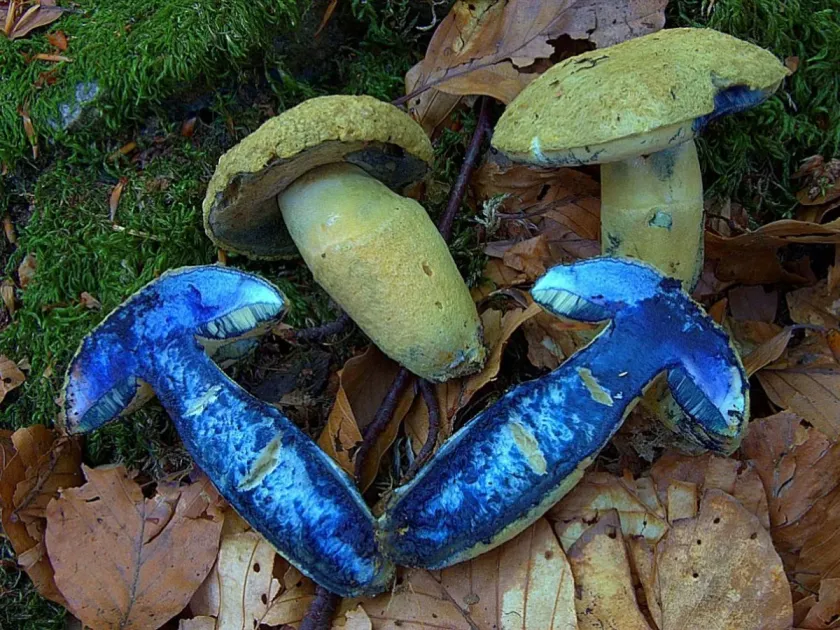
A notable characteristic is found in Gyroporus cyanescens, where the flesh turns an intense indigo-blue color when cut or bruised. This reaction is caused by the oxidation of specific compounds within the mushroom's tissues.
The stipe (stem) of these fungi is often chambered or hollow, which is a key diagnostic feature distinguishing it from other similar mushroom species. This anatomical detail is a natural trait of the genus, not a symptom of damage.
Spore prints of Gyroporus species are typically pale yellow or ochre. The fruit bodies often emerge in late summer and early autumn, appearing as solitary specimens or in small, scattered groups near host trees.
Observing the mushrooms does not imply any distress to the surrounding vegetation. Host trees remain healthy and show no signs of chlorosis, necrosis, or stunted development, confirming the non-pathogenic nature of the fungi.
Pathogen
The genus Gyroporus belongs to the family Gyroporaceae and acts as a beneficial mycorrhizal partner for forest trees. It is essential to clarify that Gyroporus species are not plant pathogens or diseases; they do not infect crops or cause decay in living plant tissues.
These fungi play a crucial role in forest ecosystems by forming symbiotic relationships with tree roots. They help trees absorb water and essential mineral nutrients, effectively contributing to the vitality and growth of the forest vegetation.
Classifying this organism as a disease is biologically incorrect. Instead, it serves as a sign of a healthy, stable forest soil environment, as these fungi are highly sensitive to anthropogenic disturbances and soil pollution.
The mycelium of Gyroporus colonizes the rhizosphere of specific host trees, such as oaks and beeches. This underground network is beneficial, enhancing soil structure and promoting biodiversity in the forest floor.
There are no known agricultural control methods for this fungus because it poses no threat to farming. Its presence in a forest area should be viewed as an indicator of an ecosystem that is functioning in balance with nature.
Conditions for development
Gyroporus species thrive in sandy or well-drained loamy soils. They require areas with good aeration and balanced humidity, typically found in open forests, glades, or along woodland paths where sunlight can reach the ground.
The optimal temperature for the development of fruiting bodies ranges between 18°C and 24°C. Excessively wet or waterlogged soils are generally unsuitable for this genus, as it favors environments where the substrate remains breathable.
The timing of fruit body production is seasonal, closely linked to moderate rainfall and stable soil temperatures. Drought conditions may force the mycelium into a dormant state, but it remains viable in the soil for extended periods.
Mycorrhizal association is vital; these fungi are almost exclusively found in association with specific tree species. Without the presence of their symbiotic tree hosts, the fungi are unable to complete their reproductive cycle.
Environmental stability is the most critical factor for the persistence of Gyroporus. Soil compaction, deep tillage, or the application of synthetic fungicides will rapidly eliminate the mycelium from a specific location.
Discussion
No discussions yet — be the first.