
Gyromitra leucoxantha
Gyromitra leucoxantha
Description
Pathogen
Gyromitra leucoxantha is a fungal species belonging to the Discinaceae family. While it is primarily recognized as a saprotrophic organism, it often appears in environments adjacent to agricultural fields and forest nurseries.
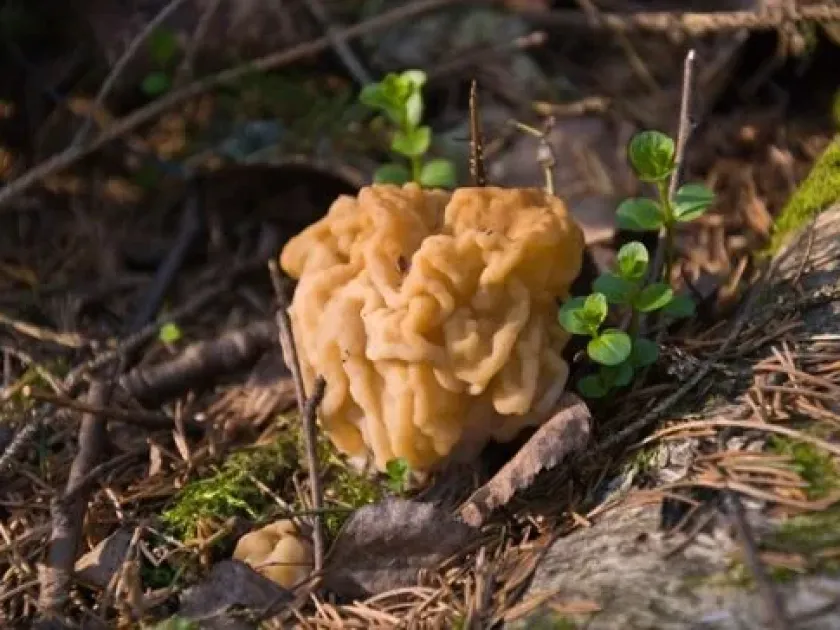
The fungus is characterized by its distinct, brain-like, creamy-yellow fruiting bodies. From a botanical perspective, it is an ascomycete that relies on decomposing organic matter to complete its life cycle.
Although it does not typically act as a primary pathogen causing necrotic disease in mature crops, its presence in soil can indicate poor aeration and high moisture content, which are detrimental to many root systems.
The biology of this species is centered on the rapid decomposition of forest litter. In agro-ecosystems, the mycelium can persist in the soil for several years if favorable conditions, such as high organic content, are maintained.
Understanding its ecological role is crucial for agronomists, as the fungus often serves as a bio-indicator for soil acidity and moisture levels, influencing the overall balance of soil microbiota.
Conditions for development
Gyromitra leucoxantha thrives in cool, moist conditions, typically manifesting in early spring. It prefers soils with high levels of partially decomposed organic debris, such as mulch or wood chips.
The optimal temperature range for the development of its fruiting bodies is between 5°C and 15°C. Prolonged wet weather significantly accelerates the spread of its spores across soil surfaces.
Soil acidity is a determining factor for the success of this fungus. It shows a preference for slightly acidic to neutral soils, which are commonly found in shaded areas or forest-border fields.
Anthropogenic factors, including over-irrigation and the application of non-composted manure, create perfect conditions for the establishment of the fungal colony in agricultural settings.
Increased humidity levels, resulting from poor drainage or persistent rain, ensure that the fungal mycelium remains active throughout the initial growth phase of spring crops.
Why it matters
The primary concern regarding this fungus is its ability to outcompete crops for essential soil nutrients. By rapidly mineralizing organic matter, it can alter the nutrient availability for surrounding plants.
The secretion of metabolic byproducts during its growth phase can have an allelopathic effect, potentially inhibiting the germination and early development of sensitive vegetable and grain crops.
In forest nurseries, the presence of this species can stress young saplings by disrupting the symbiotic relationship between plant roots and beneficial mycorrhizal fungi.
Heavy infestations of the mycelium can lead to the localized depletion of oxygen in the root zone, which negatively impacts the physiological health and growth rate of young plants.
Financial losses occur when the presence of this fungus requires additional soil management or chemical intervention, increasing the cost of production in high-value garden beds.
Protection
Effective management begins with improving soil drainage. Eliminating standing water is the most critical step in preventing the establishment of a robust fungal colony in the root zone.
Cultural practices such as deep tillage and the removal of organic debris from the surface significantly disrupt the mycelial network. Maintaining clean, well-aerated soil is key to long-term prevention.
Adjusting soil pH through liming can make the environment less favorable for this species. Regularly monitoring soil health ensures that nutrient levels are optimized for crops rather than fungal growth.
If chemical intervention is necessary, broad-spectrum fungicides should be applied according to local regulations. These treatments are most effective when applied early in the spring as a preventative measure.
- Use composted manure rather than raw material.
- Implement proper crop rotation to maintain soil balance.
- Ensure good air circulation within the canopy of small-scale garden plants.
Discussion
No discussions yet — be the first.