
False morel
Gyromitra esculenta
Description
Symptoms
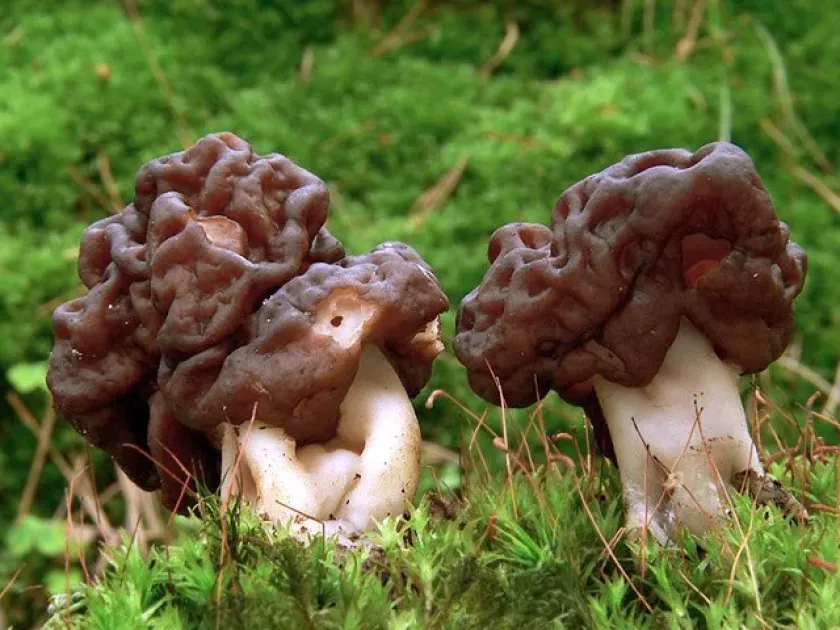
The most distinctive sign is the appearance of brain-like, wrinkled fruiting bodies that range from deep brown to reddish-brown in color, emerging from the soil surface.
In the soil, the presence of the fungus is often signaled by a network of white or grey hyphae that may intertwine with decomposing plant debris and wood chips.
Cultural plants may exhibit reduced vigor or stunted growth if the fungus effectively competes for space and nutrients within the rhizosphere.
Presence of the fungus is often identified near decaying conifer stumps or areas rich in wood mulch, where the mycelium finds sufficient carbon sources.
Soil structural changes, such as increased fluffiness due to the breakdown of organic material by fungal enzymes, can be observed in areas where the fungus is concentrated.
Pathogen
The false morel (Gyromitra esculenta) is an ascomycete fungus belonging to the Discinaceae family. While primarily a forest fungus, its occurrence in gardens and managed landscapes poses challenges to soil health and safety.
It acts as a saprotroph, decomposing organic matter, but it is also known for forming mycorrhizal associations with coniferous trees, which can alter the nutrient uptake of nearby plants.
The primary hazard of this species is the production of gyromitrin, a volatile toxin that can persist in the soil and potentially affect the local soil microbiome.
The biological cycle of Gyromitra esculenta is characterized by spore dispersal via wind and rain, allowing it to colonize new areas that have suitable substrate and moisture levels.
Active mycelium growth typically begins in the early spring, coinciding with the thaw, making it an early-season factor in soil biological activity.
Conditions for development
The false morel prefers acidic, sandy, or loamy soils that maintain high moisture content throughout the early spring season.
Temperatures ranging from +5 to +15 degrees Celsius are ideal for the rapid development of the fruiting bodies and the expansion of the underground mycelial network.
High concentrations of conifer bark, wood chips, and organic mulch create the perfect environment for this fungus to establish and propagate effectively.
Shaded, damp corners of a plot that do not receive direct sunlight are prone to fungal colonization because they retain the moisture necessary for fungal life cycles.
Poor soil drainage and the accumulation of woody debris are primary factors that facilitate the colonization and long-term survival of the fungus in a garden setting.
Why it matters
The foremost risk is the severe toxicity of the fruiting bodies, which poses a significant health threat to humans and animals if handled or consumed.
From an agronomic perspective, the dense growth of the mycelium can outcompete beneficial soil microorganisms, disrupting the natural mineralization process.
The release of metabolic toxins into the soil can negatively impact the germination and root development of delicate crops planted in the vicinity.
The persistent presence of the mycelium can alter soil pH, necessitating corrective measures such as liming to restore optimal conditions for conventional crops.
Contamination of the soil with fungal spores makes it difficult to maintain standard horticultural practices without additional effort to suppress the fungal growth.
Protection
Effective prevention involves the systematic removal of woody debris, especially conifer bark and wood chips, which serve as the primary fuel for fungal growth.
Regular cultivation and aeration of the topsoil help disrupt the mycelium and expose it to conditions that prevent its proliferation in the spring.
Modifying the soil pH through liming can create an environment that is less hospitable to the growth and reproduction of Gyromitra esculenta.
Mechanical removal of emerging fruiting bodies, followed by proper disposal, is essential to reduce the total spore load for future growth cycles.
In cases of severe infestation, targeted application of appropriate fungicides can be used, provided that safety guidelines for garden environments are strictly followed.
Discussion
No discussions yet — be the first.