
Gyromitra
Gyromitra
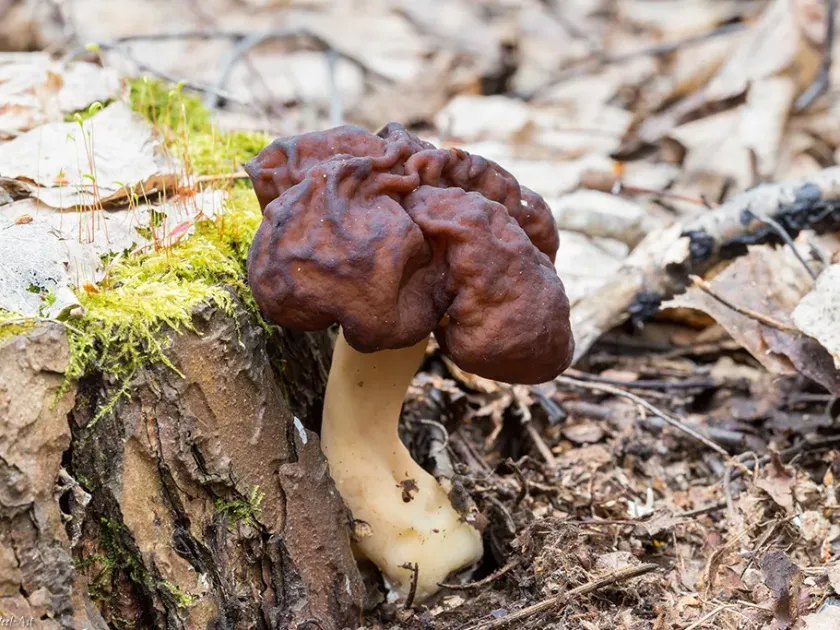
Description
Pathogen
The genus Gyromitra, commonly known as the false morel, consists of ascomycete fungi that typically thrive as saprotrophs in soil enriched with organic matter, particularly near decomposing wood.
While not a direct parasite of agricultural crops in the traditional sense, the fungus interacts with the soil ecosystem in ways that can negatively affect plant growth and health in forest nurseries.
The mycelium of Gyromitra breaks down complex organic compounds like cellulose and lignin. This biological activity alters the chemical balance of the substrate, potentially affecting the availability of nutrients to developing root systems.
These fungi reproduce through spores disseminated primarily by wind and insects. Their rapid colonization of suitable substrates allows them to become established in areas where soil hygiene has been neglected.
The presence of these fungi often indicates an imbalance in soil microbiology, characterized by high acidity and excessive accumulation of organic debris in the upper soil layers.
Conditions for development
Favorable conditions for the development of Gyromitra include high soil moisture levels and cool, humid spring temperatures typically ranging between 5 and 15 degrees Celsius.
The fungus shows a strong preference for acidic soils with a high concentration of conifer debris or decaying stumps from recent deforestation or land clearing.
Poor agricultural practices, such as failing to remove root remnants and woody debris after clearing fields, provide the ideal environment for these fungi to flourish.
Excessive irrigation combined with poor drainage can create the persistent damp conditions that are essential for the sustained activity of the fungal mycelium.
The growth cycle is highly responsive to seasonal shifts; wet winters followed by a mild spring usually lead to widespread appearance of the fruit bodies across infested sites.
Why it matters
The primary concern regarding Gyromitra in agriculture is the allelopathic impact of its metabolic byproducts, which can inhibit the elongation of young roots in seedlings.
In nursery settings, the colonization of the rhizosphere by this fungus is associated with reduced seedling vigor and increased sensitivity to other biotic stressors.
The fungal mycelium can physically and chemically compete with crop root systems for limited nitrogen and phosphorus, slowing down the overall development of the plants.
Furthermore, the high toxicity of the fruit bodies poses a safety hazard for field workers if they inadvertently come into contact with or ingest the mushrooms during maintenance tasks.
Persistent infestations can contribute to soil sickness, necessitating intensive soil remediation efforts before a new crop cycle can be successfully initiated.
Protection
Effective management begins with rigorous field sanitation, specifically the removal of all rotting stumps, woody materials, and organic waste before planting operations begin.
Amending soil pH through liming is a highly effective preventative measure, as Gyromitra species are significantly inhibited by neutral or slightly alkaline soil conditions.
Mechanical control, such as deep plowing, is essential to disrupt the mycelial network and bury organic substrates, preventing the fungus from fruiting successfully.
Integrating biological controls that foster beneficial mycorrhizal fungi can help stabilize the rhizosphere and outcompete saprotrophic invaders like Gyromitra.
- Field sanitation and debris removal.
- Soil pH adjustment (liming).
- Deep tillage practices.
- Improving soil drainage systems.
- Crop rotation.
Discussion
No discussions yet — be the first.