
Gypsoplaca
Gypsoplaca
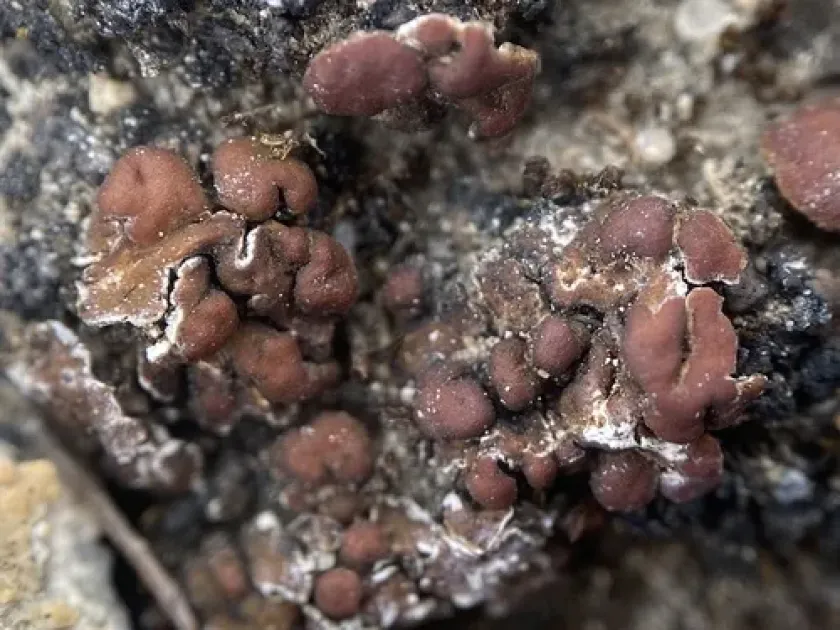
Description
Pathogen
Gypsoplaca is a genus of lichens, not a plant pathogen or a disease-causing agent. These organisms, specifically Gypsoplaca macra, are terrestrial lichens that grow on soil surfaces, often in gypsum-rich or saline environments.
As a biological complex, it consists of a fungal partner (mycobiont) and an algal partner (photobiont). Unlike parasitic fungi that attack agricultural crops, Gypsoplaca is a self-sufficient organism that does not extract nutrients from living plant tissues.
These lichens belong to the Acarosporaceae family. They are characterized by a squamulose (scaly) thallus that adheres tightly to the ground. They do not penetrate plant tissues and are not involved in plant disease cycles.
In agricultural science, distinguishing between phytopathogenic fungi and benign soil lichens is crucial for accurate field diagnostics. Mistaking a lichen for a mold or pathogen can lead to unnecessary and costly chemical applications.
The presence of Gypsoplaca is an indicator of soil stability and specific edaphic conditions. It serves more as a bioindicator of land health in arid regions than as a threat to yield.
Conditions for development
Gypsoplaca requires stable, undisturbed soil surfaces to thrive. It is typically found in arid or semi-arid environments, particularly on alkaline soils with high gypsum content where competition from vascular plants is low.
Intensive tillage and mechanical soil disturbance are the primary limiting factors for the growth of this genus. Regular plowing or harvesting operations prevent the formation of lichen crusts.
The organism is highly adapted to extreme temperature fluctuations and long periods of water scarcity. It utilizes periods of dew and high humidity to resume metabolic activity after dormancy.
Reproduction and dispersal occur primarily through the spread of thallus fragments or spores. These are moved by wind and surface water flow to colonize suitable microsites on the soil crust.
Environmental conditions that favor Gypsoplaca are generally hostile to most intensive monocrop agricultural practices, resulting in a distinct geographical separation between the lichen and crop zones.
Why it matters
Gypsoplaca causes zero harm to agricultural crops. It does not possess the mechanisms to infect, colonize, or damage the roots, leaves, or stems of commercial plants.
On the contrary, soil lichens like Gypsoplaca provide ecosystem services by creating biological soil crusts. These crusts help stabilize the surface, reducing wind erosion and increasing moisture retention in topsoil.
Since the organism is non-pathogenic, there are no harm thresholds or economic damage models associated with its presence. It does not reduce crop yields or affect the market quality of the harvest.
There are no control measures recommended because Gypsoplaca is not a pest. Management efforts should focus on controlling actual fungal pathogens rather than harmless lichen communities.
Professional agronomists should recognize Gypsoplaca as part of the natural soil biota. Preserving soil biodiversity, including such organisms, is beneficial for long-term soil health and ecosystem stability.
Discussion
No discussions yet — be the first.