
Gymnopilus penetrans
Gymnopilus penetrans
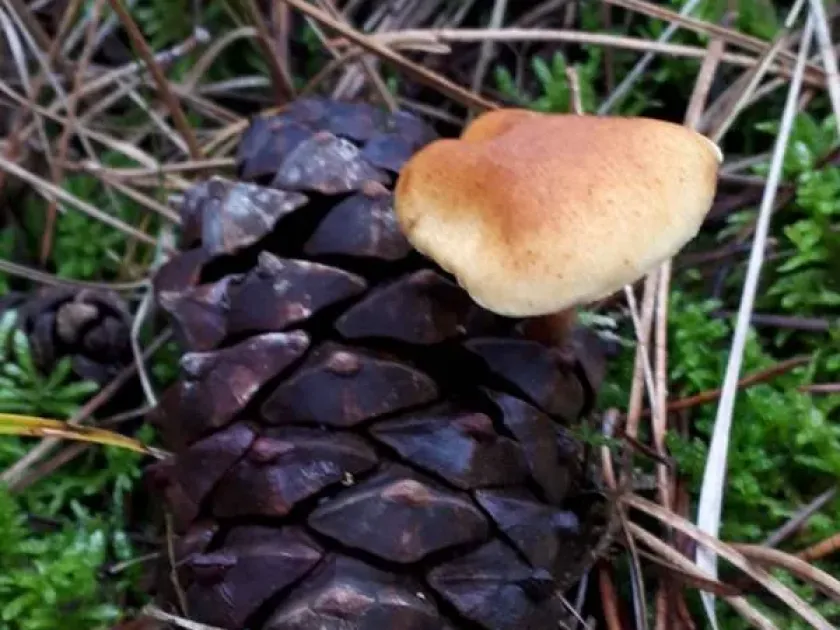
Description
Pathogen
Gymnopilus penetrans is a wood-decaying fungus belonging to the Strophariaceae family, known for causing brown rot in coniferous wood.
The fungus acts as a saprotroph, but it can also colonize weakened living trees, effectively functioning as an opportunistic pathogen in forests.
It secretes powerful enzymes that break down cellulose and lignin, which are the main structural components of the wood, leading to rapid deterioration.
The fungus develops fruit bodies that appear in clusters, often showcasing a yellowish-brown cap, which helps in the dispersal of spores via air currents.
The mycelium of Gymnopilus penetrans is highly resilient and can persist within wood for several years, allowing it to survive long periods of unfavorable conditions.
Conditions for development
The development of this fungus is primarily favored by the presence of moist coniferous wood, such as spruce, pine, or fir, in contact with the ground.
Temperatures ranging from 15 to 25 degrees Celsius provide the ideal metabolic environment for the fungus to spread its mycelial network within the timber.
High humidity levels are essential, as the fungus requires significant moisture to thrive and produce its reproductive structures (sporocarps).
Mechanical wounds on the bark of trees, whether caused by wildlife, weather, or human activity, serve as entry points for the fungal spores.
Lack of proper forest management, including unremoved logging residues and stumps, creates the perfect breeding ground for colonization and subsequent spreading.
Why it matters
Gymnopilus penetrans causes a type of decay known as brown rot, where the wood loses its structural integrity and becomes brittle and friable.
The wood typically fractures into cubical chunks when decaying, rendering it absolutely useless for construction or structural purposes.
In forest ecosystems, it contributes to windthrow by weakening the root systems and the base of the tree trunks, leading to significant economic losses.
In nurseries and gardens, the fungus can infect tree wounds, eventually compromising the long-term health and stability of the infected specimen.
The presence of this fungus signifies a decline in the quality of the timber stand and can act as an indicator of poor forest hygiene.
Protection
Sanitation is the most effective management strategy, which includes the prompt removal of stumps, deadwood, and infected trees to eliminate the source of inoculum.
Applying wound dressings or fungicidal pastes to fresh cuts after pruning is essential to prevent spores from entering the wood tissue.
Maintaining tree vitality through appropriate site preparation and irrigation helps the trees resist secondary infections from wood-decaying fungi.
If fruit bodies are identified, they should be removed and destroyed to prevent the further release of spores into the immediate environment.
- Regular inspection of woody plants for signs of decay.
- Disinfection of pruning tools to prevent cross-contamination.
- Proper disposal of infected wood material by burning.
Discussion
No discussions yet — be the first.