
Gymnoascus reessii
Gymnoascus reessii
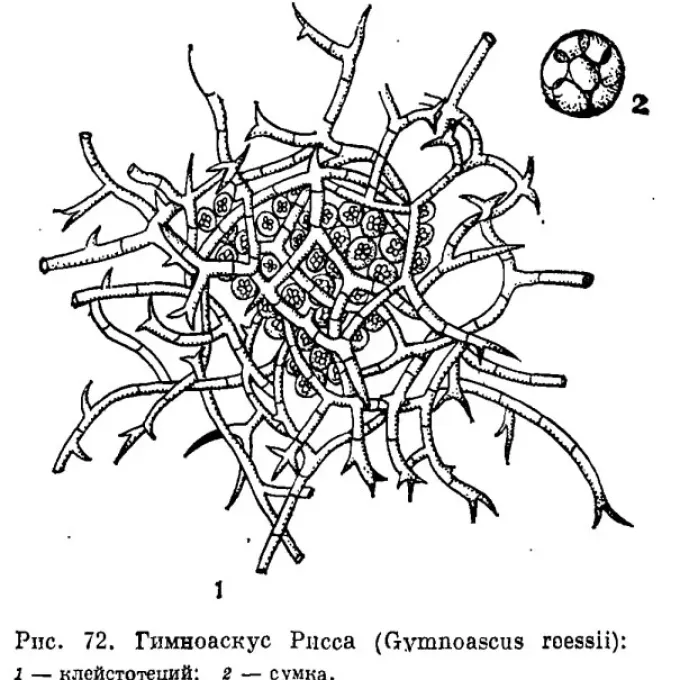
Description
Pathogen
The disease is caused by the ascomycete fungus Gymnoascus reessii, which primarily functions as a saprotroph but can act as an opportunistic pathogen.
It belongs to the order Gymnoascales, characterized by the development of gymnothecia, which are small, net-like structures containing spores.
The fungus is highly adept at decomposing cellulose and other complex organic materials present in crop residues within the soil environment.
Its biological cycle includes both asexual spore production and sexual reproduction, which contributes to its genetic diversity and environmental resilience.
Under favorable conditions, the mycelium rapidly colonizes substrates, effectively competing with other microorganisms for nutritional resources.
Conditions for development
High moisture levels and an accumulation of decaying organic matter are the primary drivers for the growth and spread of this fungal pathogen.
Optimal development occurs at soil temperatures ranging from +15°C to +25°C, coupled with poor aeration and high relative humidity.
The fungus is particularly persistent in fields where crop residues are left on the surface, providing a constant food source and protection.
Prolonged rainy periods create a microclimate that facilitates the germination of spores and the infection of emerging seedlings.
Lack of proper soil management, such as insufficient tillage, encourages the survival of the pathogen throughout the off-season.
Why it matters
The primary damage is observed at the seedling stage, where the fungus reduces seed germination and causes pre-emergence damping-off.
Infection of the root system stunts plant growth, leading to reduced vigor and making crops susceptible to secondary abiotic stresses.
Secondary infections of mature plant parts or harvested produce cause tissue degradation, leading to significant post-harvest losses.
The presence of the fungus in the soil leads to an uneven stand of crops, which complicates maintenance and harvesting operations.
Significant economic losses occur when environmental conditions coincide with susceptible growth stages of high-value crops.
Protection
Implementing a diverse crop rotation is a highly effective cultural practice to reduce the population of Gymnoascus reessii in the soil.
Seed treatment with professional-grade fungicides provides essential protection for seedlings during the initial phases of germination.
Deep plowing and proper management of crop residues ensure that organic matter is broken down rapidly, reducing the survival of fungal inoculum.
Maintaining adequate soil drainage prevents the high-moisture conditions that are necessary for the fungus to establish itself and proliferate.
Regular sanitation in greenhouses and storage facilities, including the disinfection of tools and soil, is critical for disease suppression.
Discussion
No discussions yet — be the first.