
Gonatobotryum fuscum
Gonatobotryum fuscum
Description
Pathogen
Gonatobotryum fuscum is a parasitic fungus belonging to the group of imperfect fungi (Deuteromycetes). This organism is known as a mycoparasite, which thrives by colonizing and feeding on other fungi.
Its primary hosts in forest ecosystems are typically species of the genus Graphium and other ascomycetes, which are responsible for causing necrosis and bark diseases in trees. It functions as a biological regulator of other fungal populations.
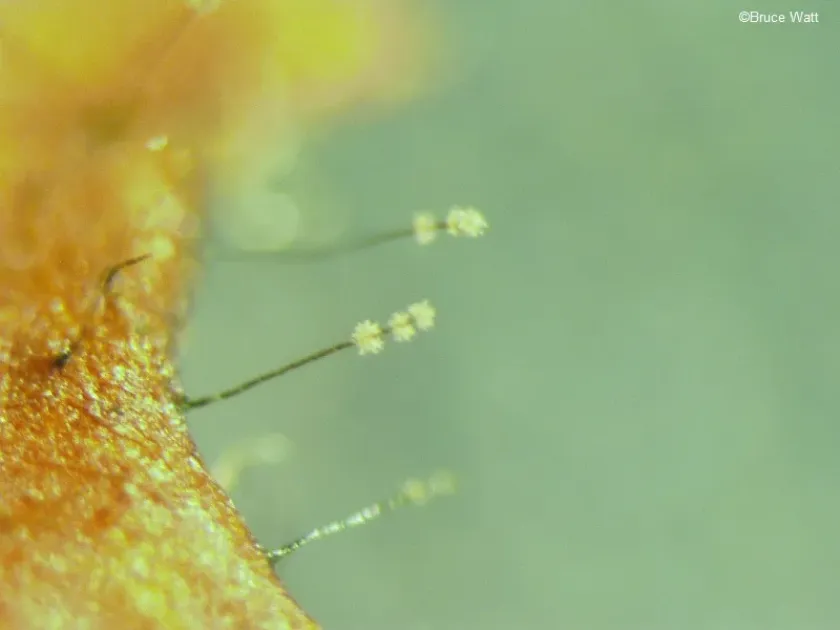
The fungus manifests as brown or dark-colored mycelial patches on the surface of infected plant tissues. These patches are actually the fruiting bodies of the fungus, producing conidia on specialized conidiophores.
A distinctive feature of Gonatobotryum fuscum is the presence of swollen nodes on its conidiophores, where clusters of spores are attached. This unique morphology is essential for the accurate identification of the species under a microscope.
The biological cycle of this fungus is strictly tied to the presence of its host fungi. Because it is a secondary pathogen, it lacks the ability to directly infect healthy plant tissues, relying instead on existing damage to establish itself.
Conditions for development
The development of Gonatobotryum fuscum is heavily dependent on high humidity and stable temperatures. It thrives in shaded, damp forest environments or in dense tree plantings where air circulation is restricted.
High relative humidity (often exceeding 80%) is a critical requirement for the germination of conidia. Damp conditions facilitate the rapid spread of the fungus across the surface of the primary pathogen's mycelium.
The ideal temperature for its activity ranges within the moderate limits common in spring and autumn. During dry summer periods, the fungus significantly slows down its physiological activity and enters a dormant phase.
Spore dissemination occurs passively through wind currents, rain splashes, or interactions with insects. These vectors ensure that the fungus can colonize new necrotic sites within a stand relatively quickly.
Poor agricultural practices, such as lack of thinning in crowded orchards or neglected sanitation in forest nurseries, create an optimal microclimate that sustains a persistent reservoir of this pathogen.
Why it matters
The damage caused by Gonatobotryum fuscum is mainly indirect, as it complicates the phytosanitary diagnosis of the primary disease. By covering existing lesions, it masks the severity of the primary infection.
While it does not kill the host tree directly, its presence is a clear indicator of poor overall plant health. It imposes additional physiological stress on the bark and cambium layers of the host.
Dense growth of the fungus on tree bark and branches can impede gas exchange, which may slow down the natural wound-healing processes in trees. This is particularly harmful to young or already weakened specimens.
In commercial agriculture, the fungus can interfere with biological control programs by suppressing beneficial microorganisms. This conflict requires additional efforts to restore a balanced microbial community.
Economic damage is largely associated with the need for intensified monitoring and the costs involved in carrying out intensive sanitation measures to prevent the primary disease from spreading further.
Protection
Controlling Gonatobotryum fuscum is best achieved through comprehensive sanitation. The most effective method is the timely removal and proper disposal of infected wood and bark sections from the affected trees.
Improving air circulation by pruning and thinning crowns helps to lower humidity, making the environment less hospitable for fungal growth. Keeping the planting area clean of debris is also a vital preventive step.
Using broad-spectrum fungicides as part of an integrated pest management program can help suppress the spread of both the primary pathogen and its mycoparasite. Copper and sulfur-based products are often effective.
Protecting trees from mechanical damage and insect infestations is essential, as these create the entry points that the primary pathogen needs to become established, which in turn attracts Gonatobotryum fuscum.
- Regular phytosanitary inspection of tree stands.
- Disinfection of pruning tools and surgical wounds on trunks.
- Ensuring proper spacing and ventilation for plants.
- Prompt disposal of dead wood and infected tree parts.
Discussion
No discussions yet — be the first.