
Powdery mildew
Golovinomyces orontii
Description
Symptoms
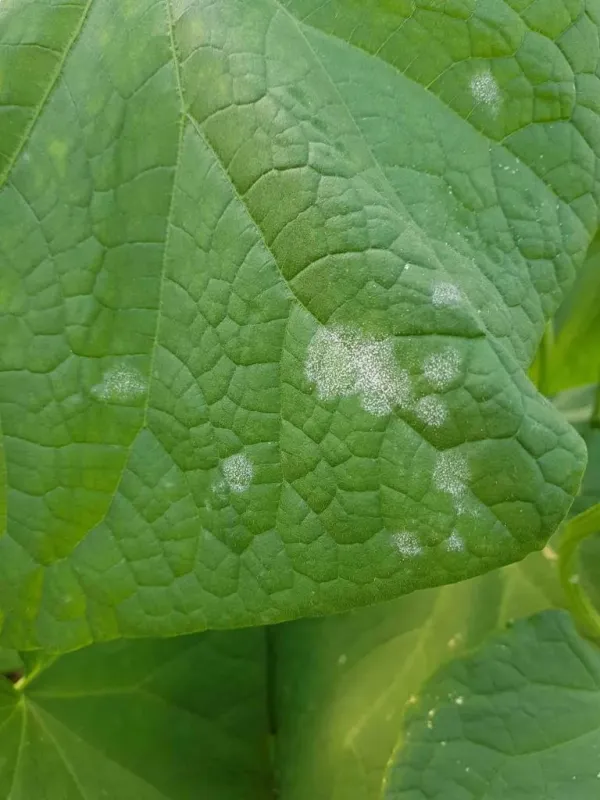
The initial symptom is the appearance of small, white, circular patches on the upper surface of the leaves, which gradually increase in size.
As the infection progresses, these spots coalesce to cover the entire leaf surface with a characteristic white, powdery, fungal mycelium.
Severely infected leaves turn yellow, become brittle, curl upwards, and eventually die prematurely, leading to significant defoliation.
Stems and petioles can also be colonized by the fungus, further compromising the structural integrity and nutrient transport of the plant.
- White powdery fungal growth
- Yellowing and necrosis of leaves
- Stunted plant growth and development
- Premature fruit dropping
Pathogen
The causative agent of this disease is the fungus Golovinomyces orontii, an obligate parasite that feeds on plant cells using specialized structures called haustoria.
This pathogen belongs to the Erysiphaceae family and manifests as a fungal infection that develops primarily on the surface of plant tissues.
Reproduction occurs via asexual spores called conidia, which are easily disseminated by wind currents, allowing the pathogen to spread rapidly across fields.
The fungus can overwinter in plant debris or on alternative weed hosts, ensuring its survival and re-infection the following growing season.
Golovinomyces orontii has a broad host range, infecting various vegetable crops including cucumber, squash, tomato, and pepper, which presents a constant agricultural challenge.
Conditions for development
Powdery mildew development is favored by warm, dry weather conditions alternating with periods of high humidity during the night.
Poor ventilation and high plant density in greenhouses create the optimal microclimate for the rapid multiplication of the fungal pathogen.
Plants grown under low-light conditions tend to have thinner cell walls, making them more susceptible to the penetration of the fungus.
Excessive nitrogen fertilization promotes rapid, succulent growth that is highly attractive and vulnerable to the colonizing hyphae of the fungus.
The absence of regular irrigation or conversely, extreme fluctuations in soil moisture, can stress plants and increase their susceptibility to powdery mildew.
Why it matters
The primary economic harm stems from the loss of photosynthetic leaf area, which directly correlates to reduced yields and inferior produce quality.
Infected plants suffer from disrupted metabolic processes, leading to smaller, less flavorful fruits that do not meet market standards.
High levels of infection can cause total loss of certain crops if environmental conditions remain favorable for the pathogen's development.
Weakened plants are significantly more prone to secondary bacterial infections and environmental stress, leading to overall plot failure.
Yield reductions in untreated fields can range from 30% to 50%, significantly impacting the profitability of vegetable farming operations.
Protection
Proactive management includes the removal and destruction of all infected plant material at the end of the season to reduce inoculum levels.
Improving air circulation through proper spacing and pruning techniques is essential to prevent the buildup of humidity around the leaves.
Selecting and planting resistant or tolerant cultivars is the most sustainable strategy for managing powdery mildew in both home and commercial gardens.
Applying fungicides based on sulfur or specific systemic compounds is necessary once the infection threshold is reached or exceeded.
Integrated pest management (IPM) practices, such as the use of biological control agents and balanced fertilization, can effectively keep the disease in check.
Discussion
No discussions yet — be the first.