
Gloeosporium rot
Gloeosporium
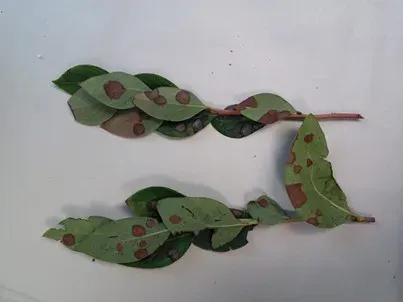
Description
Symptoms
Gloeosporium rot is primarily identified by the appearance of brown or dark spots on the fruit surface. These spots eventually depress, forming concentric rings of fungal spores.
The flesh beneath the spots develops a characteristic bitter taste and a distinct brown rot texture. If left untreated, the entire fruit can become completely rotten.
On branches and shoots, the infection manifests as sunken lesions and bark cracks. These injuries can encircle the branch, leading to the death of distal parts.
Infected leaves often show small necrotic spots, causing premature senescence and abscission. This significantly reduces the tree's photosynthetic capacity before winter.
During periods of high humidity, cream or pinkish spore masses become visible on the surface of the lesions. This facilitates the secondary spread of the pathogen.
Pathogen
The disease is caused by fungi of the Gloeosporium genus, which are common plant pathogens. They act as necrotrophic parasites, feeding on host tissues.
The pathogen overwinters as mycelium in cankers on tree branches and in mummified fruits. It is highly adapted to surviving in bark crevices and orchard debris.
Conditions for development
Optimal conditions for disease development include prolonged periods of rainfall and moderate temperatures. Moisture is essential for the germination of fungal spores.
Poor orchard hygiene and inadequate canopy thinning create a favorable microclimate for the spread of Gloeosporium. Lack of airflow prevents foliage from drying out quickly.
Why it matters
The economic impact is severe due to direct crop loss both in the orchard and during post-harvest storage. It is a major cause of latent infections that emerge after picking.
Persistent infestation weakens the overall vigor of the trees. Reduced tree health over several seasons results in lower yields and increased susceptibility to other pathogens.
Protection
Preventative measures must focus on orchard sanitation. This includes the removal of dead wood and the prompt collection of mummified fruits from the ground and trees.
Fungicide applications are crucial during wet weather windows to protect the crop. Integrated pest management practices should be followed to reduce inoculum pressure.
- Regular pruning to improve light and air penetration
- Removal and destruction of infected plant debris
- Balanced fertilization to boost tree vitality
- Wound protection on tree trunks and limbs
- Post-harvest treatment to prolong storage life
Discussion
No discussions yet — be the first.