
Gloeophyllum sepiarum
Gloeophyllum sepiarum
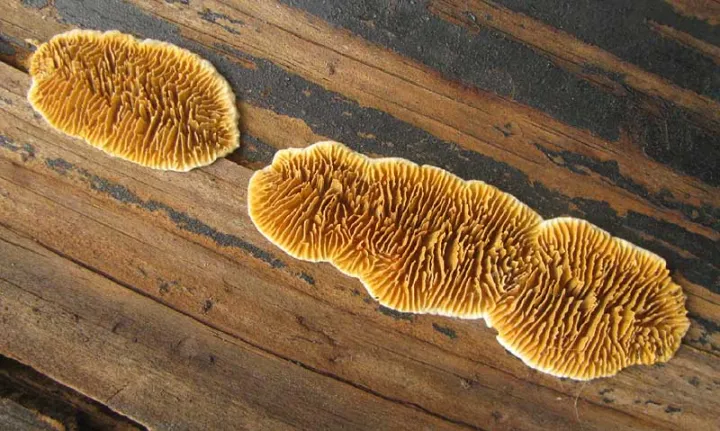
Description
Symptoms
The primary symptom of an infection is a significant color shift in the wood, turning it into a dark brown shade. The structural integrity of the material begins to diminish rapidly.
Advanced stages of decay result in the wood breaking into small cubes due to deep longitudinal and transverse cracking. This is known as cubical brown rot.
Fruiting bodies emerging from the wood surface indicate an established infection. These structures can survive long periods of dryness, making them highly persistent.
The fungus predominantly affects coniferous wood, though it can occasionally colonize deciduous trees. It is frequently observed on fence posts, exterior beams, and wooden bridges.
Because the mycelium grows internally, the decay might be well-advanced before any external fruiting bodies become visible to the naked eye.
Pathogen
Gloeophyllum sepiarum is a wood-decay fungus belonging to the division Basidiomycota. It is a well-known pathogen responsible for causing brown rot in various timber species.
This fungus is a specialist xylotroph that decomposes cellulose and hemicellulose. It leaves behind lignin, which causes the wood to darken and eventually crumble into a powdery substance.
The fruiting bodies of the fungus are typically fan-shaped or bracket-like, often growing in clusters. They possess a leather-like texture and exhibit vibrant reddish-brown or ochre colors.
The hymenophore of this fungus is lamellate (gilled), although the gills can sometimes appear maze-like. This distinct feature is highly useful for taxonomic identification in the field.
Reproduction occurs via spores which are wind-dispersed. These spores are highly resilient and can colonize small cracks or defects in wood that is exposed to the elements.
Conditions for development
Gloeophyllum sepiarum is remarkably tolerant to extreme environmental conditions. It can endure severe drought by entering a dormant state until moisture levels rise again.
Optimal growth occurs at temperatures ranging between 20 and 30 degrees Celsius. It thrives in well-aerated environments, which explains its prevalence on exterior wood surfaces.
Moisture content in wood is a critical factor for colonization. Timber with a moisture level exceeding 20% is highly susceptible to spore germination and mycelial growth.
The fungus is photophilic, meaning it prefers light. It often targets the sun-exposed sides of wooden structures, where other fungi might struggle to establish themselves.
Inadequate ventilation and direct contact with soil or standing water create perfect conditions for this pathogen to proliferate and destroy wooden components.
Why it matters
The fungus causes severe structural damage by depleting the mechanical strength of the wood. This can lead to the collapse of affected wooden structures or supporting elements.
It poses a significant threat to agriculture and residential properties. Once wood is colonized by this fungus, it rapidly loses its load-bearing capacity and aesthetic value.
Unlike some other types of decay, brown rot caused by Gloeophyllum sepiarum is irreversible. The material cannot be salvaged and usually requires complete replacement.
The spores act as a constant source of infection for surrounding structures. Neglecting a single infected post can lead to a systemic failure of all wooden elements in the area.
Economic losses are compounded by the fact that the fungus remains viable even in dry, treated wood if the protective barrier is compromised by physical weathering.
Protection
The most effective strategy is the preventative application of high-quality wood preservatives. These chemicals create a barrier that inhibits spore germination.
Proper storage is essential for new lumber. Materials should be kept dry, elevated off the ground, and stored in well-ventilated areas to prevent accidental moisture accumulation.
If an infection is detected, the affected wood must be removed immediately, including a margin of sound wood around the visible decay to ensure all mycelium is eradicated.
It is strictly recommended to burn all infected wood debris. Burying or reusing affected material spreads the pathogen to other parts of the property or the soil.
Regular maintenance, including painting or sealing the wood, helps prevent cracks where spores could land and thrive. Frequent inspections are vital for long-term structural health.
Discussion
No discussions yet — be the first.