
Gloeophyllum abietinum
Gloeophyllum abietinum
Description
Symptoms
The primary symptom of infection is the browning of the wood, followed by the development of deep cracks across the grain. This results in the wood breaking into small, distinct cubical pieces when stressed.
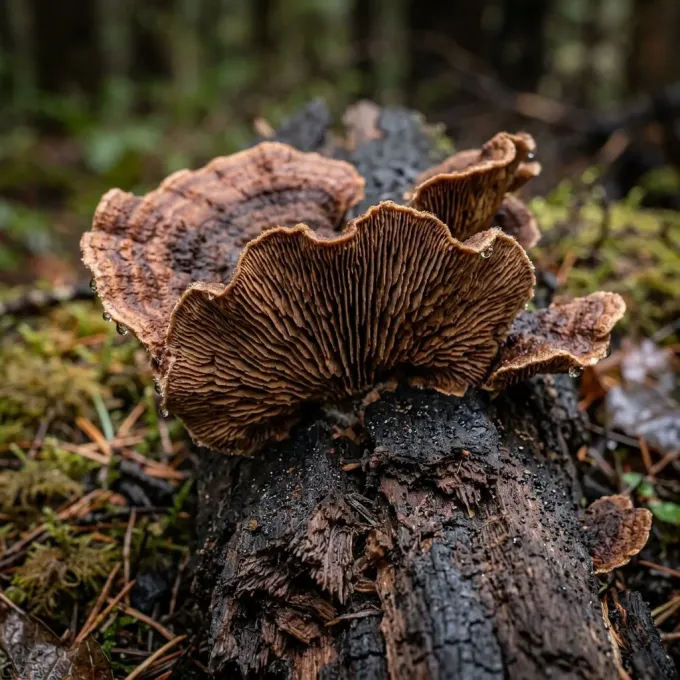
Distinctive fruiting bodies appear on the surface of the infected material. These are dark-brown, tough, bracket-like structures with a lamellate (gilled) underside that serves as the spore-producing surface.
Heavily decayed wood loses its density and becomes extremely lightweight. When handled or subjected to pressure, the wood often crumbles or collapses due to the complete loss of its structural strength.
A musty fungal odor often accompanies the growth of this fungus, especially in high-humidity environments. Surface growth may also present as a thin, powdery layer of spores in the later stages of decay.
In structural timber, advanced stages are identified by sagging beams or structural failures. Because the rot often develops internally, the external appearance might look deceptively intact until the wood collapses under weight.
Pathogen
Gloeophyllum abietinum is a wood-decay fungus belonging to the Basidiomycetes phylum. It acts as a specialized pathogen that thrives on coniferous wood, causing severe structural degradation through enzymatic decomposition.
The fungus secretes enzymes that break down cellulose and lignin, the primary components of wood cell walls. This process leads to the formation of brown rot, where the structural integrity of the timber is compromised from within.
Reproduction is facilitated by basidiospores released from the fruiting bodies. These spores are dispersed by wind and can settle on any suitable coniferous substrate that has sufficient moisture to trigger germination.
This species is highly adapted to varying climate conditions and remains viable even in cold temperatures. Its biological strategy involves rapid colonization of dead or weakened wood, eventually rendering it into a powdery substance.
The fungus is a formidable agent of decay, particularly in forestry and the construction industry. Once a timber structure is infected, the mycelium spreads throughout the material, making manual removal of affected parts the only containment option.
Conditions for development
Optimal growth for Gloeophyllum abietinum occurs when wood moisture content is between 20% and 60%. The fungus thrives in poorly ventilated environments where moisture can accumulate and stagnate.
The fungus primarily targets coniferous species such as fir, pine, and spruce. It is most active in temperatures ranging from 20°C to 30°C, though it is hardy enough to survive significant seasonal fluctuations.
Direct contact with soil or placement in areas prone to rainwater infiltration greatly increases the risk of infection. Improper stacking of lumber without sufficient air gaps between layers also creates ideal conditions for the fungus.
High relative humidity and a lack of airflow are critical environmental triggers. Stagnant air allows the fungal spores to settle and concentrate, increasing the likelihood of successful colonization of exposed surfaces.
Mechanical damage, such as scratches or deep cracks in the bark or timber surface, acts as an entry point for the mycelium to bypass the wood's natural defenses and reach the nutrient-rich interior.
Why it matters
The economic impact of this fungus is significant, particularly in the timber trade and infrastructure maintenance. It causes massive losses by destroying wood stored for construction and industrial use.
In structural applications, the hidden nature of the internal rot poses a safety risk to buildings. It can lead to the deterioration of roof trusses, beams, and support columns, resulting in expensive remediation or building closure.
Forest management is also affected, as the fungus accelerates the decay of fallen trees and weakened standing timber, reducing the overall commercial value of the forest stand and complicating salvage efforts.
The inability to restore the mechanical properties of rot-damaged wood means that infected materials must be entirely replaced. This leads to high maintenance costs and material waste in building projects.
Furthermore, the presence of these fungi creates a continuous source of spores, threatening nearby healthy trees or fresh stacks of lumber, which necessitates strict sanitary practices to control the spread.
Protection
Prevention focuses on maintaining low moisture levels in wood products. Storing timber in dry, well-ventilated locations with proper elevation from the ground is essential to inhibit fungal colonization.
Chemical preservation is a standard defense against Gloeophyllum abietinum. Deep impregnation of wood with approved fungicides or preservatives during the pre-construction phase provides a critical barrier against decay.
Sanitation in forestry operations is vital; this includes the timely removal and disposal of infected debris, stumps, and fallen trees that could otherwise serve as breeding grounds for the pathogen.
Periodic inspections are required to identify early signs of rot. If fruiting bodies are discovered, the infected material must be excised with a margin of healthy wood, followed by immediate treatment of the surrounding area.
Designing structures to prevent water trapment and ensure constant airflow is a highly effective long-term preventative measure. Utilizing kiln-dried wood also lowers the initial moisture level, making it less susceptible to infection.
Discussion
No discussions yet — be the first.