
Gloeocystidiellum
Gloeocystidiellum
Description
Symptoms
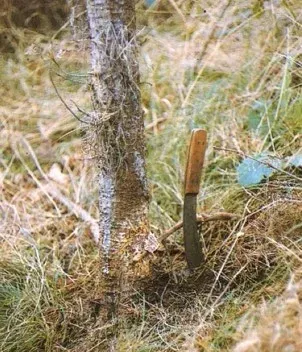
The primary symptom of infection is the emergence of flat, crust-like fungal structures on the tree trunk or branches. These are often difficult to detect in early developmental stages.
Affected bark tissue undergoes discoloration, turning dark or brown. The bark loses its structural integrity and may develop deep, longitudinal cracks as the underlying wood begins to rot.
The tree shows general signs of decline, including premature leaf senescence, reduced shoot growth, and a thinning canopy as parts of the crown begin to wither.
Exudation of resin or gum is a common localized response in fruit trees to the fungal invasion, indicating an active struggle between the plant's immune system and the pathogen.
Over time, the wood becomes brittle and structurally compromised, making branches and trunks highly susceptible to snapping under stress or high winds.
Pathogen
Gloeocystidiellum is a genus of fungi belonging to the order Russulales. These fungi are categorized as wood-decay agents that primarily target lignin and cellulose components of the woody tissue.
The fungus produces thin, resupinate, and waxy or membranous fruit bodies on the surface of bark or wood, which can vary in color from whitish to pale cream.
The mycelium infiltrates the tree through bark fissures, pruning wounds, or damage caused by pests, gradually extending into the vascular system of the host plant.
While the pathogen often exhibits saprotrophic tendencies on decaying wood, it can transition into a parasitic role, colonizing living tissue when the tree's health is compromised.
Spores are dispersed by wind and splashing water, allowing the fungus to colonize adjacent trees and maintain a presence within the environment for several years.
Conditions for development
High humidity and consistent rainfall create the ideal microclimate for the germination and expansion of the fungal mycelium across the bark surface.
Dense plantings or poor tree spacing that limits air circulation trap moisture, significantly increasing the likelihood of successful infection by airborne spores.
Trees that are already under stress due to drought, nutritional deficiencies, or soil compaction are far more susceptible to colonization by this opportunistic fungus.
Any breach in the bark, whether caused by frost cracking, sunscald, or improper pruning cuts, provides a direct entry point for the fungus to establish itself deep in the xylem.
Poor garden sanitation, such as leaving fallen branches or rotting logs on the ground, serves as a reservoir that continuously releases spores into the immediate vicinity.
Why it matters
Gloeocystidiellum causes progressive wood decay that leads to the gradual weakening and eventual death of the host tree if the infection is not intercepted.
Reduced vigor and damaged vascular pathways lead to poor nutrient transport, which inevitably results in decreased yields and low-quality fruit production in orchard settings.
The disease poses a long-term threat to the entire landscape, as spores can readily spread to healthy, vigorous trees if the initial sources of infection remain unmanaged.
Economic damage is substantial, encompassing the loss of valuable specimens, increased costs for maintenance, and the need for frequent chemical protective measures.
In forestry, the presence of these fungi causes significant degrade in timber quality, rendering logs unsuitable for high-grade construction or manufacturing purposes.
Protection
The cornerstone of disease management is rigorous sanitary pruning, which involves the total removal and burning of all infected wood to disrupt the fungal life cycle.
All pruning cuts and accidental bark wounds must be immediately treated with copper-based fungicides or appropriate wound sealants to prevent new spore colonization.
Preventive spraying of trees with copper-based fungicides during dormancy is highly effective in reducing the total spore load and protecting vulnerable bark surfaces.
Maintaining optimal tree vigor through balanced fertilization and adequate irrigation is crucial for bolstering the natural defense mechanisms of the host plants.
- Whitewashing trunks with antiseptic-amended lime solutions.
- Improving canopy ventilation through strategic pruning.
- Removing old stumps that act as long-term fungal reservoirs.
- Conducting regular inspections to identify and treat early symptoms.
Discussion
No discussions yet — be the first.