
Glaziellaceae
Glaziellaceae
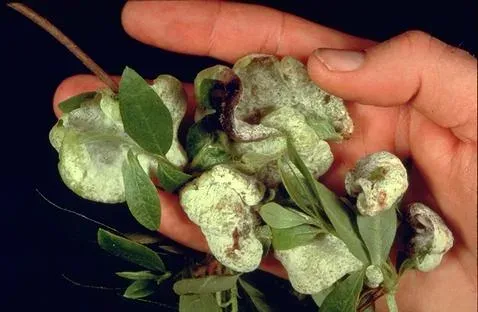
Description
Symptoms
The first external signs of infection include a noticeable reduction in plant growth and stunted vegetative development across the affected areas of the field.
Infected plants often display chlorosis and wilting symptoms, which occur because the compromised root system fails to transport adequate water to the leaves.
A diagnostic examination of the root system often reveals internal deformation and the presence of fungal sporocarps that disrupt the healthy structure of root hairs.
There is a visible difference in the vitality of crops, with affected plants showing smaller leaves and lower biomass compared to unaffected neighboring plants.
In later stages of the disease, the root system may become brittle and discolored, significantly reducing the plant's overall resistance to environmental stress.
Pathogen
Glaziellaceae is a family of fungi belonging to the order Glaziellales, characterized by complex interactions with plant root systems that can lead to pathogenic consequences.
These organisms are primarily recognized as endomycorrhizal fungi, but under specific environmental conditions, they can compromise the metabolic functions of their host plants.
The pathogen utilizes a strategy of colonizing the root tissues, forming distinct structures that draw significant nutrients away from the plant’s normal development channels.
The biological cycle of these fungi involves the production of large sporocarps that persist in the soil, acting as a dormant but highly resilient source of future inoculum.
Research suggests that Glaziellaceae interact with a wide range of host plants, and their pathogenicity depends largely on the balance between the fungus and the plant's natural defense systems.
Conditions for development
Glaziellaceae development is highly dependent on soil pH levels, as these fungi prefer specific acidic environments that are common in many agricultural landscapes.
High moisture levels combined with elevated soil temperatures create optimal conditions for fungal sporulation and the rapid colonization of new root segments.
Compacted soil conditions with poor aeration facilitate the expansion of these fungi, as they tend to outcompete natural antagonistic microorganisms in such environments.
Monocropping practices without proper crop rotation are a major driver for the build-up of this pathogen, leading to increased pressure in subsequent planting cycles.
Environmental conditions in the rhizosphere act as the primary trigger for the fungus to switch from a neutral or beneficial state to an overtly pathogenic one.
Why it matters
The primary economic impact of Glaziellaceae infection is a significant loss in total crop yield due to impaired nutrient and water uptake from the soil.
Plants suffering from this disease show lower harvest quality, making the produce less suitable for market requirements and reducing overall farm profitability.
Increased vulnerability to secondary bacterial and fungal infections is common in plants already stressed by the colonization of their root systems.
The persistent presence of the pathogen in the soil requires intensive and costly remediation strategies to restore the biological balance of the affected land.
Chronic root damage leads to a loss of crop uniformity, which complicates harvesting and requires additional resources for field management.
Protection
Integrated pest management (IPM) strategies, particularly rigorous crop rotation, are essential to break the survival cycle of Glaziellaceae in the soil.
Improving soil health through organic amendments can foster a diverse microbial community that helps suppress the activity of pathogenic fungal populations.
Soil drainage and aeration improvements serve as a mechanical preventative measure to reduce the moisture-rich niches preferred by the fungus.
Selecting resistant crop varieties or cultivars that demonstrate higher tolerance to root-colonizing fungi can minimize the impact of the infection.
Monitoring the soil for early signs of fungal sporocarps allows for localized intervention, preventing the disease from spreading across entire fields.
Discussion
No discussions yet — be the first.