
Geotrichosis
Geotrichum

Description
Symptoms
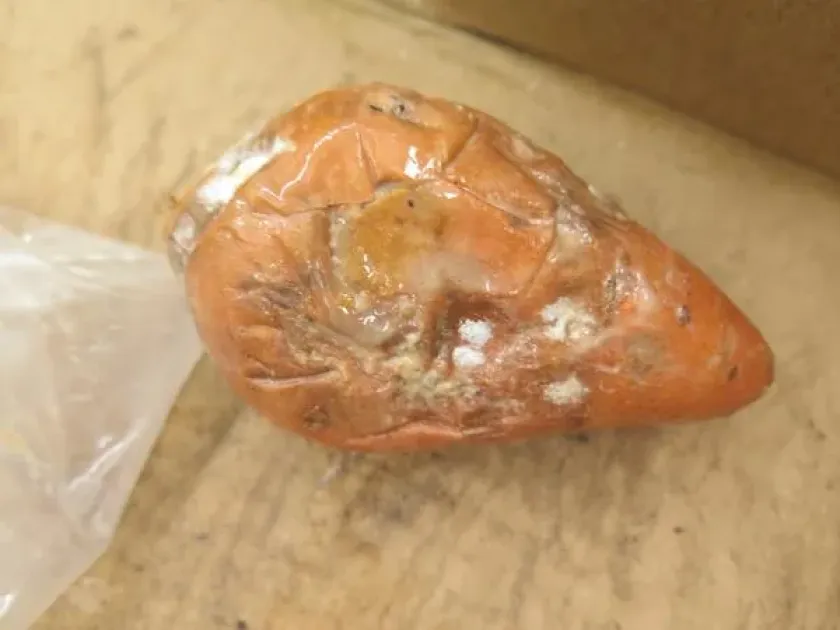
The initial signs of geotrichosis include the appearance of watery, soft spots on fruits or vegetables that rapidly increase in size. These lesions gradually lose their structural integrity and often emit a distinct, somewhat sour or musty odor.
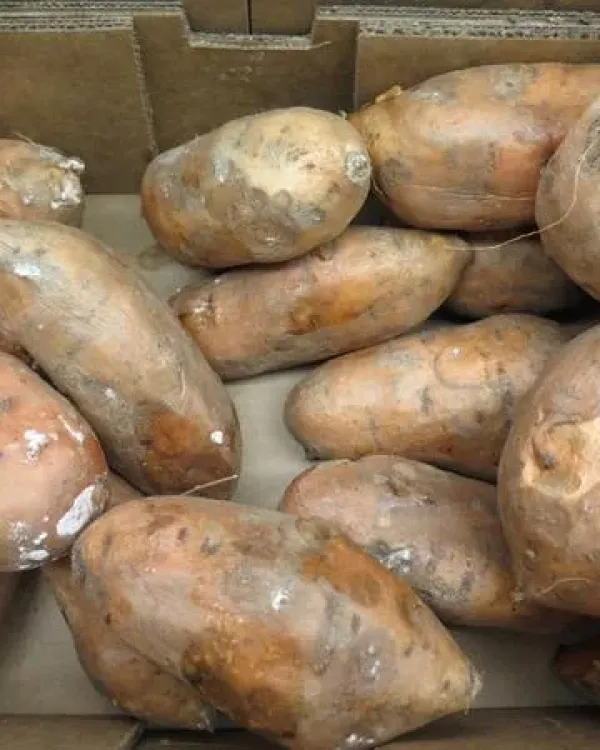
The surface of the affected areas becomes covered with a dense, white or creamy-colored mycelial mat. This growth may appear as a fuzzy coating that adheres tightly to the skin of the fruit or vegetable, eventually masking the original tissue structure.
In root crops such as carrots or beets, the disease manifests as a severe wet rot, turning the internal tissues into a mushy, water-soaked mass. This rapid decomposition often makes it impossible to salvage any portion of the infected root or vegetable.
On succulent fruits like tomatoes, the infection progresses extremely fast, essentially transforming the fruit into a decaying bag of liquid. The infected tissues become highly fragile and sensitive to physical handling, facilitating the spread of spores to healthy produce.
Under prolonged storage conditions, the symptoms of geotrichosis may overlap with other types of soft rots. However, the consistent presence of the white, velvety mycelium and the rapid liquefaction of tissue are definitive diagnostic indicators.
Pathogen
The causal agent of this disease is the microscopic fungus Geotrichum candidum, a member of the fungi imperfecti group. This pathogen exhibits high saprophytic activity and is ubiquitously present in soils worldwide, where it survives on decaying organic matter.
The fungus is capable of developing vigorously in both field conditions and storage facilities. The primary sources of inoculum include infected plant tissues, contaminated soil, and infested storage warehouses where the mycelium can persist for extended periods.
The pathogen is characterized by rapid mycelial growth, typically forming white or creamy, velvety, or powdery colonies. Its life cycle involves asexual reproduction through the formation of arthrospores, which are easily disseminated by air currents, water splashes, and insect vectors.
The biology of the pathogen enables it to utilize a wide spectrum of host substrates for nutrition. Its high enzymatic activity facilitates the rapid degradation of plant cell walls, leading to the characteristic softening of infected tissues.
Unlike many primary pathogens, Geotrichum candidum frequently acts as a secondary invader, colonizing plant tissues that have already been compromised by mechanical injuries or existing infections caused by other microorganisms.
Conditions for development
The development of geotrichosis is favored by high relative humidity (above 85-90%) and moderate temperatures, typically ranging from +20°C to +25°C. The presence of free moisture on the surface of the produce is critical for spore germination.
Disease outbreaks in storage facilities are primarily triggered by inadequate ventilation, which leads to the formation of condensation on the produce. This thin layer of water provides an ideal environment for the fungus to establish itself and penetrate host tissues.
Mechanical injuries sustained during harvesting, sorting, and transport are the most significant factors leading to mass infection. Micro-cracks, bruises, and skin punctures serve as primary entry points for the fungus to colonize the fruit.
Fluctuating temperatures within storage units can induce moisture condensation, which effectively restarts the disease cycle. Even brief periods of improper storage conditions can cause the pathogen to proliferate aggressively within bulk containers.
Soil contaminated with crop residues serves as a permanent reservoir for the fungus. Failure to rotate crops or improper field sanitation ensures that a high load of pathogen propagules remains present for subsequent growing seasons.
Why it matters
The primary economic threat posed by geotrichosis is the massive loss of produce during post-harvest storage and transit. Due to its rapid spread, a single infected item in a storage crate can lead to the spoilage of an entire lot in a very short time.
Produce affected by the pathogen loses not only its visual appeal but also its safety and nutritional value. The resulting mass of rot is entirely unsuitable for processing, consumption, or even animal feed, necessitating total disposal.
Financial losses include the direct cost of discarded goods, as well as the overhead costs associated with intensive sorting and the sanitization of storage infrastructure. Contaminated warehouses may require long periods of dormancy before being used again.
The presence of this fungus significantly reduces the shelf life and transportability of produce, which limits market access and export potential. Buyers generally reject consignments with high levels of fungal spoilage.
In the field, the pathogen can cause poor stand establishment if it infects seeds or emerging seedlings. This often leads to uneven crop distribution and the costly necessity of reseeding affected areas.
Protection
Prevention begins with rigorous sanitation in storage and packing facilities. Regular disinfection of storage rooms, cooling systems, and reusable crates is mandatory to reduce the inoculum load prior to the intake of new crops.
Minimizing mechanical injury during harvesting and post-harvest handling is the most effective strategy to prevent infection. Gentle handling techniques are essential to preserve the integrity of the protective skin of fruits and vegetables.
Maintaining optimal storage conditions—specifically low humidity and stable temperatures—prevents the formation of condensation. Proper ventilation is the single most important tool for suppressing pathogen activity.
Cultural practices, including proper crop rotation and the complete removal of infected plant debris from the field, are vital to managing the pathogen reservoir. Avoid excessive irrigation at the end of the season to prevent promoting disease growth.
While chemical control via fungicides can be used during the growing season, it must be part of a broader integrated pest management program. The selection of resistant cultivars and the use of high-quality, disease-free seed are fundamental components of long-term disease mitigation.
Discussion
No discussions yet — be the first.