
Geosmithia pallida
Geosmithia pallida
Description
Symptoms
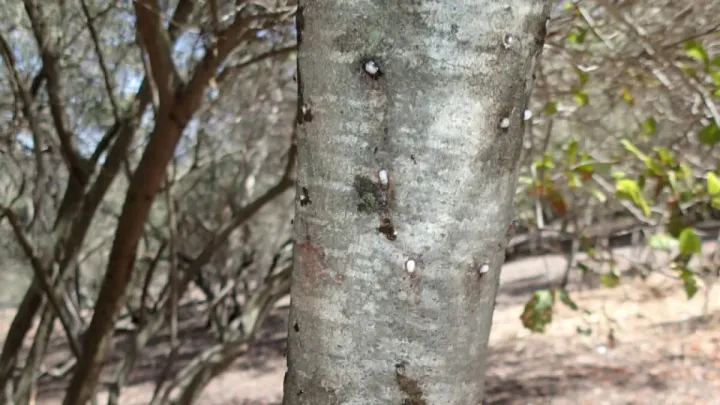
The initial signs of infection include the appearance of localized necrotic lesions on the bark. These lesions usually correlate with the entry holes made by boring insects.
Internal symptoms are characterized by wood discoloration. The affected sapwood often shows brown or dark-stained patches, indicating impaired transport of water and nutrients within the tree.
Peeling back the bark in symptomatic areas often reveals fungal growth or pale mycelial mats. These mats are sites of active conidial production and indicate the extent of the colonization.
Visible decline in the crown, such as premature chlorosis, yellowing of leaves, or foliage wilting, is a common symptom. The tree gradually loses vigor as the vascular system fails.
In advanced stages, the necrosis may girdle the stem or branches, leading to rapid tissue death. The affected parts eventually become brittle and dry, showing signs of severe moisture stress.
Pathogen
Geosmithia pallida is an ascomycete fungus that acts as a pathogen in various woody plants. It is highly associated with wood-boring insects, particularly bark beetles, which serve as its primary vectors.
The fungus colonizes the inner bark, phloem, and cambium tissues. Its life cycle is deeply interconnected with the tunnels excavated by beetles, where the fungus thrives and produces its conidia.
The fungus produces masses of whitish or pale-colored conidia, which give the species its specific name. These spores are easily spread when beetles move from one host tree to another, facilitating the disease cycle.
It is generally considered an opportunistic pathogen. While it can colonize healthy tissue, it most aggressively affects trees that are already suffering from environmental stress or previous insect infestations.
Molecular studies suggest that Geosmithia pallida is part of a complex fungal community that exploits the weakened vascular system of trees to establish its mycelial network.
Conditions for development
Disease development is heavily dependent on the presence of wood-boring beetles. The insects act as both mechanical transport for the spores and physical disruptors of the tree's natural defenses.
Environmental stress, such as prolonged drought, heatwaves, or flooding, makes trees significantly more susceptible. Reduced resin production allows the fungus to establish itself more easily.
Favorable environmental conditions for the fungus include moderate temperatures and high humidity, which support rapid mycelial growth within the galleries and wood tissues.
Poor orchard or forest management, such as failure to remove deadwood or improper pruning practices, increases the inoculum pressure in the area, leading to more frequent infection events.
Mechanical damage caused by machinery or poor pruning provides entry points for the fungus, especially in high-density plantings where insects are already active in the vicinity.
Why it matters
The primary damage is caused by the disruption of the vascular system. As the fungus colonizes the cambium and phloem, it restricts the movement of water and photosynthates, causing the tree to starve.
Necrosis of the bark leads to open wounds that make the tree susceptible to other secondary pathogens. This synergistic effect often accelerates the decline and eventual death of the host.
For fruit and timber trees, this results in significant economic loss. Reduced growth rates, poor fruit quality, and tree mortality are common outcomes in severely affected plantations.
The disease contributes to forest decline, particularly in ecosystems where trees are already stressed by climate change or other biological threats, reducing overall biodiversity and timber value.
If not controlled, the fungus can spread rapidly within a stand. The combination of insect activity and fungal colonization creates a spiral of decay that is difficult to stop without sanitation.
Protection
Integrated Pest Management (IPM) is essential. Maintaining tree health through proper irrigation, fertilization, and site selection is the best way to prevent the disease from taking hold.
Managing beetle populations is critical. The use of pheromone traps and targeted insecticide applications can reduce the number of insect vectors and, consequently, the spread of the fungus.
Sanitation is a cornerstone of control. All symptomatic branches and dead trees must be removed and destroyed by burning or chipping to eliminate the source of fungal spores.
Preventative fungicidal sprays can be applied during the peak flight season of the vector beetles to protect healthy trees from infection, especially in high-risk areas.
- Regular inspection of bark for signs of beetle holes and necrotic lesions.
- Immediate removal and disposal of infested wood.
- Disinfection of pruning tools to prevent cross-contamination.
Discussion
No discussions yet — be the first.