
Geastrum minimum
Geastrum minimum
Description
Pathogen
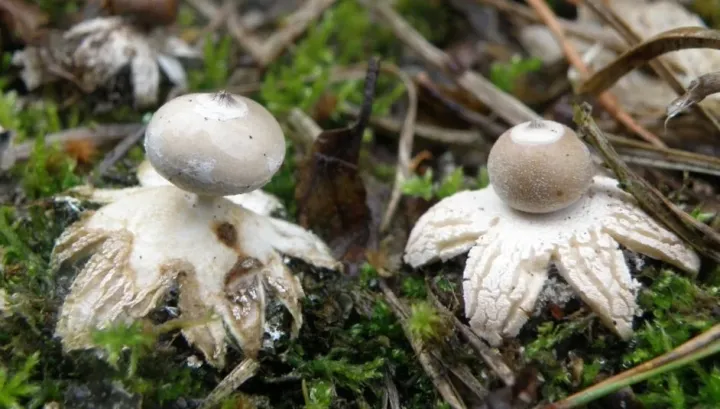
Geastrum minimum, commonly known as the miniature earthstar, is a species of fungus in the Geastraceae family. It is not a plant pathogen and does not cause any diseases in crops or garden plants.
This fungus is a saprotroph, meaning it derives its nutrients from decaying organic matter such as leaf litter, twigs, and humus in the soil. It plays a crucial role in the ecosystem by breaking down complex organic materials into simpler substances.
Structurally, it starts as a small, globose body that eventually splits open to reveal a star-shaped structure, releasing spores into the air. This reproductive cycle is completely independent of the life cycles of agricultural plants.
Scientific classification confirms that this species lacks the physiological machinery to penetrate living plant tissue. Therefore, its presence in fields or gardens should not be interpreted as an indicator of plant infection.
It is important for agronomists to distinguish between saprotrophic fungi like the earthstar and true phytopathogenic fungi. Misidentifying this organism as a disease agent can lead to unnecessary and potentially harmful use of fungicides.
Conditions for development
The development of Geastrum minimum is governed by soil moisture, temperature, and the availability of organic substrates. It thrives in well-drained, porous soils, often appearing in open areas with adequate sunlight exposure.
Favorable conditions include temperate weather with sufficient precipitation, which triggers the formation of its distinctive fruiting bodies. During periods of drought, the fungus remains dormant as mycelium deep within the soil.
This species is not dependent on crop cycles or agricultural practices. It is a natural dweller of the soil environment that colonizes areas where organic decomposition is occurring, regardless of cultivation intensity.
The presence of the fungus does not indicate any lack of soil health or nutrient deficiency. Instead, it reflects the natural biodiversity of the soil, which is a sign of a functioning ecosystem.
There are no specific environmental management techniques required to limit its presence, as it does not compete with cultivated crops for nutrients or space.
Why it matters
Geastrum minimum poses absolutely no harm to agricultural production. It does not produce phytotoxins or pathogenic spores that could compromise crop health or yield quality.
In terms of farm management, there is no need for protective measures or chemical control. Attempting to eradicate saprotrophic fungi disrupts the beneficial microbial balance of the soil and should be strictly avoided.
The fungus has no economic impact on crop productivity. Its role is strictly beneficial within the soil food web, contributing to the recycling of nutrients that eventually benefit subsequent crops.
Agronomic assessments should clearly differentiate between this benign fungus and actual threats to plants. Recognizing the miniature earthstar as a neutral soil inhabitant prevents wasted spending on ineffective control measures.
In summary, Geastrum minimum is a harmless organism that serves as an indicator of organic soil enrichment. It requires no intervention and represents no risk to the health or safety of cultivated vegetation.
Discussion
No discussions yet — be the first.