
Gautieria morchelliformis
Gautieria morchelliformis
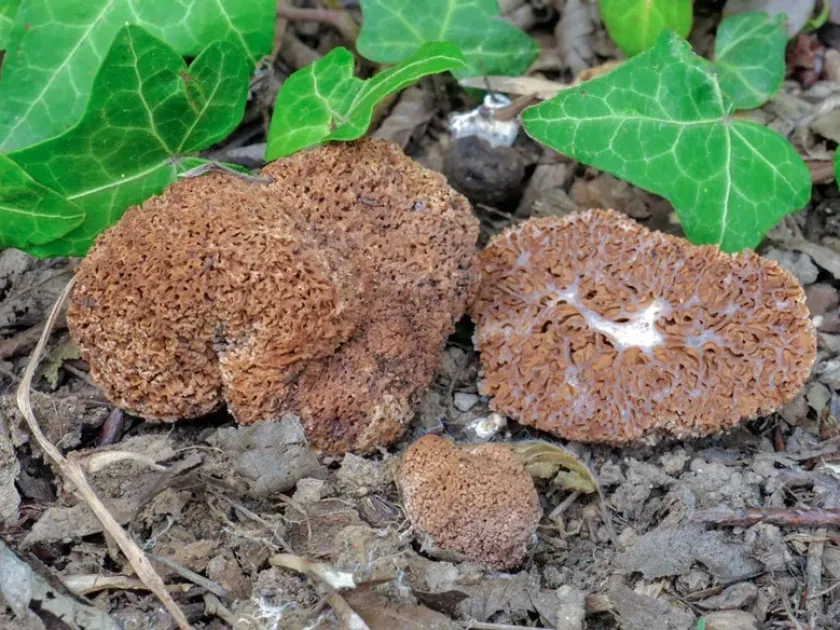
Description
Pathogen
Gautieria morchelliformis is a species of sequestrate fungus in the family Gomphaceae. Contrary to some misconceptions, it is not a plant disease, nor does it act as a pathogen for agricultural crops or forest trees.
This organism functions primarily as a saprotroph or a mycorrhizal partner. It lacks the biological mechanisms required to infect living plant tissue or cause diseases such as root rot, wilt, or necrosis.
The fungus is characterized by subterranean fruiting bodies that grow within the organic layer of the soil. Its interaction with plants is symbiotic, facilitating nutrient exchange rather than parasitic consumption of plant resources.
In agronomy and phytopathology, Gautieria morchelliformis is recognized as a neutral or beneficial component of the soil mycobiota. It poses no threat to crop health and does not necessitate any intervention or control strategies.
As it does not cause any biological damage to plant anatomy, it is not classified as a pest or disease vector. Its presence is typically associated with high soil organic content and well-developed forest ecosystems.
Conditions for development
The development of this fungus is strictly tied to forest habitats where soil composition includes thick layers of organic leaf litter. High moisture levels in the soil are essential for the survival and expansion of the mycelium.
Environmental requirements include moderate temperatures and good soil porosity. The fungus thrives in well-aerated soils where gas exchange is sufficient to support the metabolism of the subterranean fungal network.
Spore dispersal relies heavily on mycophagy by forest mammals, which helps propagate the species across diverse woodland environments. This natural cycle is vital for maintaining the population within its native habitat.
Soil disturbances caused by industrial agriculture, such as heavy tilling or the application of fungicides, generally inhibit the growth of this species, as it is highly sensitive to changes in its microenvironment.
Its existence as a symbiont provides a mutually beneficial relationship with trees, enhancing the nutrient uptake capability of the root systems in natural environments rather than acting as a detrimental fungal agent.
Discussion
No discussions yet — be the first.