
Gasterellaceae
Gasterellaceae
Description
Symptoms
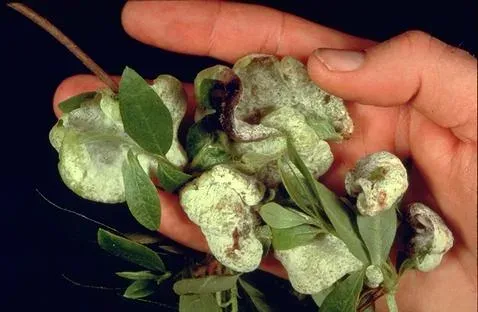
The primary symptom of a Gasterellaceae infection includes the formation of abnormal growths, galls, or tissue deformations on stems, leaves, and reproductive organs.
Affected tissues often exhibit distinct color changes, turning brown or yellowish as the internal cellular structure breaks down and chlorophyll is depleted.
During periods of high humidity, it is common to observe fungal spore masses or necrotic spots emerging from the deformed areas of the plant.
Infected plants typically show stunted growth, reduced vigor, and premature leaf drop, which significantly impacts the overall health of the crop.
In cases where reproductive parts are targeted, the disease results in deformed seeds or fruit, making the final produce unsuitable for commercial use.
Pathogen
Gasterellaceae is a family of basidiomycete fungi that, in an agricultural context, are classified as specific plant pathogens responsible for certain fungal diseases.
The disease is caused by microscopic fungi that lead a parasitic life cycle, feeding on the host plant's tissues and disrupting its normal physiological functions.
A primary feature of this pathogen is its spore-forming mechanism, allowing the fungus to survive in various environments and spread efficiently throughout the fields.
Biologically, these fungi are characterized by the development of fruiting bodies within plant tissues, which distinguishes them from many other common plant pathogens.
The classification of this family is subject to ongoing mycological research due to the unique morphological characteristics of these fungi compared to other Gasteromycetes.
Conditions for development
High levels of air and soil moisture are essential environmental triggers that facilitate the rapid germination of spores and the spread of Gasterellaceae infections.
Pathogen dissemination across agricultural fields occurs primarily through water splashes, wind currents, and mechanical contact via farm equipment or insect vectors.
Optimal temperatures for the infection process usually range within moderate levels, typical for the spring and early autumn growing seasons.
Poor field aeration, often caused by overly dense planting patterns, creates the microclimate necessary for the pathogen to thrive and establish persistent colonies.
Leftover crop debris serves as a critical reservoir for the pathogen, allowing it to overwinter and reinfect new crops at the start of the next planting cycle.
Why it matters
Gasterellaceae infections cause significant economic losses by reducing overall yield and severely diminishing the quality of harvested agricultural products.
The resulting damage, such as malformed fruit or rotted tissues, renders the produce unmarketable and susceptible to secondary infection during storage.
Persistent presence of the fungus can lead to localized plant mortality, creating gaps in fields and resulting in uneven canopy development.
The infection puts a heavy strain on the plant's resources, making it more vulnerable to external stresses such as drought, extreme temperature, and competing pests.
Managing this disease requires significant investment in agricultural interventions, including chemical protection and long-term soil management strategies.
Protection
The most effective strategy for preventing Gasterellaceae is strict adherence to crop rotation, which breaks the pathogen's life cycle in the soil.
Integrated pest management, including the use of systemic fungicides, is necessary to suppress the growth of mycelium within the plant structures.
Timely identification and removal of infected plant material are crucial to reducing the total inoculum load and limiting the spread to healthy areas of the field.
Utilizing resistant cultivars and hybrids is recommended as a sustainable way to minimize damage without relying solely on chemical treatments.
- Conduct frequent field inspections for early symptom identification.
- Improve field aeration through proper plant spacing and thinning.
- Practice deep autumn plowing to bury infested plant debris.
- Ensure balanced nutrition to boost plant immunity against fungal attacks.
Discussion
No discussions yet — be the first.