
Fusicolla merismoides
Fusicolla merismoides
Description
Symptoms
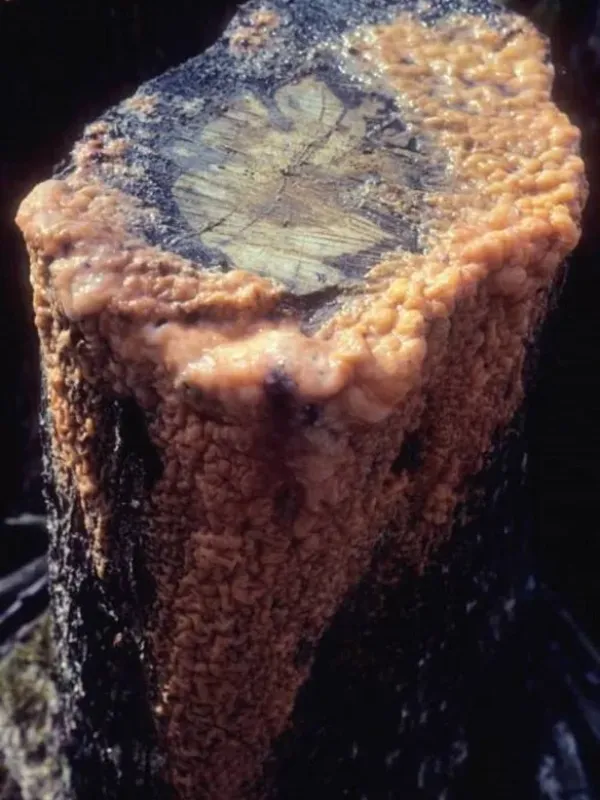
The primary symptom is the appearance of distinct coatings or pustules on the surface of affected plant organs. These structures typically display pink, salmon, or creamy hues, representing massive spore formation.
Initial stages are marked by tissue darkening, loss of turgor, and gradual wilting of the affected parts. Woody crops are frequently infected via mechanical wounds, pruning cuts, or frost cracks where the fungus establishes colonies.
In cases affecting the root system or root neck, tissues begin to rot and often emit a characteristic foul odor. Under high humidity, a loose mycelial mat becomes visible on the surface of the lesions.
Progressive infection leads to necrosis that can cover significant areas. If the pathogen penetrates the vascular system, the plant exhibits generalized growth suppression, chlorosis, and eventual death.
The visual appearance of the fungal colonies is often described as "merismoid," meaning they merge into ridge-like or crusty formations, which is a key diagnostic feature of this specific species.
Pathogen
The causative agent of the disease is the microscopic ascomycetous fungus Fusicolla merismoides, previously categorized within the Fusarium genus. It acts as an opportunistic pathogen that can survive as a saprotroph on plant debris or transition to parasitizing living plant tissues.
This fungus belongs to the Sordariomycetes class. Its mycelium thrives under high humidity conditions, forming characteristic conidial structures that disseminate rapidly through wind, rain splashes, and insect vectors.
The fungal life cycle is dominated by asexual reproduction through conidia, which ensure quick colonization of new areas during the growing season. The species exhibits high biological plasticity, allowing it to survive across a wide range of temperatures.
This pathogen is often found as part of complex fungal infections, which complicates early diagnosis. It utilizes enzymatic degradation to break down plant cell walls, facilitating tissue colonization.
The presence of Fusicolla merismoides in an agroecosystem usually indicates an imbalance in microbial flora or persistent excessive moisture in the root zone, which often triggers the pathogen's development.
Conditions for development
Excessive humidity in the air or soil is the primary driver for Fusicolla merismoides development. The pathogen becomes particularly aggressive during prolonged rainy seasons or when irrigation management in greenhouses is poor.
Growth is optimal within a moderate temperature range, though spores remain viable under a wide variety of climatic fluctuations. High plant density restricts airflow and increases the risk of local infection outbreaks.
The presence of fresh mechanical wounds, such as pruning sites or insect damage, provides easy entry for the infection. The fungus readily targets plants with compromised immune systems.
Unremoved crop residues serve as the primary reservoir for the fungus during winter. Contaminated soil acts as a secondary source of inoculum for subsequent plantings.
Improper cultivation practices, specifically excessive nitrogen fertilization, result in succulent tissues that are more susceptible to pathogen penetration.
Why it matters
The disease significantly reduces crop quality and the overall longevity of perennial plants. Infected fruits or root vegetables become unsuitable for storage due to the rapid development of secondary storage rots.
In young seedlings and nursery stock, the pathogen can cause mass mortality, leading to thin plant stands and increasing overall production costs for the grower.
Chronic infection results in yield losses ranging from 15% to 30%, depending on the intensity of the infestation. Affected plants become less resilient to secondary stressors, such as drought or extreme temperatures.
Development of the fungus in storage facilities can lead to massive losses of harvested produce within a short period. Due to its wide host range, it represents a persistent challenge for crop rotation planning.
Severe infestations can lead to total loss of aesthetic or commercial value in susceptible ornamental and food crops.
Protection
The cornerstone of management is strict adherence to sanitary practices: removing and destroying infected plant material and disinfecting tools after working with diseased plants to minimize the inoculum load.
Minimizing mechanical injury and prompt treatment of pruning wounds with fungicidal pastes or sealants are critical. Care for woody plants should include proper treatment of bark cracks.
Implementing effective crop rotation helps limit the accumulation of the fungus in the soil. Maintaining proper water management is essential to prevent moisture stagnation in the root zone.
Chemical control involves the use of preventive fungicides during high-risk infection periods. Furthermore, biological control agents, specifically those based on Trichoderma, are effective in reducing soil-borne pathogen populations.
- Spatial isolation of infected planting areas.
- Balanced mineral nutrition to strengthen plant immunity.
- Consistent monitoring of crops during humid periods.
Discussion
No discussions yet — be the first.