
Fusarium wilt
Fusarium venenatum
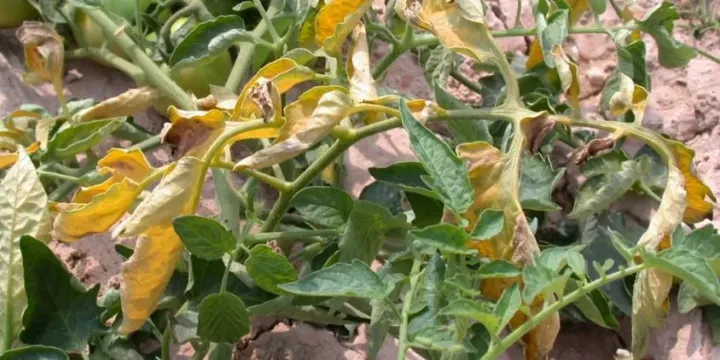
Description
Symptoms
Initial symptoms typically involve the wilting of foliage, often starting with the lower leaves during the hottest part of the day. The wilting may appear asymmetrical, affecting only one side of the plant.
A definitive diagnostic sign is the internal browning or discoloration of the vascular system. If you slice the stem or the crown, you will see a darkened ring, indicating blocked transport vessels.
The root system often exhibits signs of decay, appearing brown, mushy, or completely necrotic. This loss of root mass severely impairs the plant's ability to uptake vital resources.
In humid conditions, visible fungal growth, usually white or pale pink, may emerge on the stem's surface near the soil line. This represents the sporulation stage of the pathogen.
- Wilting and chlorosis of lower leaves.
- Browning of the vascular bundle.
- Root rot and root system decline.
- Stunted plant development.
- Surface sporulation on the stem base.
Pathogen
Fusarium wilt is a devastating plant disease caused by various species within the Fusarium genus. The species Fusarium venenatum acts as a soil-borne pathogen capable of surviving in organic debris for extended periods.
The fungus produces resilient structures known as chlamydospores, allowing it to persist in the soil even in the absence of a host plant. It primarily infiltrates the plant through the root system, specifically targeting the vascular tissues.
Once inside, the mycelium colonizes the xylem, creating obstructions that prevent the upward movement of water and minerals. This vascular disruption is the primary mechanism of plant collapse.
The pathogen secretes enzymes and toxic metabolites during its colonization phase, which degrade cell walls and weaken the plant's overall defense mechanisms.
Environmental adaptability is a key biological trait of this fungus, enabling it to thrive across a wide range of agricultural soil types and host plants.
Conditions for development
High temperatures are a major driver for disease progression. Optimal growth of the fungus occurs in the range of 20°C to 28°C, making warm growing seasons particularly high-risk.
Excessive soil moisture, poor drainage, and over-irrigation create the ideal microclimate for fungal infection. Waterlogged soils inhibit root respiration and exacerbate the damage caused by the fungus.
Monocropping is a primary contributor to the build-up of the pathogen in the soil. Repeating the same susceptible crop over several years leads to a massive accumulation of infective propagules.
Mechanical injuries to the root zone caused by farming machinery or soil-borne pests like nematodes provide easy entry points for the fungal mycelium.
Low potassium levels and high soil acidity can also predispose plants to infection, as these factors compromise the plant's natural immune system and structural integrity.
Why it matters
The economic impact of Fusarium wilt is significant, often resulting in total crop failure in susceptible fields. It directly leads to the premature death of the plant.
Mycotoxin contamination is a severe hidden risk associated with Fusarium species. These toxins can enter the food chain, posing health risks to humans and livestock if affected crops are consumed.
Yield quality is severely degraded, as surviving plants produce smaller, poorly developed fruits and seeds. This leads to substantial financial losses for growers and reduced marketability.
The longevity of the pathogen in the soil makes affected land unusable for susceptible crops for several years. This forces farmers to change their entire production plan.
The cost of intensive fungicide applications, soil sterilization, and land management adds significant overhead to agricultural production budgets.
Protection
The most effective management approach is the implementation of a long-term crop rotation cycle. Avoiding susceptible crops for at least 4-5 years helps reduce the soil inoculum pressure.
Using disease-resistant varieties is the first line of defense. Selecting certified, high-quality seeds that have been pre-treated with systemic fungicides prevents early-stage infection.
Proper soil management, including maintaining optimal pH levels and improving drainage, is crucial. Removing and destroying infected plant debris immediately prevents the spread of spores to healthy areas.
Biocontrol agents, specifically Trichoderma species, are effective in suppressing the growth of Fusarium by colonizing the root zone and outcompeting the pathogen for nutrients.
Integrated Pest Management (IPM) should be employed to control soil insects, thereby reducing the mechanical damage that often precedes fungal infection.
Discussion
No discussions yet — be the first.